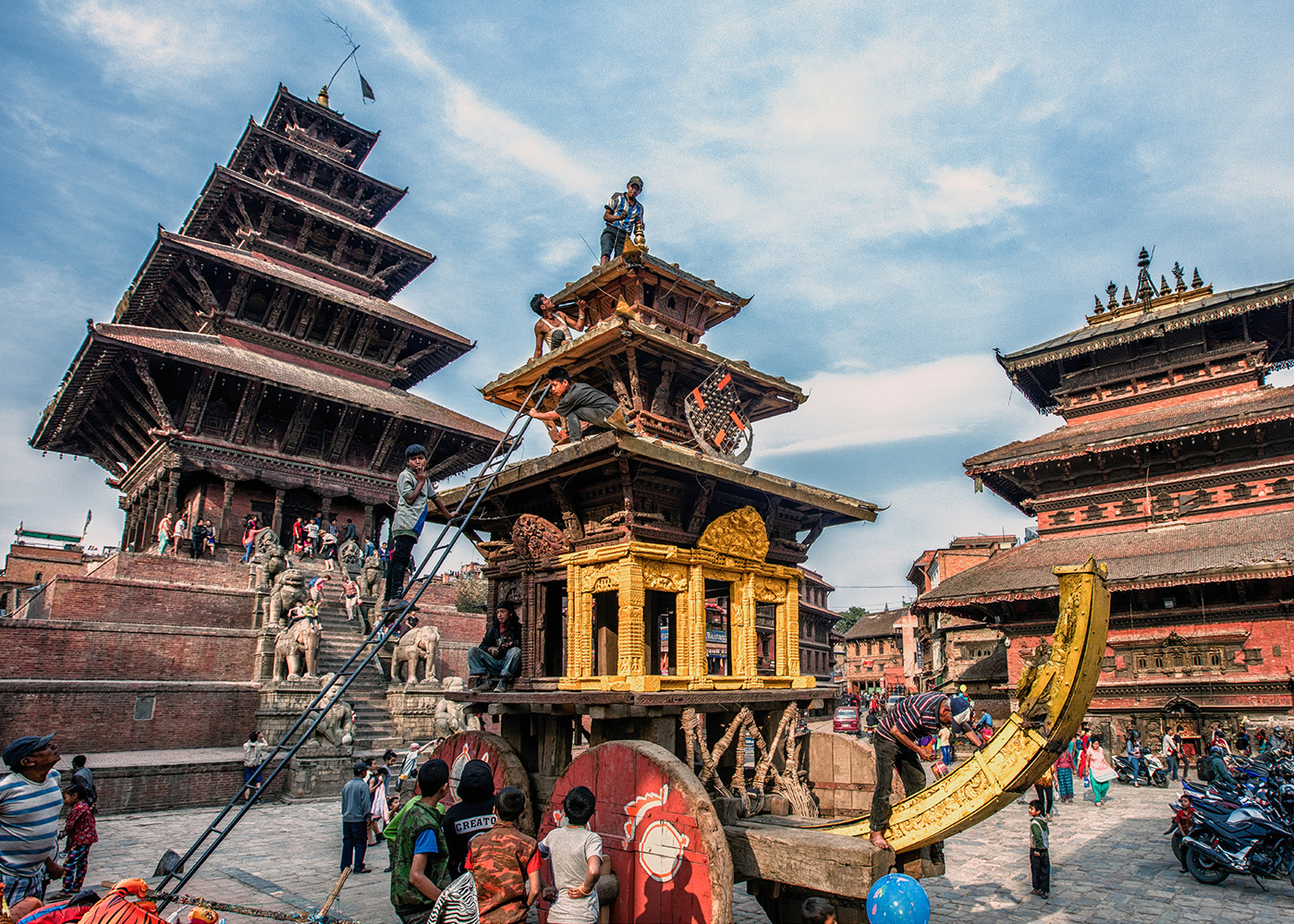
Experience the perfect blend of culture, spirituality, and wildlife on this 9 Nights 10 Days Nepal tour covering Kathmandu, Pokhara, Chitwan, and Lumbini. This carefully designed itinerary offers a complete journey through Nepal’s medieval heritage, breathtaking landscapes, sacred Buddhist pilgrimage sites, and thrilling jungle adventures.
This Nepal holiday package is ideal for travelers seeking UNESCO World Heritage Sites, Himalayan views, peaceful lakes, and exotic wildlife encounters — all in one unforgettable trip.
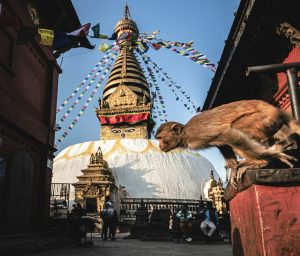
Your journey begins in Kathmandu, the cultural heart of Nepal. Discover ancient temples, sacred stupas, and medieval architecture that reflect Nepal’s rich history.
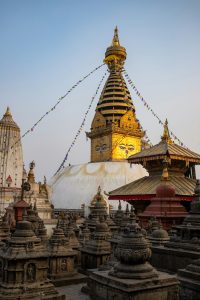
One of Nepal’s most famous UNESCO World Heritage Sites, Swayambhunath is sacred to both Hindus and Buddhists. Perched atop a hill, it offers panoramic views of Kathmandu Valley and a deeply spiritual atmosphere.
The largest Tibetan Buddhist stupa in Nepal, Boudhanath is a captivating pilgrimage site. The peaceful ambiance, fluttering prayer flags, and chanting monks create a spiritually rejuvenating experience.
Visit Namo Buddha, one of the most sacred Buddhist sites in Nepal. Surrounded by serene hills, this important pilgrimage destination is known for its deep spiritual significance.

After Kathmandu, drive to Pokhara — Nepal’s most picturesque city, known for its tranquil lakes and stunning mountain backdrop.
Enjoy a peaceful boat ride on Phewa Lake with reflections of the Annapurna range shimmering in the water.
A quieter alternative to Phewa, Begnas Lake offers natural beauty and serenity.
Explore this fascinating limestone cave filled with natural rock formations.
Witness the dramatic waterfall that disappears into an underground tunnel.
Marvel at the deep gorge carved by the Seti River, a natural wonder of Pokhara.
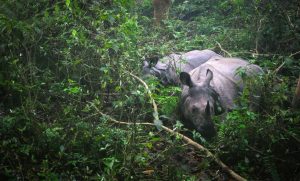
Next, travel to Chitwan for an exciting jungle adventure in Nepal’s most famous wildlife reserve.
A UNESCO World Heritage Site, Chitwan National Park is home to endangered species including:
One-horned rhinoceros
Royal Bengal Tiger
Sloth bear
Wild elephants
Exotic bird species
Enjoy jeep safaris, canoe rides, bird watching, and cultural Tharu village experiences.
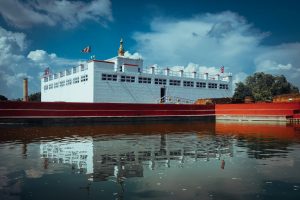
Conclude your journey in Lumbini, the sacred birthplace of Siddhartha Gautama.
Visit the holy gardens, monasteries built by different countries, and the Maya Devi Temple marking the exact birthplace of Buddha. Lumbini is a peaceful pilgrimage destination attracting visitors from around the world.
Explore multiple UNESCO World Heritage Sites
Experience Nepal’s cultural and spiritual heritage
Enjoy Himalayan views in Pokhara
Witness rare wildlife in Chitwan
Visit Lumbini, the birthplace of Buddha
Perfect combination of culture, nature, and adventure
Discover the cultural treasures, natural beauty, and spiritual landmarks of Nepal in one comprehensive itinerary. This Kathmandu, Pokhara, Chitwan, and Lumbini tour promises an enriching and unforgettable travel experience.
Outline Itinerary
Price Details.
Please make a booking through the booking section of this webpage or alternatively you can email us your requirements at ehtours@explorehimalayatravel.com and we will revert to you shortly thereafter.
Detail Itinerary.
Upon arrival at the airport you will be welcomed by our office representatives who will then transfer you to your hotel in Kathmandu.
Rest of the day at leisure
Perched atop a hill west of Kathmandu, Swayambhunath is one of Nepal’s most sacred and iconic Buddhist sites. Dating back to the 5th century A.D., this ancient stupa is among the oldest religious complexes in the country.
The magnificent white dome represents the universe, while the gilded spire symbolizes enlightenment. The all-seeing eyes of Buddha painted on all four sides of the stupa represent wisdom and compassion, giving the impression that Buddha is watching over all beings.
The complex includes numerous shrines, temples, and monasteries – some dating back to the Licchavi period – along with a Tibetan monastery, museum, and library. Visitors can reach the main platform via a steep stairway of 365 steps from the east or by road leading to the southwest entrance. From the top, enjoy panoramic views of the Kathmandu Valley.
Located about 11 km from Kathmandu city center, Boudhanath is one of the largest and holiest Buddhist stupas in Nepal. The massive mandala-shaped structure stands on an octagonal base and features the iconic Buddha eyes facing the four cardinal directions, symbolizing awareness and compassion.
The unique symbol between the eyes represents the Nepali numeral “1,” signifying unity. The stupa is believed to have been built by King Man Deva in the 5th century. Surrounding the base are prayer wheels inscribed with the mantra Om Mani Padme Hum, and a brick wall inset with 108 images of meditating Buddhas.
Often referred to as “Little Tibet,” Boudhanath is the center of Tibetan Buddhism in Nepal. The area is surrounded by monasteries, traditional Tibetan homes, and shops, offering visitors a chance to observe authentic Tibetan culture and daily rituals. Boudhanath is also recognized as a UNESCO World Heritage Site.
Enjoy the remainder of the day at your own pace. You may relax at your hotel, explore local markets, or discover nearby cafés and cultural spots.
Namo Buddha – Thrangu Tashi Yangtse Monastery
Namo Buddha is one of the most sacred Buddhist sites in the Kathmandu Valley. According to Jataka tales, this is the place where, in a distant past, a compassionate Bodhisattva offered his own flesh to a starving tigress and her five cubs, demonstrating the ultimate act of selflessness and compassion. This inspiring story is commemorated every year during the Namo Buddha Festival, held in the month of Baisakh (April/May).
Located about 40 km southeast of Kathmandu in the Kavre District, Namo Buddha offers serene surroundings, panoramic hill views, and a peaceful spiritual atmosphere.
Direct Drive to Namo Buddha:
Drive from Kathmandu (approx. 1.5 hours) to Namo Buddha, spend 1–1.5 hours sightseeing at the monastery, and return to Kathmandu (approx. 1.5 hours).
Hike from Panauti to Namo Buddha:
Begin early with a drive to Panauti (approx. 1.5 hours), then enjoy a scenic 3.5-hour hike through hills and villages to reach Namo Buddha. After sightseeing at the monastery, return to Kathmandu by vehicle (approx. 1.5 hours).
Spend the remainder of your day at your own pace – relax at your hotel, explore local markets, or enjoy nearby cafés and cultural attractions.
Depart from Kathmandu and enjoy a scenic road journey to Pokhara via the Prithvi Highway, covering approximately 200 km. Along the way, admire the banks of the Trishuli River, traditional villages, cultivated fields, and stunning Himalayan vistas. Upon arrival in Pokhara, transfer to your hotel and settle in.
Phewa Lake, the second largest lake in Nepal, is Pokhara’s most popular recreational spot. Measuring roughly 1.5 km by 4 km, it offers the perfect setting for a relaxing boat ride. Travelers can row themselves or hire a boatman to explore the serene waters.
At the center of the lake lies a small island with a temple dedicated to Barahi, where devotees often boat across to offer prayers. Boats can be rented on an hourly basis or for a full day, making it an ideal activity to soak in the tranquil scenery and reflections of the surrounding hills and mountains.
Nestled at the foothills of the majestic Annapurna range, Pokhara is a scenic paradise of lakes, rivers, and lush forests. Known as Nepal’s adventure capital, it offers a perfect escape from the bustling life of Kathmandu. The city is famous for activities like paragliding, trekking, mountain biking, zip-lining, bungee jumping, rafting, kayaking, and ultra-light flights.
Pokhara is unique in offering breathtaking views of 8,000-meter Himalayan peaks from just 900–1,000 meters above sea level—truly a once-in-a-lifetime experience. As travelers often say, “You haven’t seen Nepal until you’ve visited Pokhara.”
Davis Falls – A dramatic waterfall that disappears into an underground tunnel.
Mahendra Cave – A fascinating limestone cave filled with natural rock formations.
Bindabasini Temple – One of Pokhara’s oldest Hindu temples, dedicated to Goddess Durga.
Bat Cave (Chamero Cave) – Home to thousands of bats and remarkable rock formations.
Gupteshwor Cave – A sacred cave shrine located near Davis Falls.
Seti River Gorge – A deep gorge carved by the Seti River, a natural wonder of Pokhara.
International Mountain Museum – The only museum dedicated to mountains, mountaineering, and Himalayan culture.
This sightseeing tour combines natural beauty, spiritual sites, and adventure, giving travelers a complete experience of Pokhara’s charm and attractions.
Depart from Pokhara and enjoy a scenic drive via the Prithvi Highway to Chitwan. The route passes through lush valleys, rivers, and local villages, providing a glimpse of rural Nepalese life. Upon arrival at Tigerland Safari Resort via Narayan Ghat (22 km from Hakim Chowk, Bharatpur), guests will receive a short briefing on the day’s program and facilities before checking into their rooms.
Enjoy a freshly prepared lunch at the resort’s central dining area.
Embark on an exhilarating elephant-back safari through the lush jungle of Chitwan National Park. Spot rare wildlife such as:
One-horned rhinoceros
Royal Bengal tiger (if lucky)
Leopards
Sloth bears
Deer and wild boars
Monkeys and bison
The safari lasts 2–3 hours and offers a close encounter with Chitwan’s diverse fauna under the guidance of experienced naturalists.
Choose between:
Wildlife Presentation: A jungle expert provides insights into the history, ecology, and wildlife of Chitwan National Park. Guests are encouraged to ask questions.
Tharu Cultural Dance: Local Tharu villagers perform traditional dances and showcase age-old skills and customs.
Return to the central dining hall for a delicious dinner and overnight stay at the resort.
Start the day with an early wake-up call followed by tea or coffee, then set out for bird watching. Chitwan National Park is home to over 519 bird species, with 276 recorded in the resort’s area. Experienced guides will help identify and point out notable species, making it a treat for bird enthusiasts and nature lovers.
Return to the resort for a hearty breakfast to fuel the day’s activities.
Visit the elephant stables for an educational briefing about these majestic animals. During the summer months, guests can participate in elephant bathing in the river, a fun and interactive experience. (Note: During the colder season, elephants are not forced to bathe, as they enjoy water voluntarily.)
Enjoy a freshly prepared meal at the resort’s dining hall.
Drive by jeep to Kasara, one of the park’s entrances, for a guided nature walk through the forest. The walk concludes at the Gharial Breeding Center, an alligator hatchery founded by the Frankfurt Zoological Society, where a short briefing about the project is provided.
Next, embark on a peaceful canoe ride along the Rapti River in a traditional dug-out canoe. Glide silently through the waters to observe aquatic birds, crocodiles, and animals along the riverbanks – a unique opportunity to experience the park’s wildlife up close.
Guests can choose between:
Tharu Cultural Dance: Local Tharu villagers showcase traditional dances, music, and customs.
Wildlife Presentation: A jungle expert shares in-depth information about the history, wildlife, and ecology of Chitwan National Park. Guests are encouraged to ask questions.
Conclude the day with a delicious BBQ dinner at the resort’s dining hall and overnight stay at Chitwan.
After breakfast at the resort, depart Chitwan and drive to Lumbini via the East-West Highway. The journey covers approximately 5 hours, passing through scenic rural landscapes and small towns along the way.
Lumbini, located in the Rupandehi district of southwestern Nepal, is the sacred birthplace of Siddhartha Gautam (Lord Buddha). According to Buddhist tradition, immediately after his birth, the infant Prince Siddhartha took his first seven steps. His mother, Queen Maya Devi, gave birth while traveling to her maternal home in Devadaha on the full moon day of Baisakh (around 623 BCE).
Today, Lumbini is a major pilgrimage destination for Buddhists worldwide and is listed as a UNESCO World Heritage Site. The Lumbini Master Plan, designed by Japanese architect Kenzo Tange, divides the area into three main zones:
Sacred Garden – The heart of Lumbini, home to the Maya Devi Temple marking Buddha’s exact birthplace.
Monastic Zone – Monasteries built by different countries, showcasing Buddhist architecture and spiritual practices.
Lumbini Village – Accommodation, restaurants, and facilities for visitors.
Spend the remainder of the day relaxing at your hotel, exploring the surroundings, or visiting nearby local markets at your own.
The Sacred Garden is the spiritual heart of Lumbini and home to several important monuments:
At the center of the Sacred Garden lies the Maya Devi Temple, which marks the exact birthplace of Siddhartha Gautam (Lord Buddha). The temple complex reflects multiple layers of construction over the centuries. Inside, visitors can view the foundations of the early Maya Devi Temple dating back to the 3rd century BCE, along with the marker stone excavated in 1996 AD that identifies the precise birth spot of Buddha.
Nearby stands the Ashokan Pillar, erected by Emperor Ashoka to commemorate the 20th year of his coronation, with an inscription confirming that Buddha was born at this site. Archaeological remains of ancient stupas and monasteries are also visible throughout the Sacred Garden.
The Monastic Zone is divided into eastern and western lanes, showcasing monasteries built by Buddhist communities from around the world.
Thai Monastery
Mahamaya Bishwa-Zhanti Buddha Bihar (Maha Bodhi Society, India)
Buddha Dharmakar Sabha (Buddhist Society of West Bengal, India)
Burmese Monastery (Government of Myanmar)
Lankan Monastery (Government of Sri Lanka / Ceylon)
Bhikshuni Sangha (International Gautami Nun Society)
Nepal Vipassana Centre
Chinese Monastery
Vietnamese Monastery
Korean Monastery
Lotus Stupa (German Tara Foundation)
Zokayo Temple (Japan)
Dharmodaya Sabha
Cambodian Monastery
Visitors can explore the diverse architectural styles, spiritual practices, and cultural traditions represented in these international monasteries, making Lumbini a truly global center of Buddhist pilgrimage.
Return to your hotel in Lumbini for an overnight stay.
After breakfast, you have two options to return to Kathmandu:
By Road:
Drive via the East-West Highway back to Kathmandu. The journey covers scenic landscapes and rural towns and takes approximately 8–9 hours under normal road conditions.
By Air:
Drive from your hotel to Bharatpur Airport (approx. 1 hour) and take a short flight back to Kathmandu (approx. 35 minutes), offering a quicker and more comfortable return option.
Spend the remainder of your day relaxing at your hotel, exploring local markets, or enjoying Kathmandu at your own pace.