A Complete Guide to Nepal’s National Parks and Wildlife
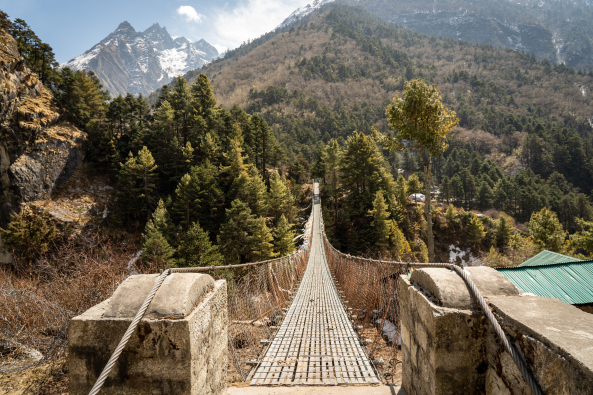
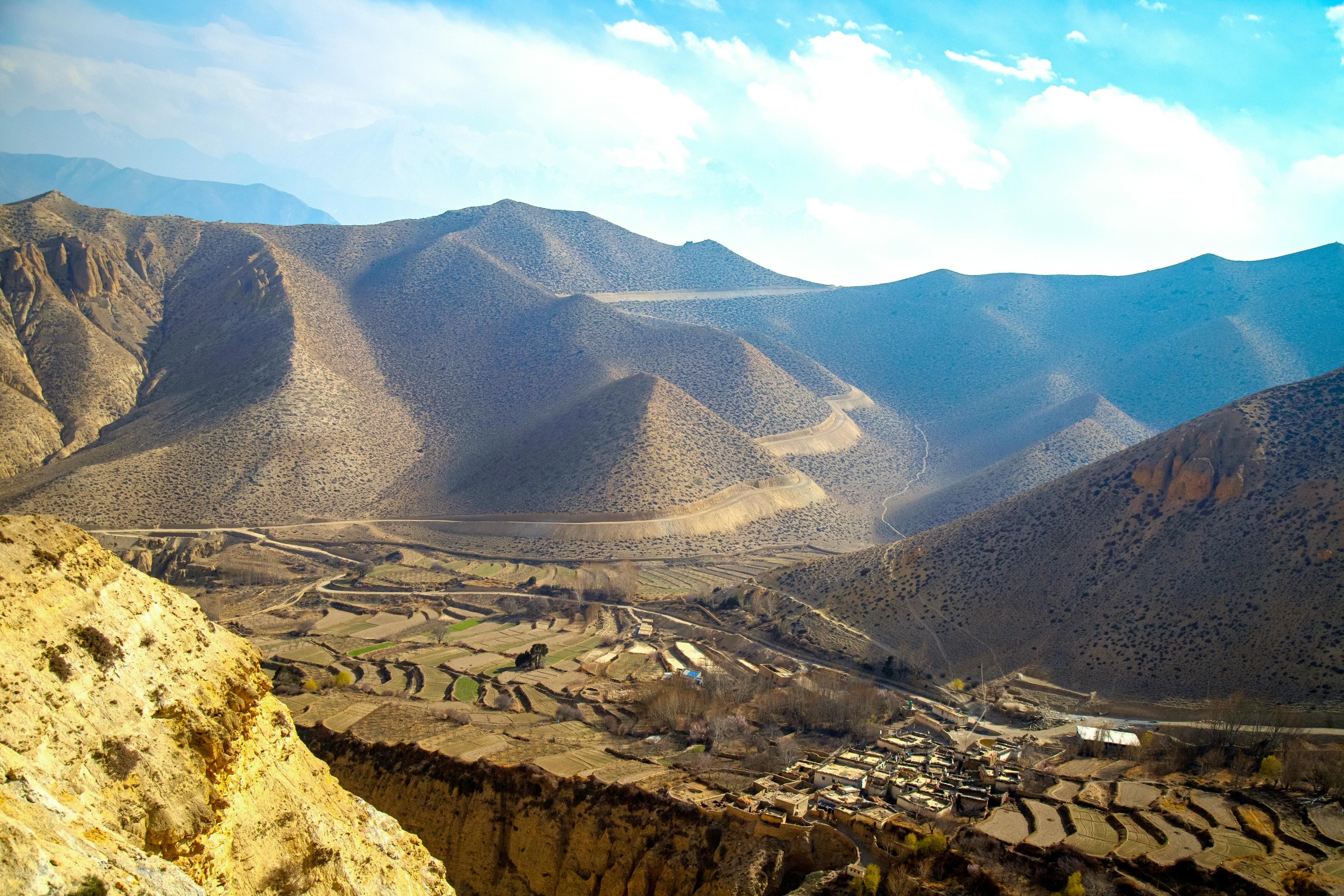
When people think of Nepal, snow-capped mountains and world-famous trekking routes often come to mind. Yet beyond the towering Himalayas lies another extraordinary world filled with dense jungles, rare wildlife, pristine wetlands, and diverse ecosystems. Nepal may be relatively small, but it is one of the richest countries in Asia in terms of biodiversity.
Home to over 12 national parks, one wildlife reserve, one hunting reserve, and six conservation areas, Nepal protects an incredible variety of landscapes—from tropical forests in the south to alpine meadows in the north. Visitors can encounter endangered one-horned rhinoceroses, elusive Bengal tigers, red pandas, snow leopards, gharial crocodiles, and hundreds of species of birds.
Whether you’re planning a jungle safari, a wildlife photography expedition, or simply want to experience Nepal beyond its mountains, the country’s protected areas offer unforgettable adventures.
Why Nepal Is a Wildlife Lover’s Paradise
Nepal’s unique geography creates habitats for an astonishing range of wildlife. Within a relatively short distance, travelers can journey from subtropical jungles to snow-covered Himalayan peaks.
Wildlife enthusiasts can enjoy:
- Jeep safaris through dense forests
- Canoe rides along peaceful rivers
- Birdwatching with expert naturalists
- Nature walks
- Elephant breeding centers
- Cultural experiences with local communities
- Stunning landscapes and photography opportunities
1. Chitwan National Park

One of Nepal’s most famous wildlife destinations, Chitwan National Park was the country’s first national park and is recognized as a UNESCO World Heritage Site.
Highlights
- One-horned rhinoceros
- Bengal tiger
- Asian elephant
- Sloth bear
- Mugger crocodile
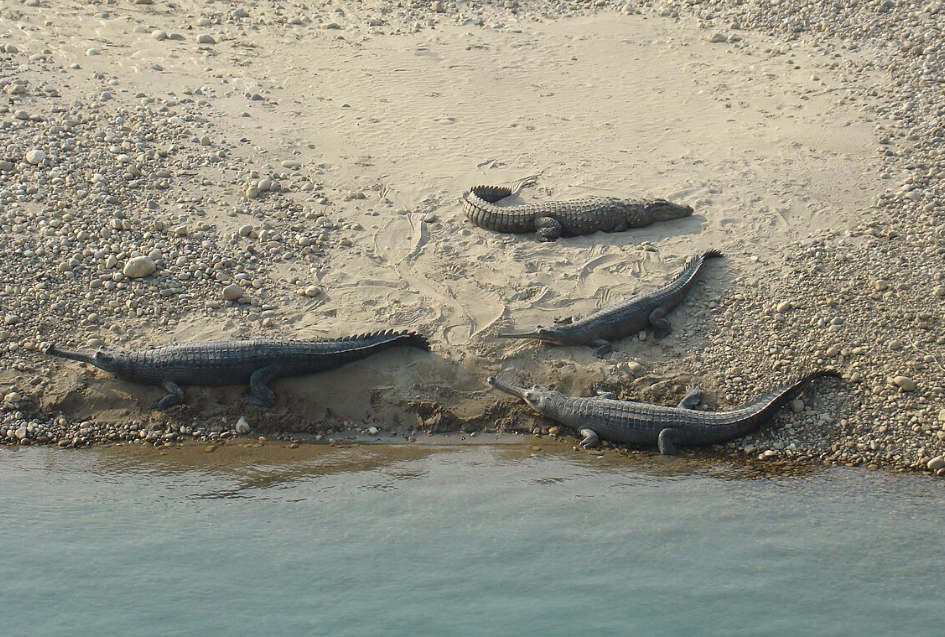
- Gharial crocodile
- Over 600 bird species
Popular Activities
- Jeep safari
- Canoe ride
- Jungle walk
- Birdwatching
- Tharu cultural dance
- Elephant Breeding Center visit
Best time to visit: October–March
2. Bardia National Park
For travelers seeking a quieter safari experience, Bardia National Park offers untouched wilderness and fewer crowds than Chitwan.
Wildlife
- Bengal tiger
- Wild elephant
- One-horned rhinoceros
- Gangetic dolphin
- Leopard
- Swamp deer
Activities
- Full-day jungle safari
- River safari
- Birdwatching
- Community homestays
- Nature photography
Best for travelers looking for authentic wildlife experiences.
3. Sagarmatha National Park
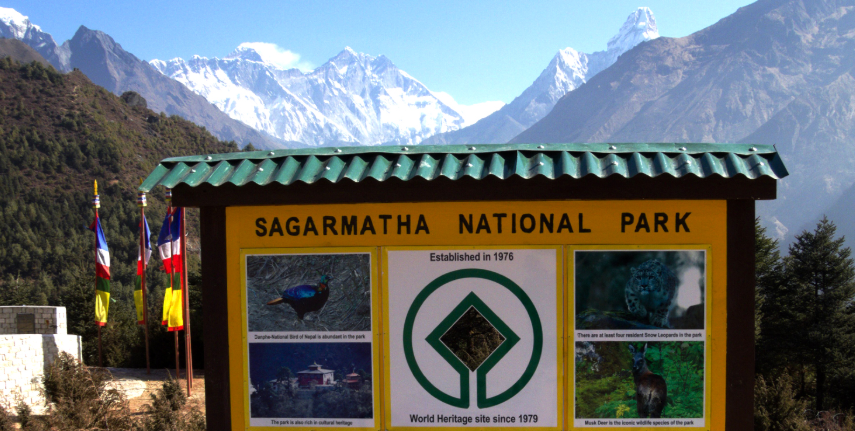
Home to Mount Everest, this UNESCO World Heritage Site is much more than breathtaking mountains.
Wildlife
- Snow leopard
- Himalayan tahr
- Musk deer
- Red fox
- Himalayan monal (Nepal’s national bird)
Visitors can enjoy spectacular trekking while spotting alpine wildlife in one of the world’s highest protected areas.
4. Langtang National Park
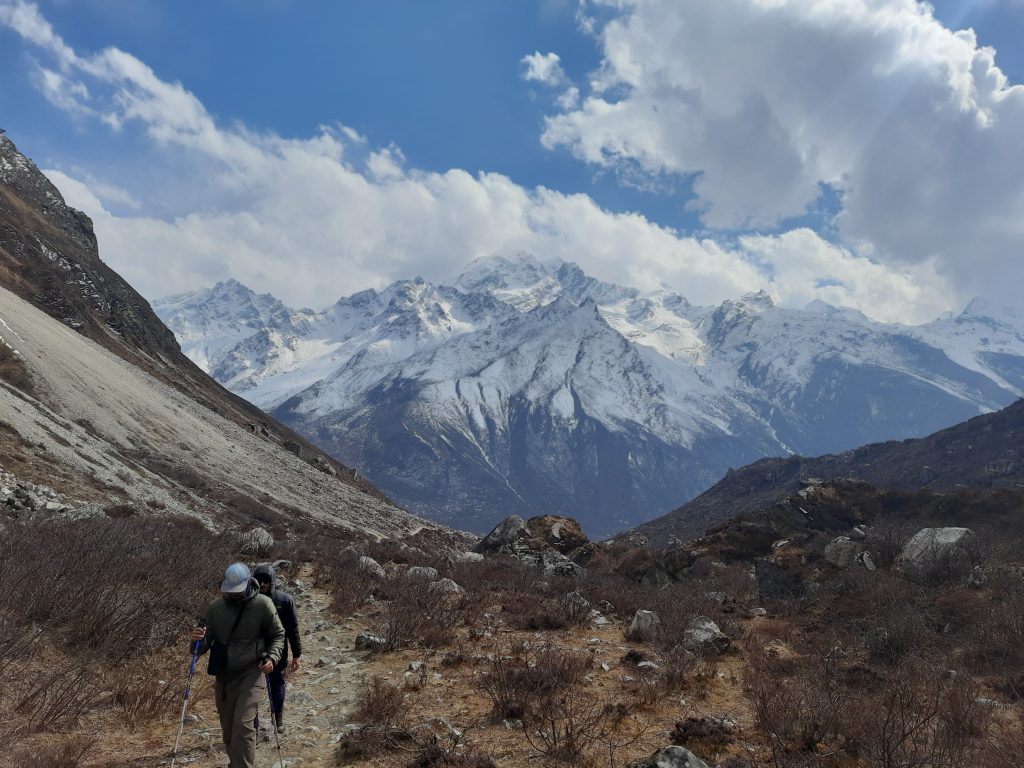
Located north of Kathmandu, Langtang National Park combines mountain scenery with remarkable biodiversity.
Wildlife
- Red panda
- Himalayan black bear
- Musk deer
- Himalayan tahr
- Snow leopard
This park is perfect for trekking and wildlife enthusiasts alike.
5. Rara National Park

Nepal’s smallest national park protects the country’s largest lake and offers breathtaking natural beauty.
Highlights
- Crystal-clear Rara Lake
- Himalayan black bear
- Red panda
- Musk deer
- Rich alpine forests
Ideal for travelers looking to escape the crowds.
6. Shivapuri Nagarjun National Park
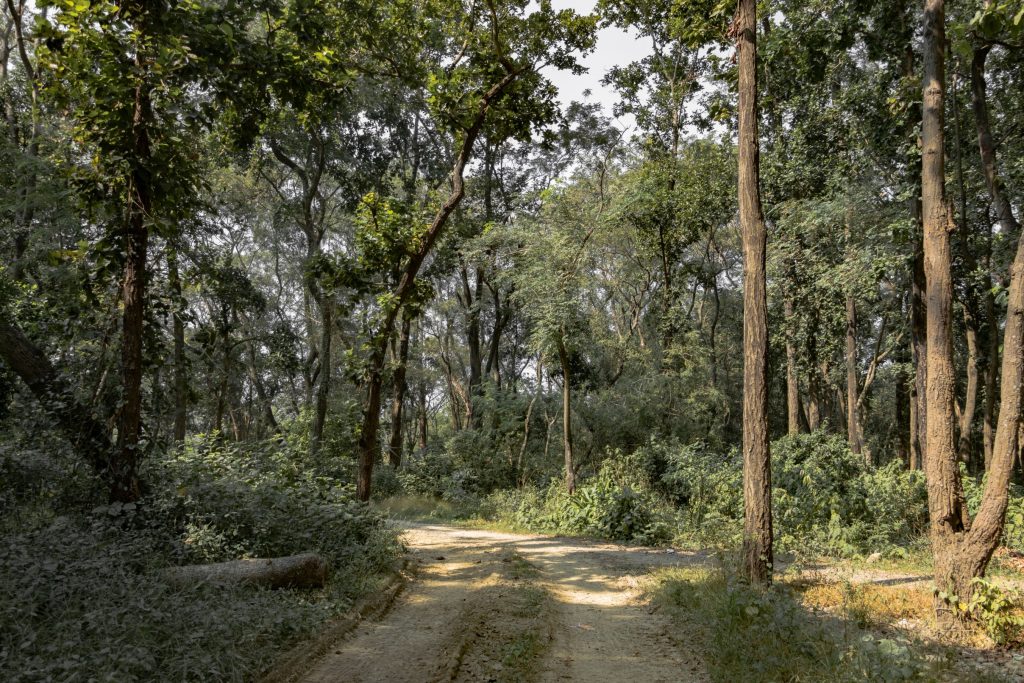
Just a short drive from Kathmandu, this park is a fantastic option for day hikes and birdwatching.
Wildlife
- Leopard
- Himalayan black bear
- Barking deer
- Langur monkeys
- More than 300 bird species
Perfect for visitors with limited time.
7. Banke National Park

Banke forms an important wildlife corridor connecting Nepal and India.
Wildlife includes:
- Bengal tiger
- Wild elephant
- Four-horned antelope
- Leopard
- Sloth bear
Its growing tiger population makes it increasingly important for conservation.
8. Shuklaphanta National Park
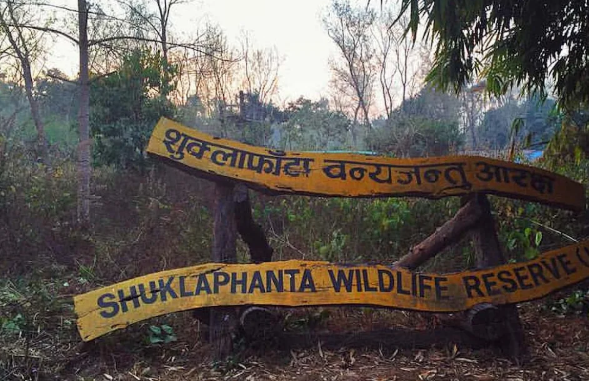
Located in western Nepal, Shuklaphanta is famous for its vast grasslands.
Wildlife
- Swamp deer
- Bengal tiger
- One-horned rhinoceros
- Wild elephant
- More than 450 bird species
Excellent for birdwatchers and photographers.
Birdwatching in Nepal
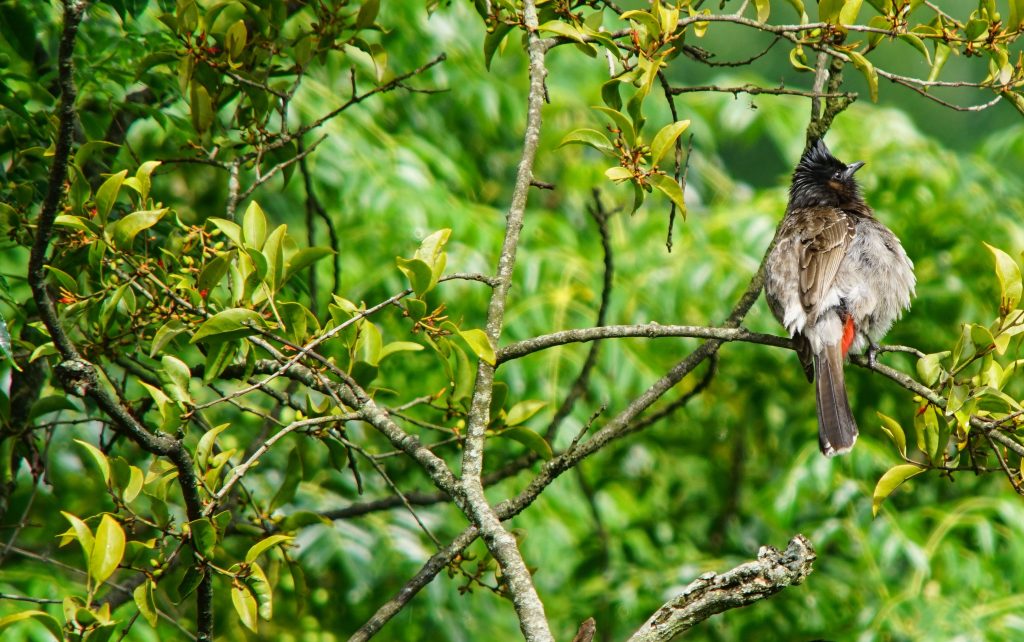
Nepal is home to over 890 bird species, making it one of Asia’s premier birdwatching destinations.
Top birdwatching spots include:
- Chitwan National Park
- Koshi Tappu Wildlife Reserve
- Shivapuri Nagarjun National Park
- Bardia National Park
Species include:
- Himalayan monal
- Great hornbill
- Sarus crane
- Bengal florican
- Kingfishers
- Eagles
Responsible Wildlife Tourism
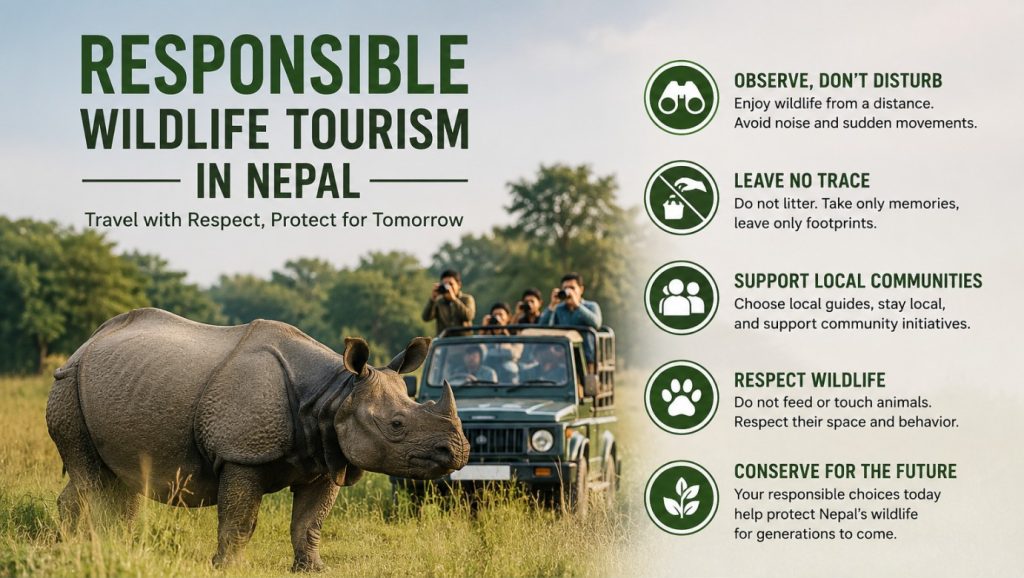
When visiting Nepal’s protected areas, help preserve these fragile ecosystems by:
- Keeping a safe distance from wildlife.
- Following your guide’s instructions.
- Never feeding wild animals.
- Avoiding litter and single-use plastics.
- Respecting local communities and conservation rules.
- Choosing eco-friendly lodges and responsible tour operators.
Responsible travel helps protect Nepal’s incredible biodiversity for future generations.
Best Time for Wildlife Safaris
The ideal months are October to March, when the weather is pleasant and animals are easier to spot around water sources and open grasslands. Spring (March to May) also offers excellent wildlife viewing, though temperatures can be warmer in the lowlands.
Plan Your Wildlife Adventure with E.H.T. Travel
From the lush jungles of Chitwan and Bardia to the alpine habitats of Sagarmatha and Langtang, Nepal offers wildlife experiences unlike anywhere else in the world.
Whether you’re seeking a thrilling tiger safari, peaceful birdwatching, or a journey through Nepal’s diverse natural landscapes, E.H.T. Travel & Tours can help create a personalized itinerary that combines wildlife, culture, and adventure.
Ready to explore Nepal’s wild side? Contact E.H.T. Travel & Tours today and let your next adventure begin!
Comments
Recent Posts