Complete Guide to Trekking in Nepal (2026)
The home to eight of the world’s fourteen highest mountains offers some of the most spectacular trekking experiences on Earth. It is not just legendary trails like Everest Base Camp trek or the diverse landscapes of the Annapurna region that is an attraction, rather, Nepal offers a wide range of mountains to choose from for all fitness levels and to add plenty of variety for the seasoned trekker from around the globe every year.
Hence, irrespective of whether you’re a trekking novice or an experienced enthusiast, this is a complete guide to trekking in Nepal that will help you to plan the perfect holiday filled with thrill and adventure in 2026.
Why Trek in Nepal?
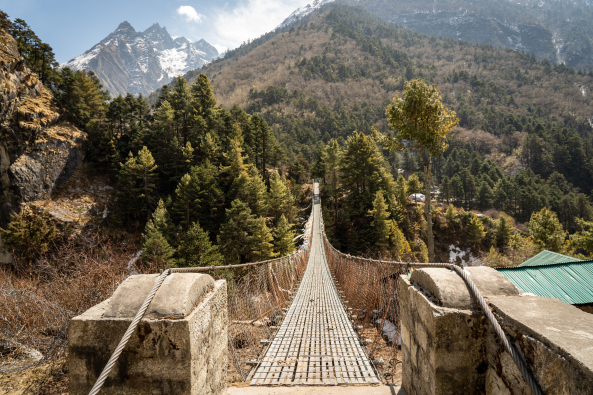
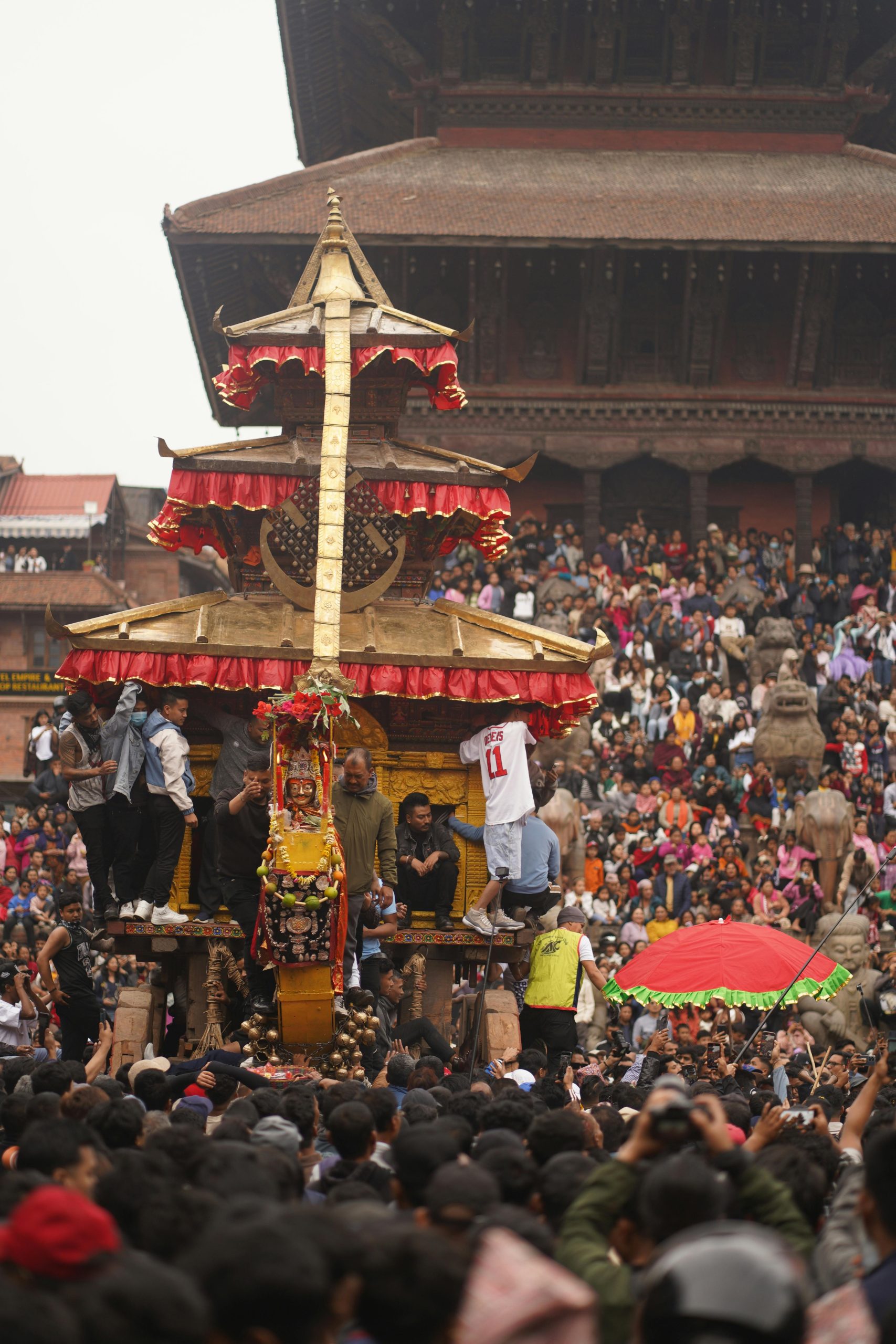
There is much more to Nepal when it comes to trekking the Himalayan peaks. The remote villages with diverse cultures, the warm hospitality of the locals, Buddhist monasteries along with the awe-inspiring scenery throughout the treks enriches the traveller with a lasting memory.
What makes Nepal unique is the incredible variety of trekking experiences available:
- Trek through the world’s highest mountain ranges
- Explore diverse landscapes from forests to alpine deserts
- Experience authentic Himalayan cultures
- Stay in traditional teahouses along popular routes
- Encounter rich wildlife and natural beauty
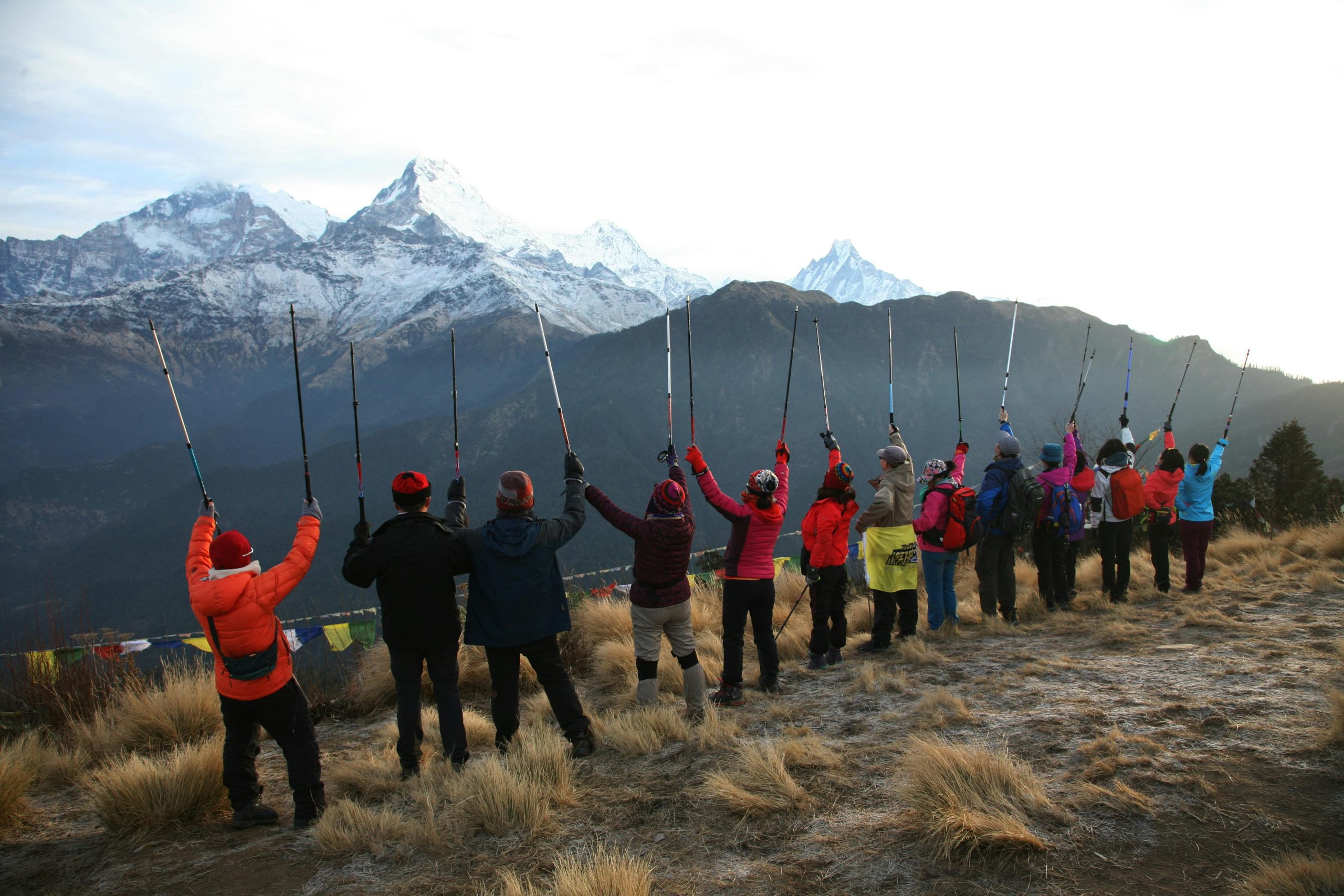
- Challenge yourself physically while enjoying unforgettable views
Best Trekking Regions in Nepal
Everest Region
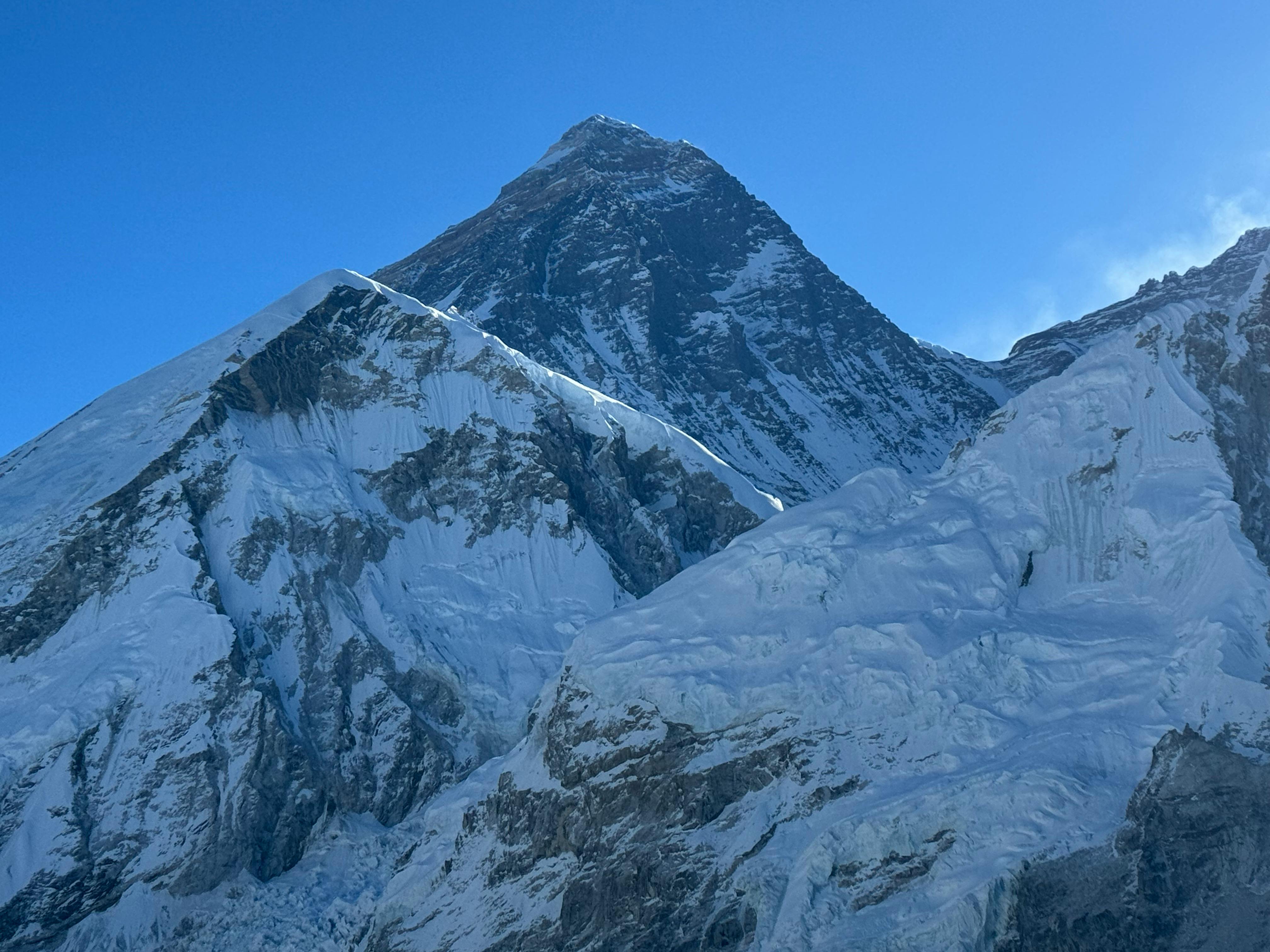
The Everest region is one of the most iconic trekking destinations in the world. Trekkers can enjoy stunning views of Mount Everest, vibrant Sherpa culture, and famous mountain settlements.
Popular treks include:
- Everest Base Camp Trek
- Gokyo Lakes Trek
- Three Passes Trek
- Everest Panorama Trek
Difficulty: Moderate to Challenging
Best For: Adventure seekers and mountain enthusiasts
Annapurna Region
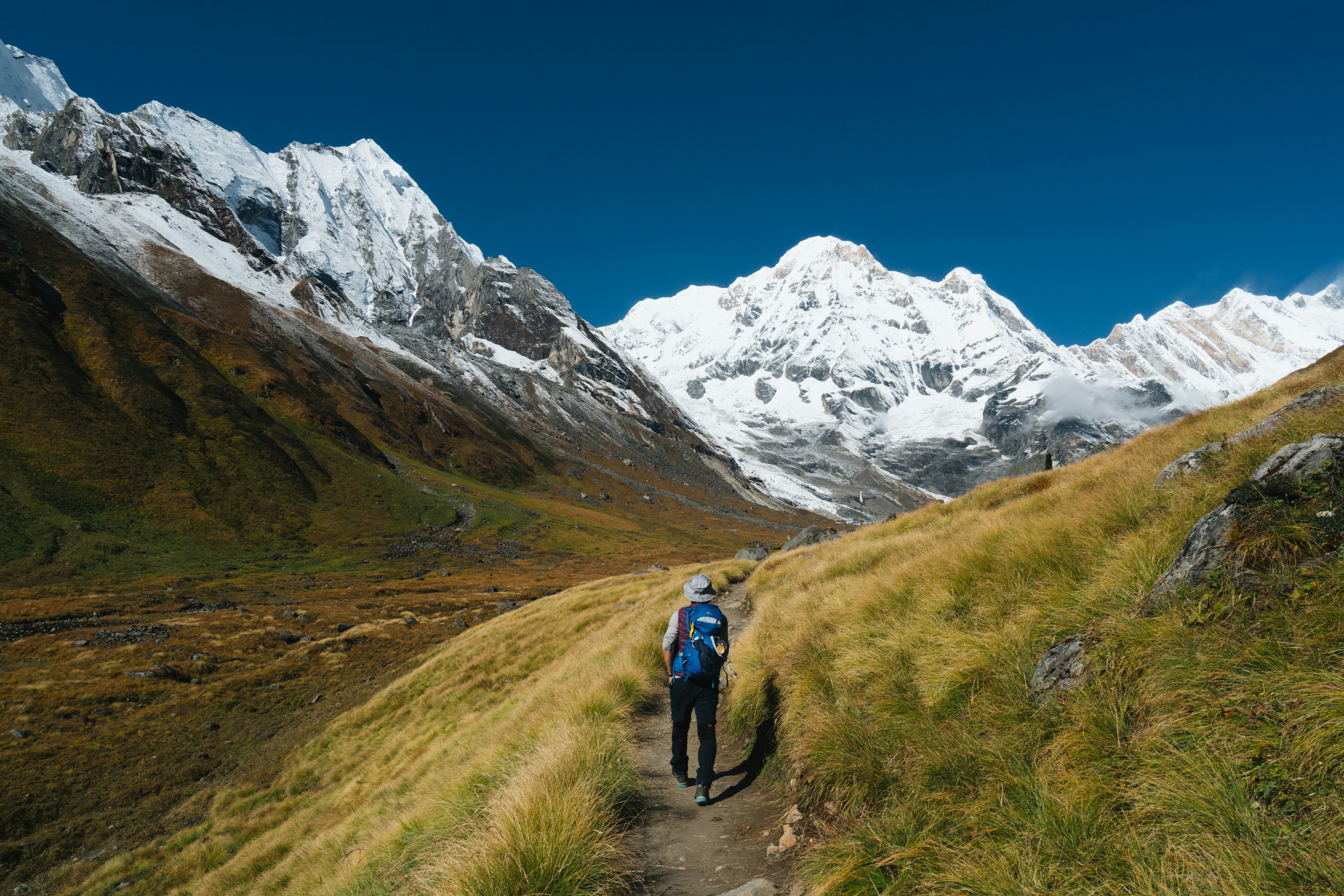
The Annapurna region offers incredible diversity, combining lush forests, traditional villages, high mountain passes, and panoramic Himalayan views.
Popular treks include:
- Annapurna Base Camp Trek
- Annapurna Circuit Trek
- Ghorepani Poon Hill Trek
- Mardi Himal Trek
Difficulty: Easy to Challenging
Best For: First-time trekkers and experienced hikers alike
Langtang Region

close to Kathmandu, the Langtang region provides beautiful mountain scenery and cultural experiences without requiring domestic flights.
Popular treks include:
- Langtang Valley Trek
- Gosaikunda Trek
- Helambu Trek
Difficulty: Moderate
Best For: Travelers with limited time
Manaslu Region
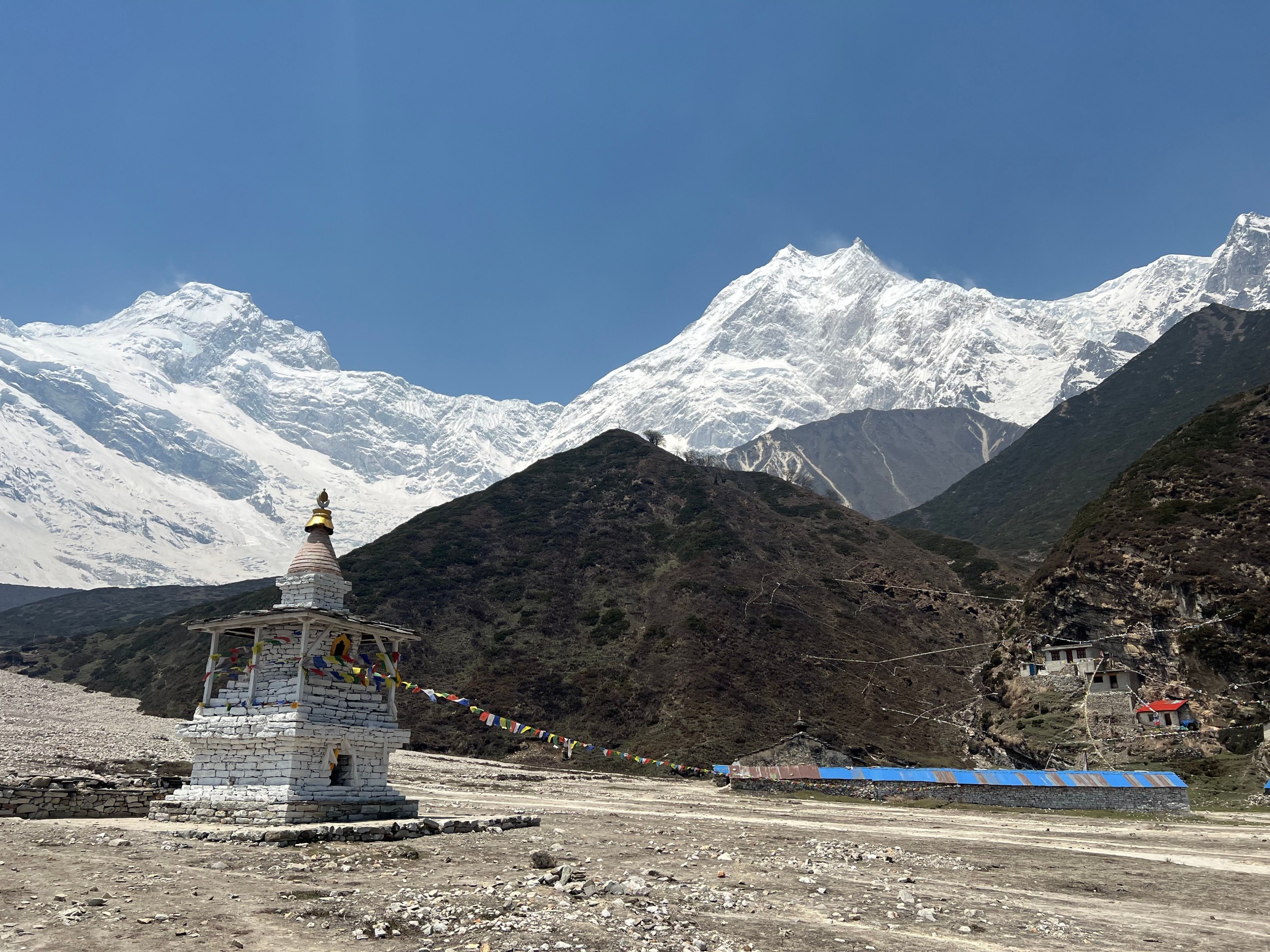
The Manaslu Circuit Trek is one of Nepal’s most rewarding off-the-beaten-path adventures.
Highlights include:
- Remote mountain villages
- Traditional Tibetan-influenced culture
- High mountain passes
- Fewer crowds than Everest or Annapurna
Difficulty: Challenging
Best For: Experienced trekkers
Upper Mustang

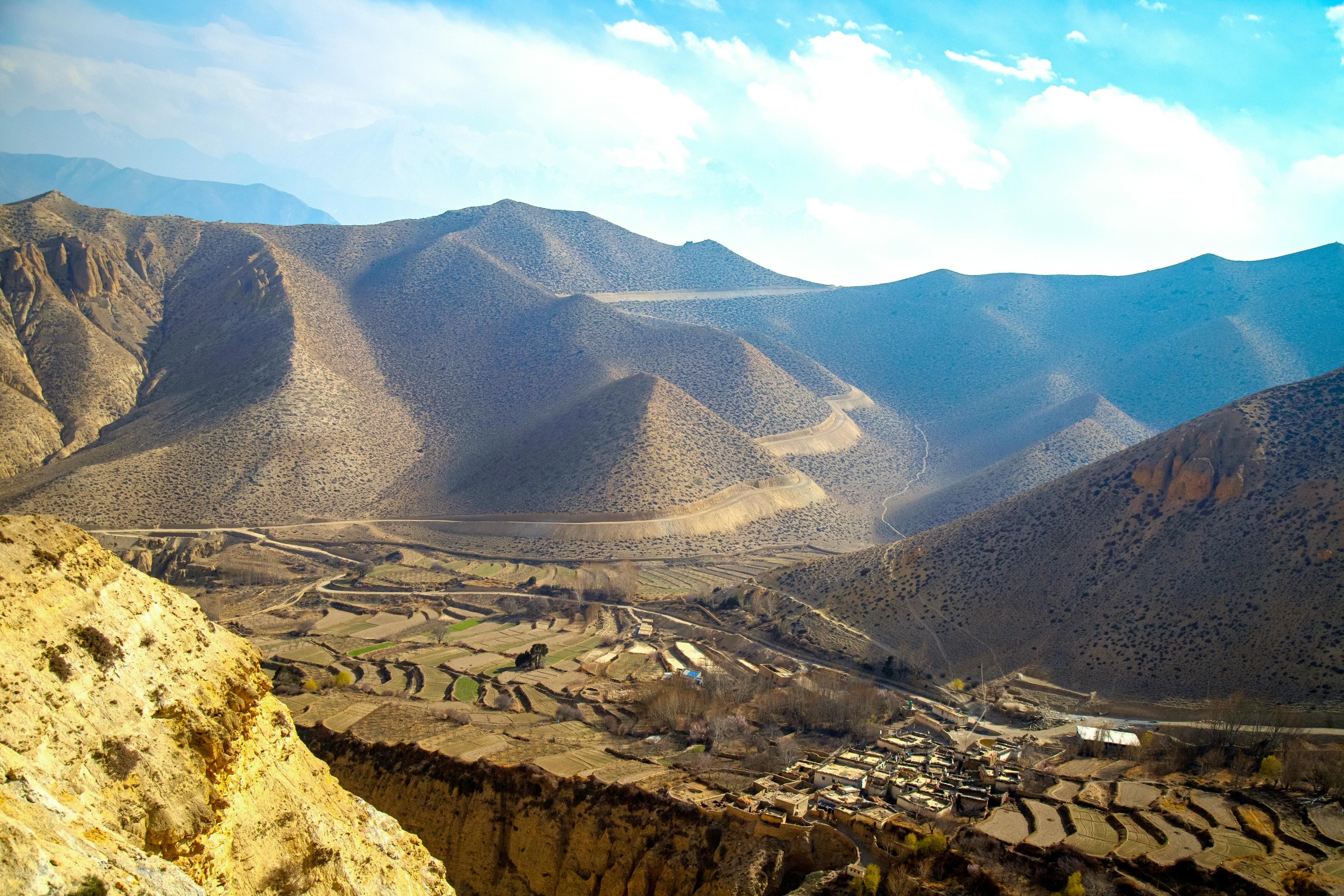
Often called Nepal’s “Forbidden Kingdom,” Upper Mustang offers a completely different trekking experience with dramatic desert landscapes and ancient Tibetan culture.
Difficulty: Moderate
Best For: Cultural explorers and photographers
Complete Guide to Trekking in Nepal (2026): Best Time for Trekking
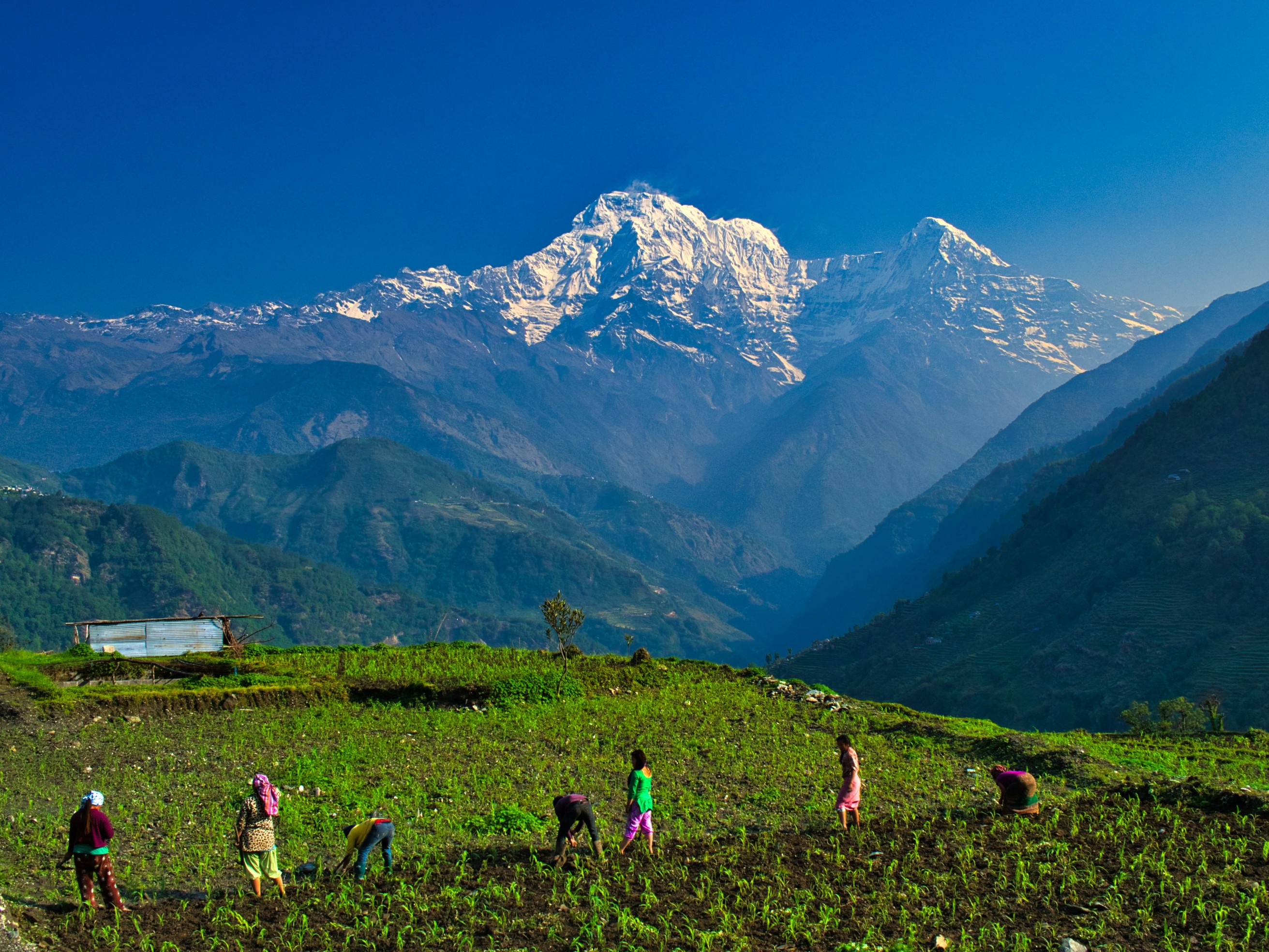
Spring (March – May)
Spring is one of the most popular trekking seasons.
Benefits:
- Stable weather
- Rhododendron blooms
- Excellent mountain visibility
- Comfortable temperatures
Autumn (September – November)
Autumn is widely considered the best trekking season in Nepal.
Benefits:
- Clear mountain views
- Dry weather
- Pleasant temperatures
- Major cultural festivals
Winter (December – February)
Winter trekking is possible on lower-altitude routes.
Benefits:
- Fewer crowds
- Clear skies
- Peaceful trails
Monsoon (June – August)
Heavy rainfall affects many trekking regions, though areas like Upper Mustang remain excellent during this period.
Trekking Difficulty Levels
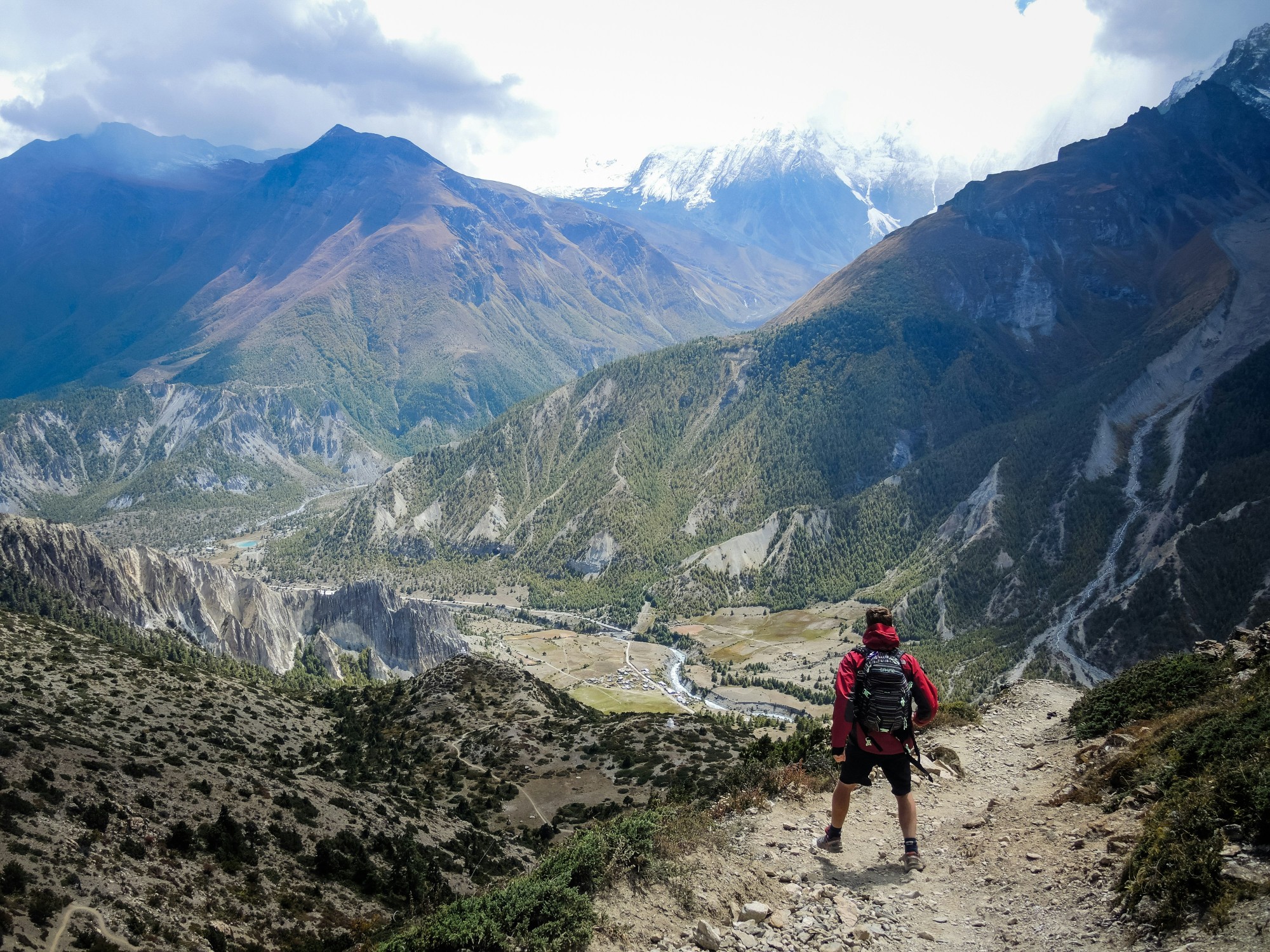
Easy Treks
Suitable for beginners:
- Ghorepani Poon Hill Trek
- Australian Camp Trek
- Helambu Trek
Moderate Treks
Require reasonable fitness:
- Langtang Valley Trek
- Mardi Himal Trek
- Annapurna Base Camp Trek
Challenging Treks
Require good physical conditioning:
- Everest Base Camp Trek
- Annapurna Circuit Trek
- Manaslu Circuit Trek
Advanced Treks
For experienced trekkers:
- Three Passes Trek
- Kanchenjunga Trek
- Dhaulagiri Circuit Trek
Complete Guide to Trekking in Nepal (2026): Trekking Permits
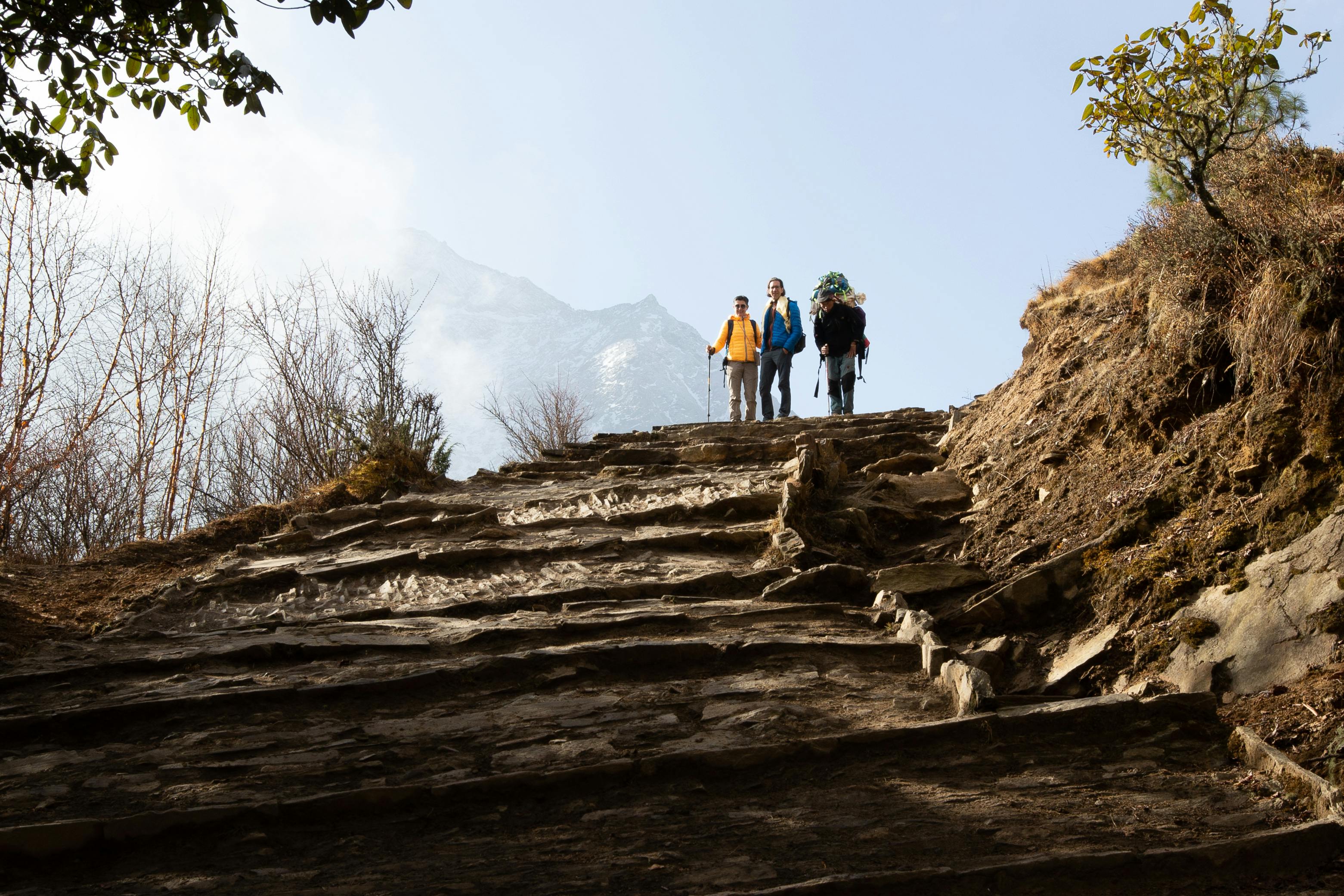
Most trekking routes require permits.
Common permits include:
TIMS Card
Trekkers’ Information Management System registration.
National Park and Conservation Area Permits
Depending on the trekking region, you may require permits for areas such as:
- Sagarmatha National Park
- Annapurna Conservation Area
- Langtang National Park
Restricted Area Permits
Required for destinations such as:
- Upper Mustang
- Manaslu
- Nar Phu Valley
Permit regulations can change, so always verify current requirements before your trek.
Complete Guide to Trekking in Nepal (2026): What does it Cost?
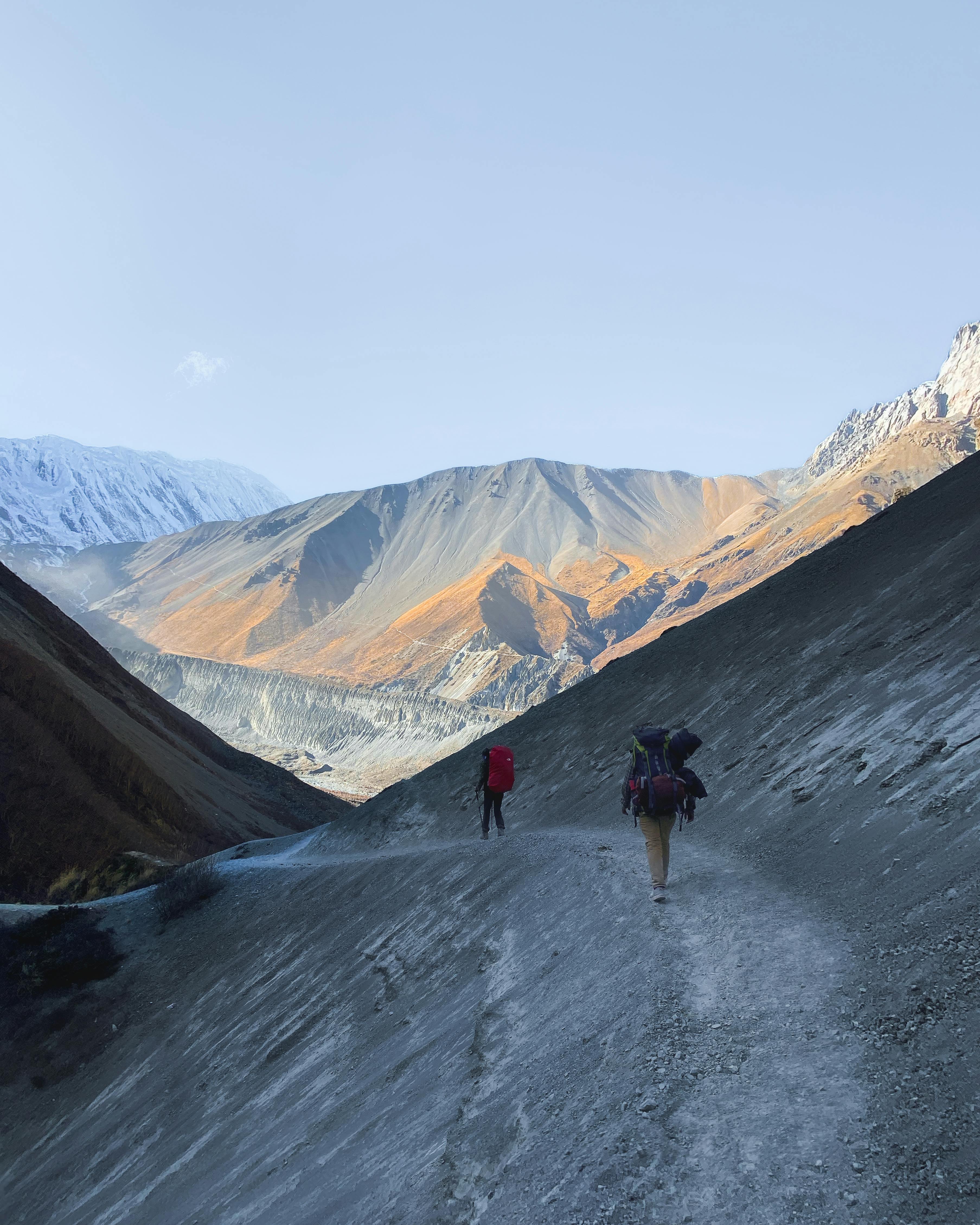
Costs vary depending on trek duration, region, and service level.
Budget Trekker
Approximate daily budget:
- Accommodation
- Meals
- Transportation
- Permits
Estimated total: USD 400–900
Mid-Range Trekker
Estimated total: USD 800–2,000
Includes:
- Professional guide
- Better accommodation
- Organized logistics
Fully Guided Trek Packages
Estimated total: USD 1,200–4,000+
Includes:
- Airport transfers
- Permits
- Accommodation
- Guides and porters
- Domestic flights where applicable
Essential Packing List
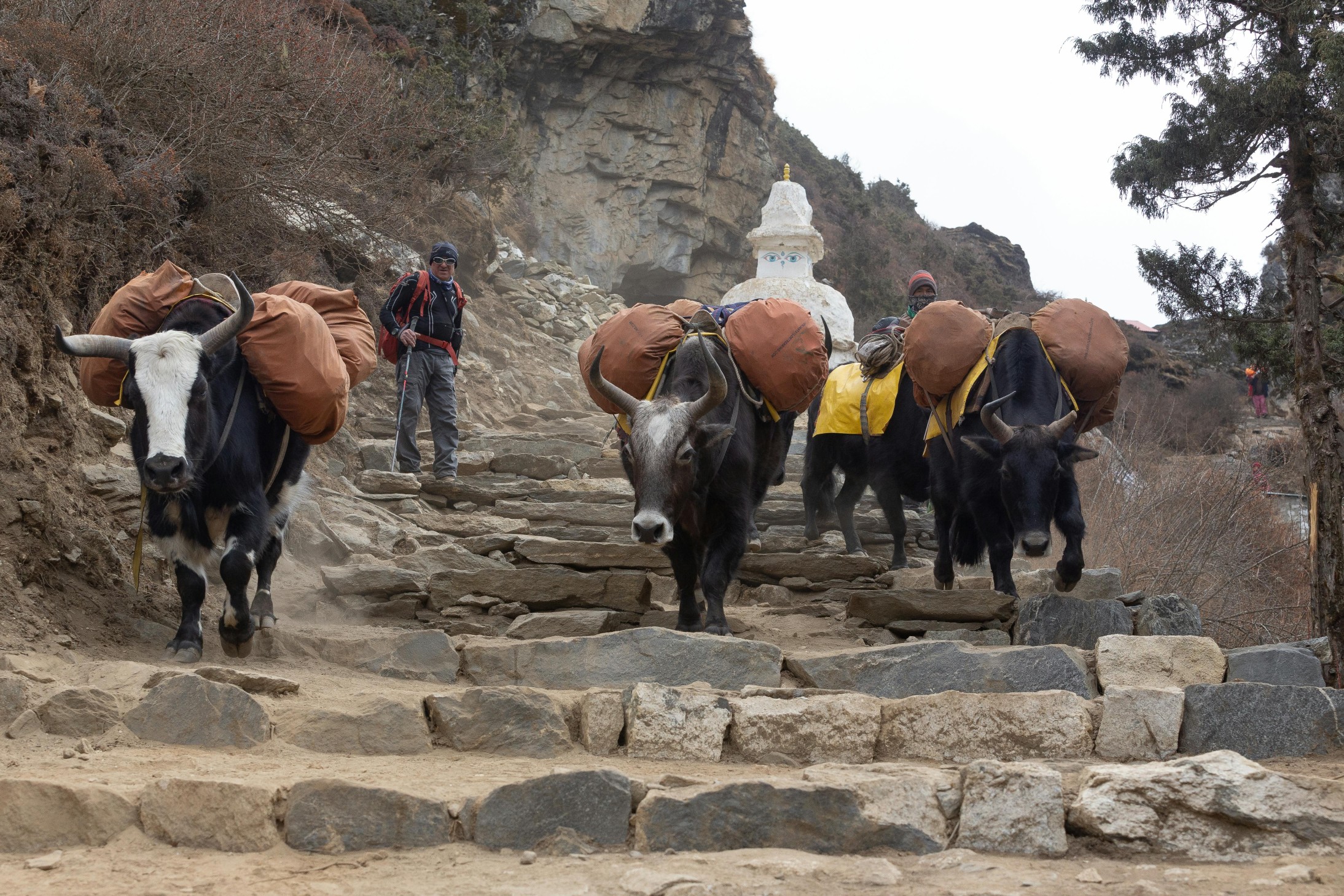
Clothing
- Moisture-wicking base layers
- Fleece jacket
- Down jacket
- Waterproof jacket
- Trekking pants
- Thermal wear
Footwear
- Trekking boots
- Comfortable camp shoes
- Warm socks
Equipment
- Trekking poles
- Backpack
- Sleeping bag
- Headlamp
- Water bottles
Personal Items
- Sunscreen
- Sunglasses
- First-aid kit
- Personal medications
- Power bank
Travel Insurance & Emergency Evacuation
Comprehensive travel insurance is strongly recommended for anyone trekking in Nepal, especially in remote and high-altitude regions. Your policy should cover trekking activities, altitude-related illnesses, emergency medical treatment, and helicopter evacuation (Helivac/Medevac).
In areas such as Everest, Manaslu, Kanchenjunga, and Upper Dolpo, helicopter rescue may be the only way to access urgent medical care. Evacuation costs can be substantial, making adequate insurance essential rather than optional.
Before your trek, carefully check that your insurance policy covers:
- The maximum altitude of your trek
- Emergency helicopter evacuation
- Medical treatment and hospitalization
- Adventure trekking activities in Nepal
Having the right coverage can provide peace of mind and ensure access to timely assistance should an emergency arise in the mountains.
Popular international travel insurance providers used by trekkers include World Nomads, Allianz Travel, and SafetyWing. Travelers should always verify coverage details, altitude limits, and evacuation benefits before purchasing a policy.
Do You Need a Guide?
While some routes allow independent trekking, hiring a professional guide offers several advantages:
- Navigation assistance
- Cultural insights
- Emergency support
- Local knowledge
- Logistics management
For many trekking regions, guides are increasingly becoming a requirement under updated trekking regulations.
Health and Safety Tips
To ensure a safe trekking experience:
- Acclimatize properly
- Stay hydrated
- Trek at a comfortable pace
- Follow your guide’s instructions
- Learn the symptoms of altitude sickness
- Purchase comprehensive travel insurance
Never ignore signs of Acute Mountain Sickness (AMS), especially above 3,000 meters.
Responsible Trekking in Nepal
Help preserve Nepal’s natural beauty by:
- Carrying reusable water bottles
- Avoiding plastic waste
- Respecting local customs
- Supporting local businesses
- Following Leave No Trace principles
Sustainable tourism helps protect mountain communities and environments for future generations.
Why Choose EHT Travel for Your Nepal Trek?
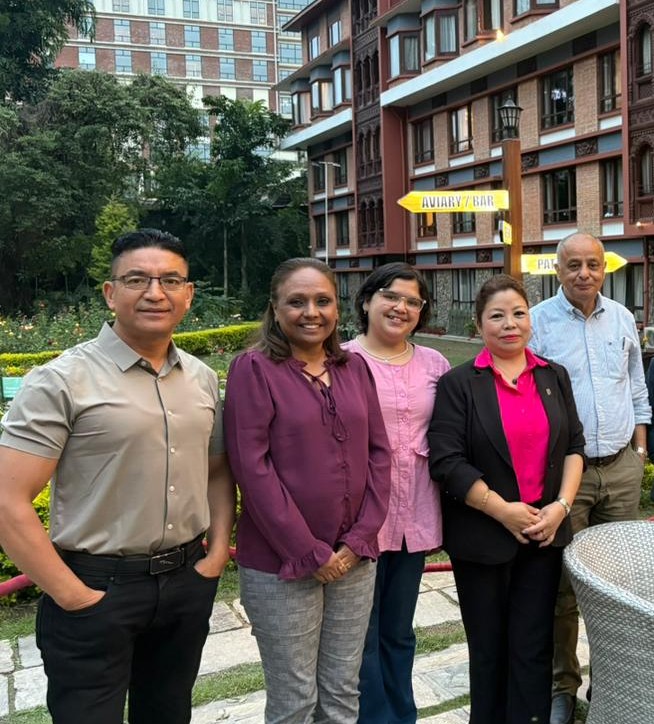
At EHT Travel, we specialize in creating safe, authentic, and unforgettable trekking experiences throughout Nepal. Our experienced local guides, customized itineraries, and commitment to responsible tourism ensure that every trek becomes a journey of discovery.
Whether you dream of reaching Everest Base Camp, exploring the Annapurna region, or venturing into the hidden valleys of Nepal, our team is ready to help you plan the perfect Himalayan adventure.
Final Thoughts
Trekking in Nepal is an experience that stays with you for a lifetime. From towering Himalayan peaks and ancient mountain cultures to breathtaking trails and personal achievement, Nepal offers adventures unlike anywhere else in the world.
If you’re planning a trekking holiday in 2026, now is the perfect time to start preparing your journey and discover why Nepal remains one of the world’s greatest trekking destinations.
Ready to explore the Himalayas? Contact EHT Travel today and let us help you create your perfect trekking adventure in Nepal.
Comments
Recent Posts