🏔️ Altitude Sickness in Nepal: Causes, Symptoms and Prevention Tips
🌄 Introduction
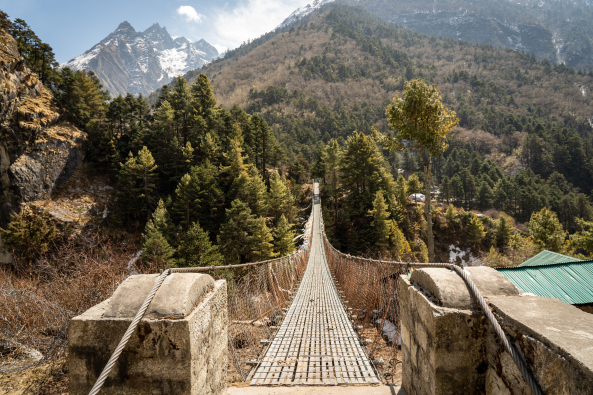
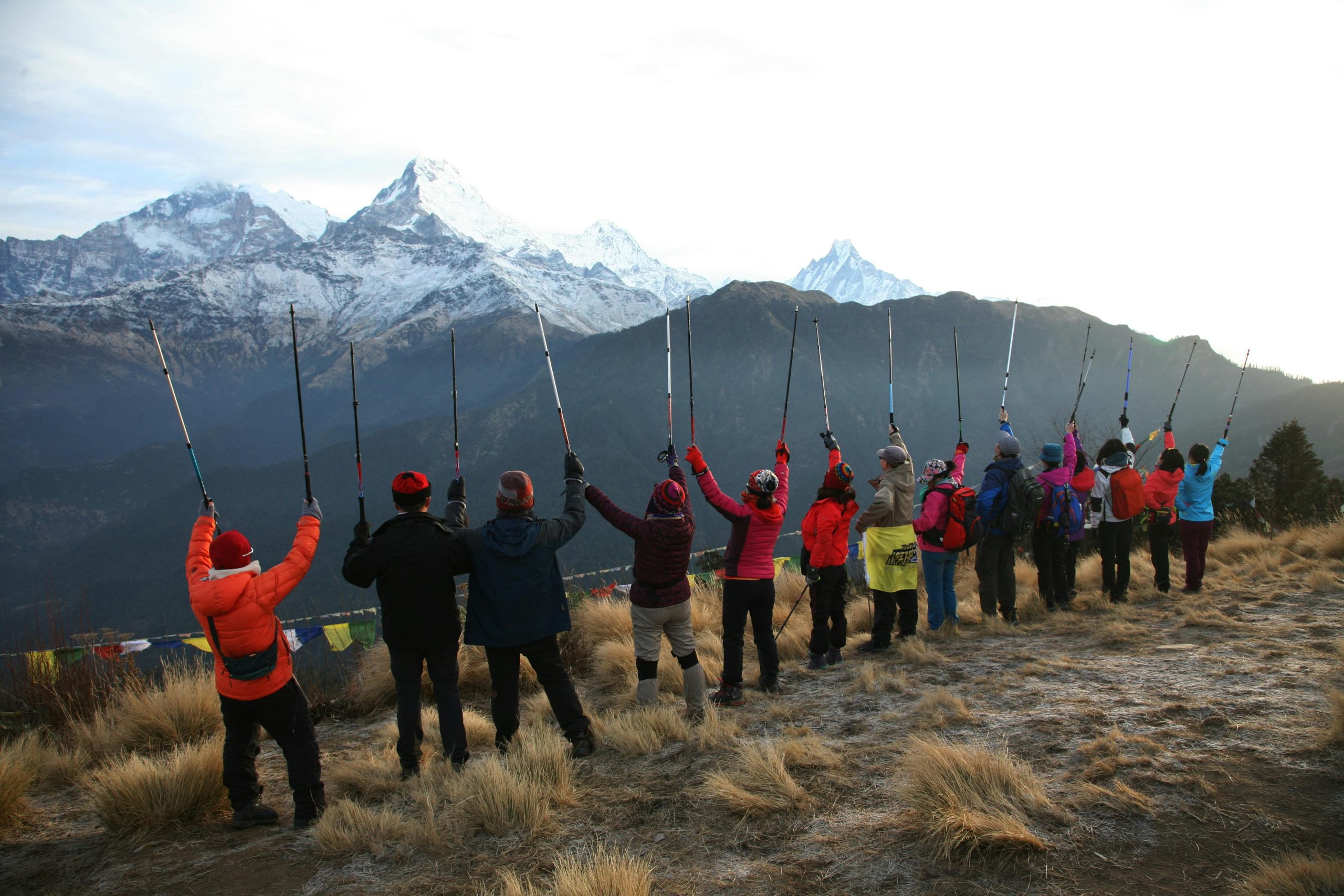
Nepal is home to some of the world’s most iconic trekking routes, including the Everest and Annapurna regions. While the breathtaking views attract thousands of trekkers every year, the high altitude also brings a serious challenge – acute mountain sickness (AMS), commonly known as altitude sickness.
Understanding how altitude sickness works is essential for anyone planning a trek in the Himalayas.
🧠 What is Altitude Sickness?
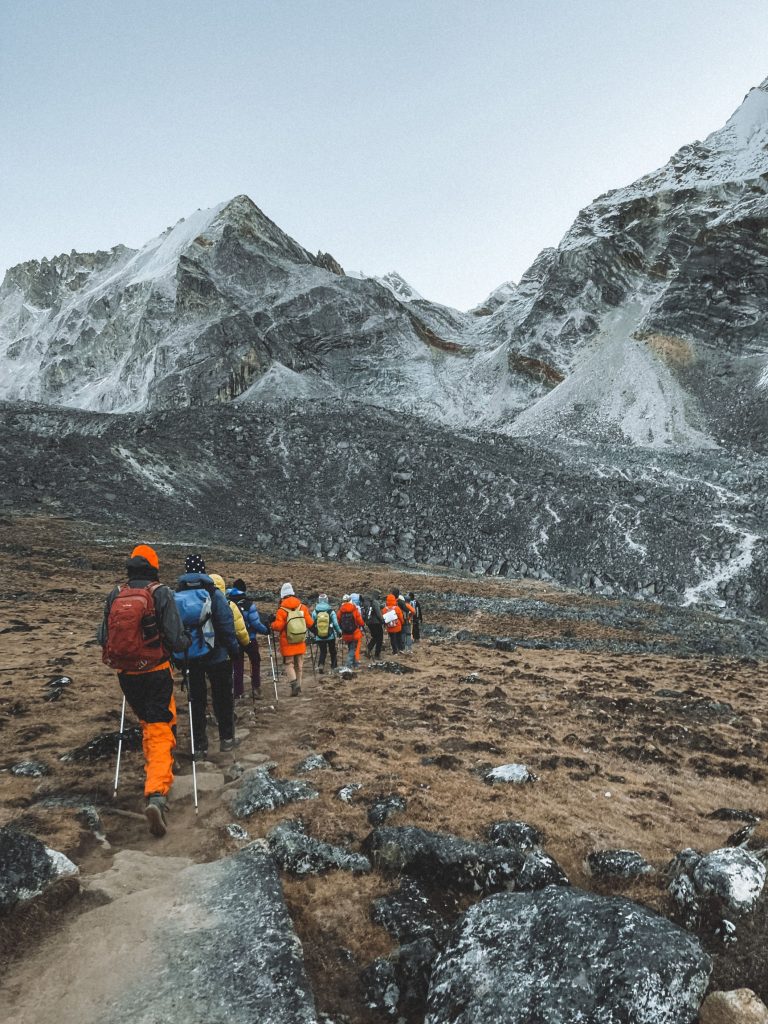
Altitude sickness occurs when your body struggles to adapt to reduced oxygen levels at higher elevations, typically above 2,500 meters (8,200 ft).
As you ascend rapidly in regions like Everest Base Camp or the Annapurna Base Camp, the air pressure drops and oxygen becomes thinner, making it harder for your body to function normally.
⚠️ Causes of Altitude Sickness
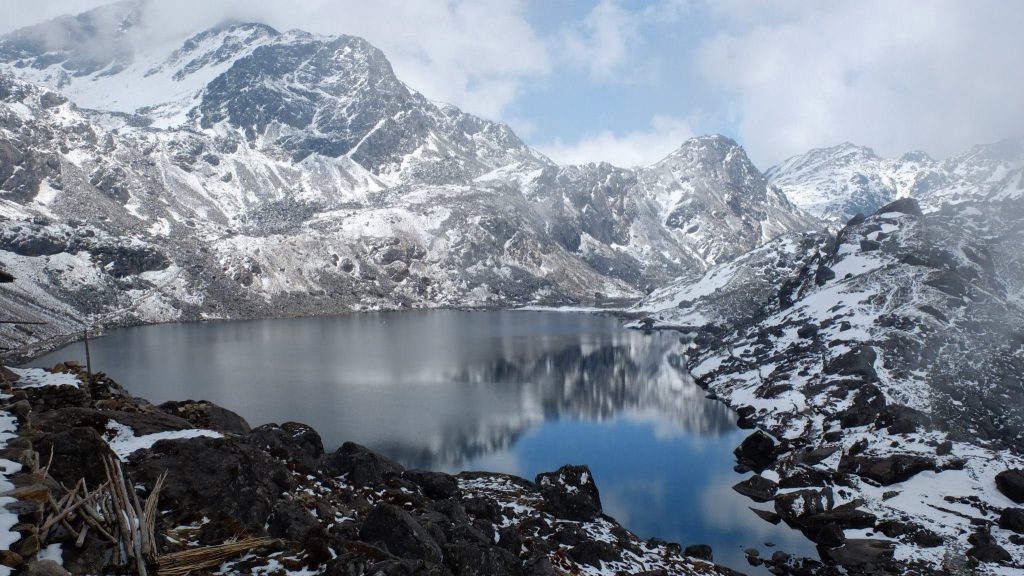
The main cause is rapid ascent without proper acclimatization. Other contributing factors include:
- Dehydration
- Overexertion during trekking
- Lack of prior high-altitude experience
- Sleeping at higher elevations too soon
🚨 Symptoms of Altitude Sickness
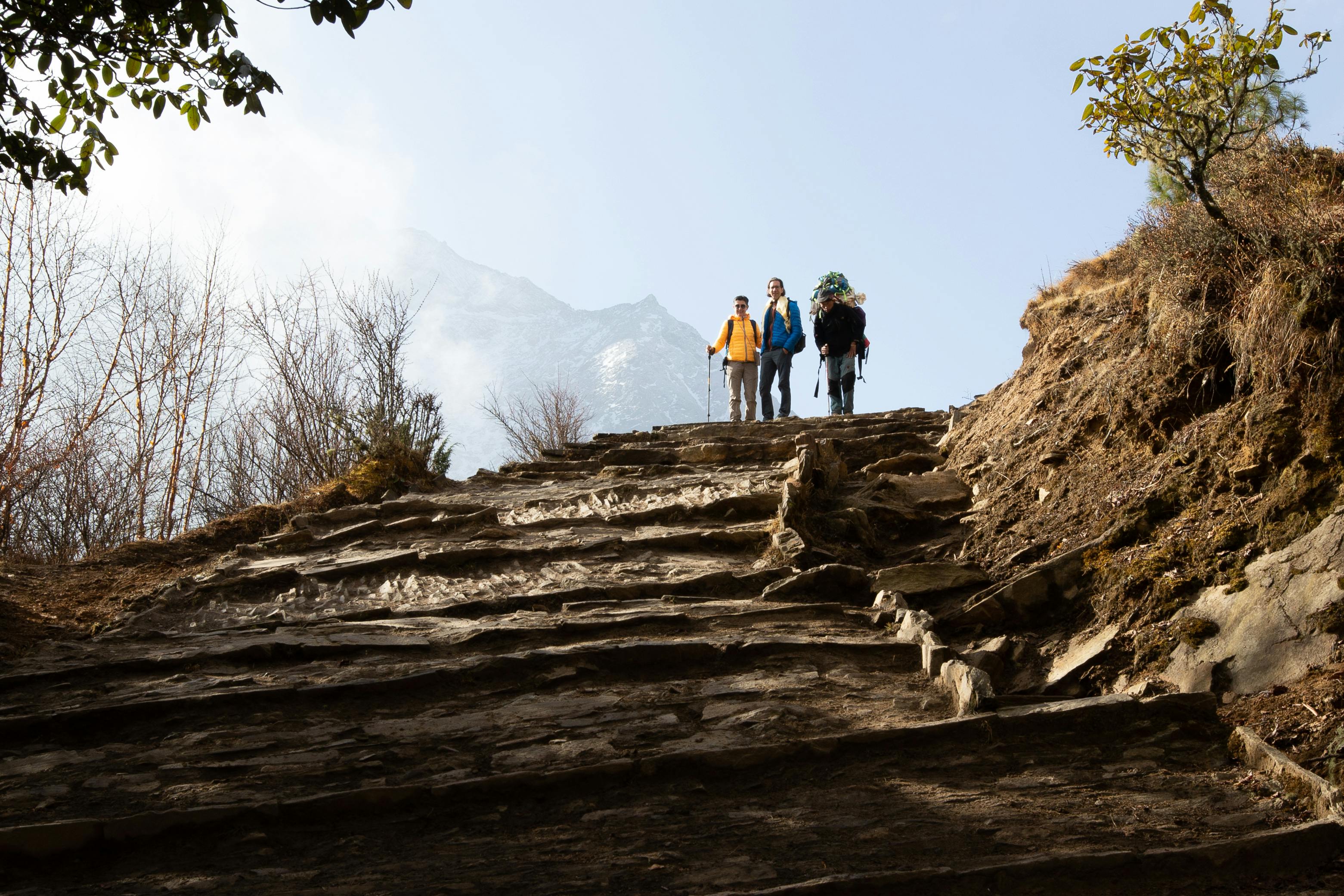
Symptoms usually appear within 6–24 hours after reaching high altitude.
Mild Symptoms (AMS)
- Headache
- Dizziness
- Nausea or vomiting
- Loss of appetite
- Fatigue
- Difficulty sleeping
Severe Symptoms (Medical Emergency)
- Shortness of breath even at rest
- Confusion or lack of coordination
- Persistent coughing
- Chest tightness
- Swelling in hands or face
If severe symptoms occur, immediate descent is the only treatment. Your trekking guide will help you descend until you start feeling better.
🏔️ Types of High-Altitude Illness
- AMS (Acute Mountain Sickness) – most common
- HAPE (High Altitude Pulmonary Edema) – fluid in lungs
- HACE (High Altitude Cerebral Edema) – swelling in the brain (life-threatening)
🛡️ Prevention Tips for Trekking in Nepal
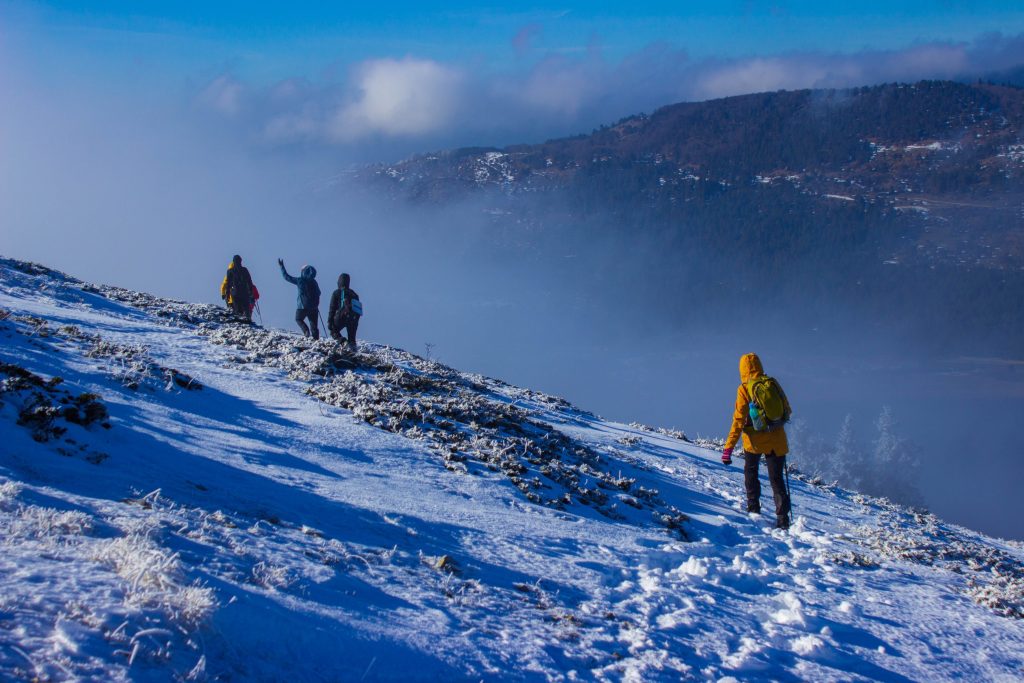
1. Ascend Gradually
Do not increase altitude too quickly. Follow the rule:
👉 “Climb high, sleep low”
2. Acclimatization Days are Essential
Routes like Everest and Annapurna include rest days—never skip them.
3. Stay Hydrated
Drink 3–4 liters of water daily. Avoid alcohol and excessive caffeine.
4. Eat Properly
Carbohydrate-rich meals help your body adjust better at altitude.
5. Avoid Overexertion
Walk at a steady pace. Trekking is not a race.
6. Medication (if needed)
Consult a doctor about Acetazolamide (Diamox) before your trek.
7. Listen to Your Body
Never ignore symptoms. Early action prevents serious complications.
🧳 Who is Most at Risk?
- First-time trekkers
- People ascending quickly from low altitude
- Travelers skipping acclimatization days
- Individuals with respiratory or heart conditions
🧭 Important Trekking Routes in Nepal Where AMS is Common
- Everest region (up to 5,000m+)
- Annapurna Circuit
- Manaslu Circuit
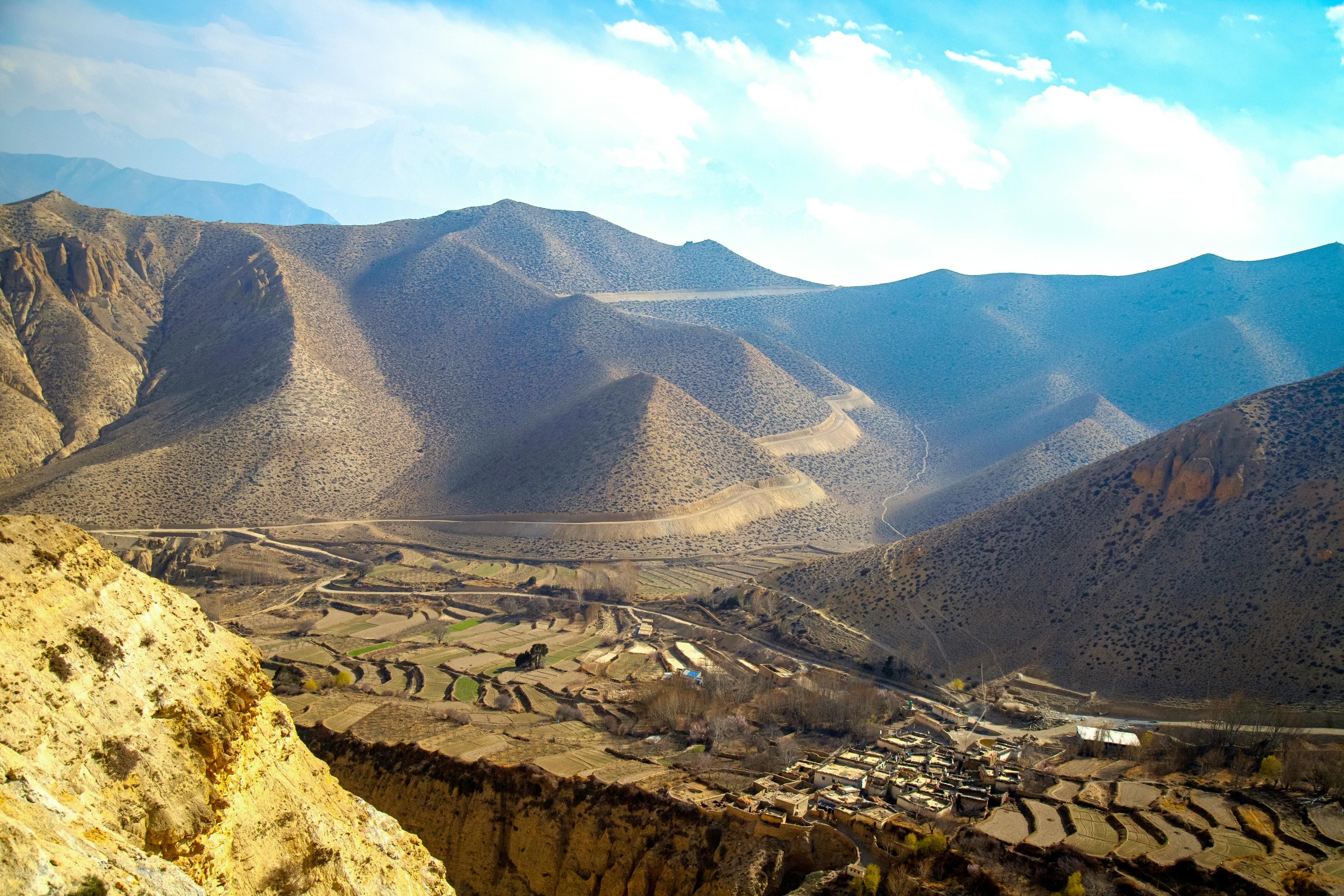
- Upper Mustang (less common but still possible)
🏔️ Final Thoughts
Altitude sickness is common but completely manageable with proper planning. Thousands of trekkers safely complete journeys in Nepal every year by following simple precautions and respecting the mountains.
With the right guidance and itinerary, your Himalayan adventure can be both safe and unforgettable.
📞 Planning a Trek in Nepal?
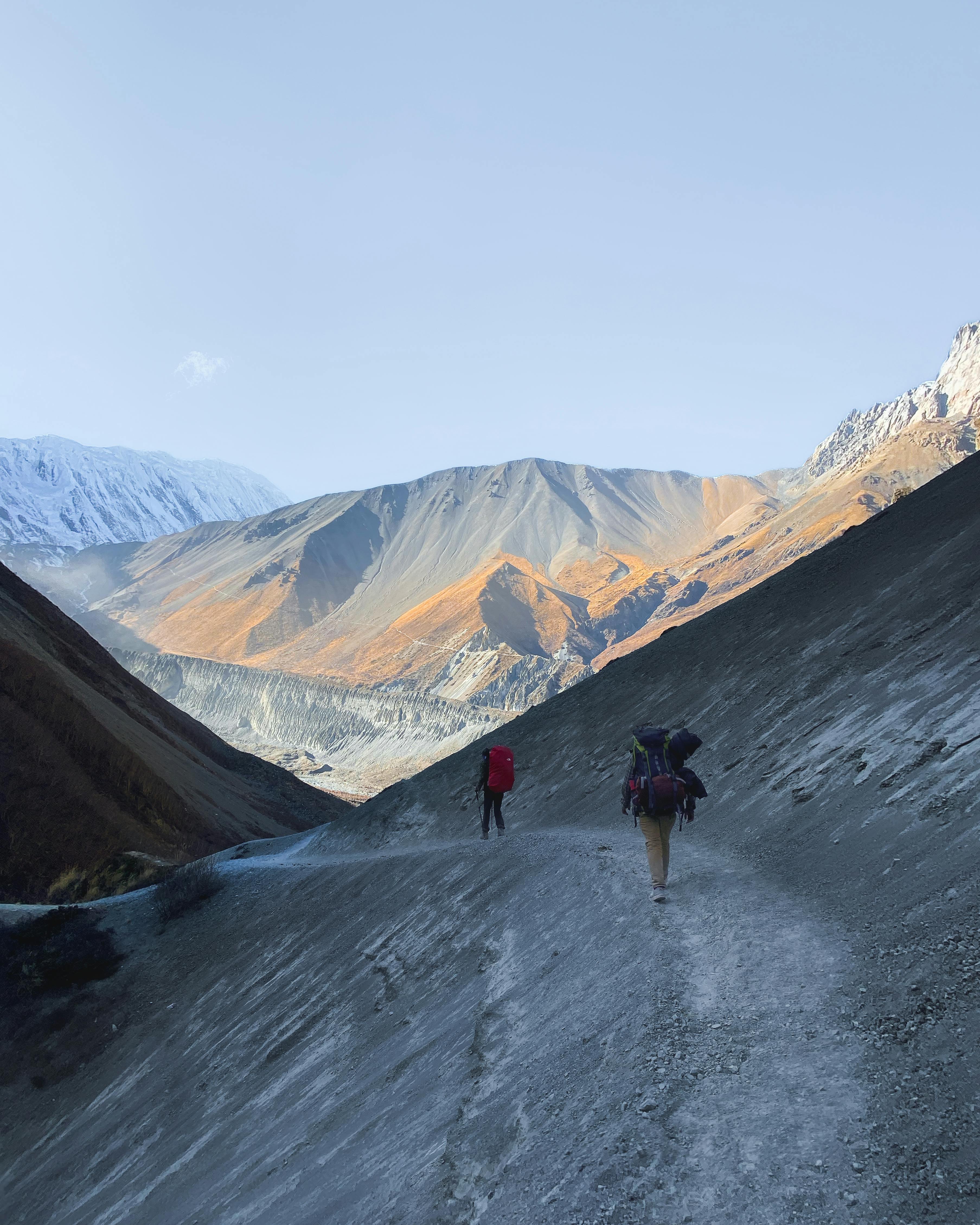
If you’re planning a trek in Nepal and want a safe, well-organized itinerary with proper acclimatization schedules, a professional local operator like EHT Travel can make a big difference in your experience.
Comments
Recent Posts