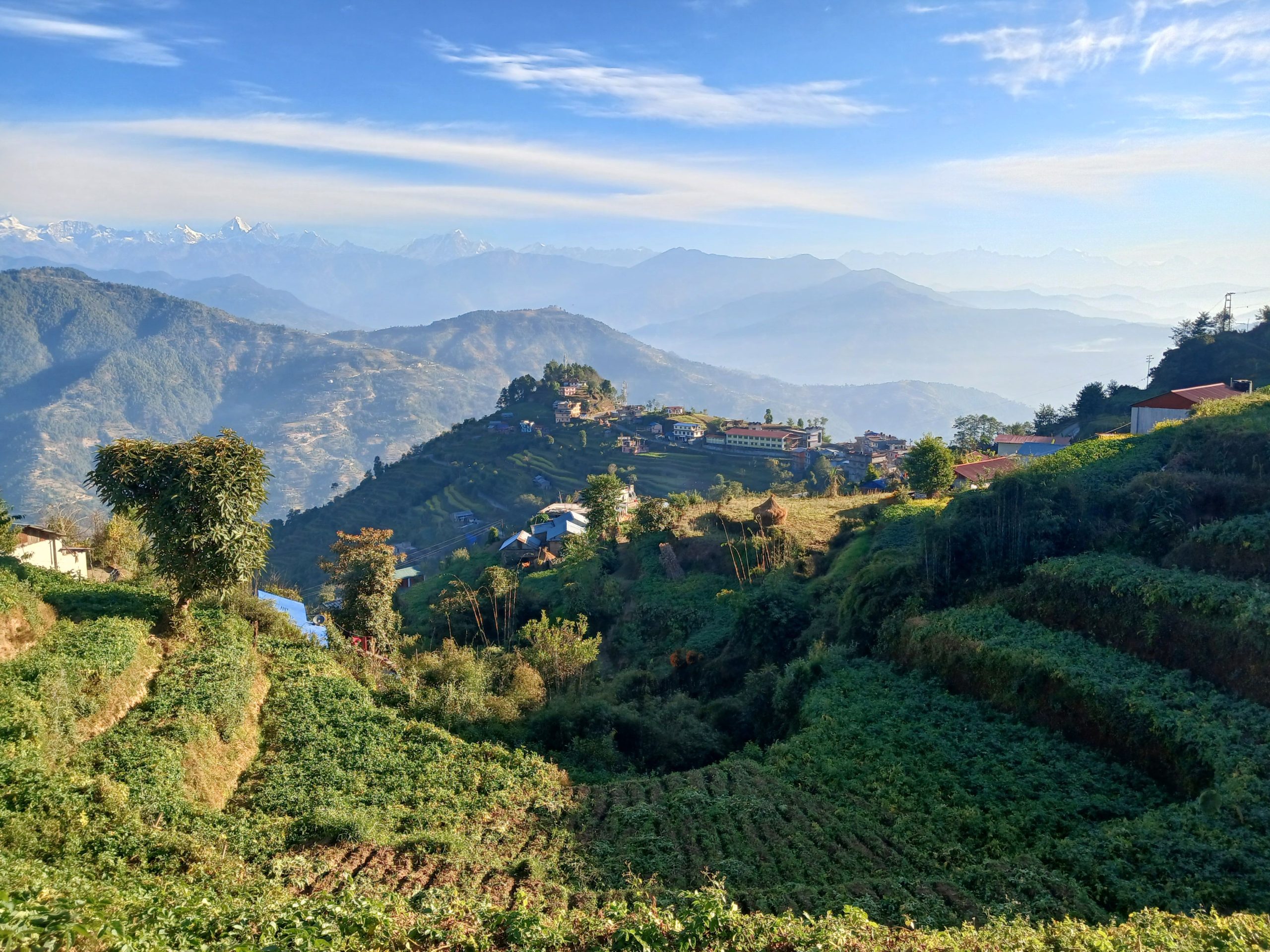
A Photographer’s Guide to Nepal: The Most Instagram-Worthy Locations
Nepal is a dream destination for photographers. While the country is renowned for the majestic Himalayas, its beauty extends far beyond snow-capped peaks. From centuries-old temples and UNESCO World Heritage Sites to emerald lakes, vibrant festivals, charming mountain villages, and wildlife-rich jungles, Nepal offers an incredible variety of photographic opportunities for every type of traveler.
Whether you’re carrying a professional DSLR, a mirrorless camera, a drone (where permitted), or simply your smartphone, Nepal rewards every photographer with unforgettable scenes. Golden sunrises illuminate the world’s highest mountains, colorful prayer flags flutter against blue skies, and bustling local markets provide endless opportunities for authentic street photography.
This guide explores some of Nepal’s most Instagram-worthy locations, complete with photography tips, the best time to visit, and what makes each destination unique. Whether you’re planning your first visit or returning to discover more, these destinations deserve a place on every photographer’s itinerary.
1. Nagarkot – Sunrise Above the Himalayas
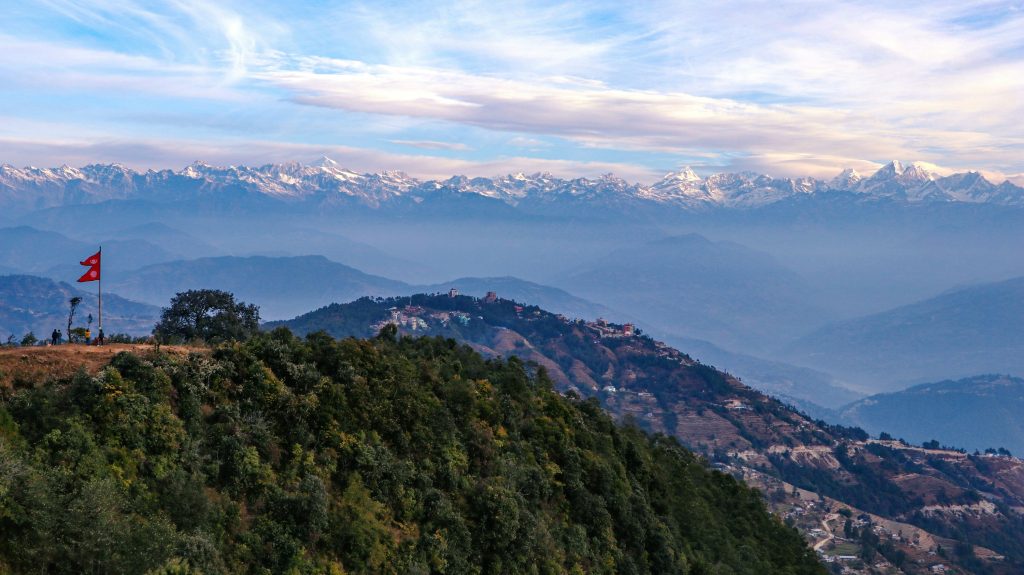
Few experiences in Nepal compare to watching the first rays of sunlight illuminate the Himalayan range from Nagarkot. Located approximately 32 kilometers east of Kathmandu, this peaceful hill station has long been one of Nepal’s most popular sunrise destinations.
On clear mornings, photographers are rewarded with sweeping panoramas stretching from the Langtang range in the west to the eastern Himalayas. During exceptional weather conditions, even Mount Everest can be seen on the distant horizon.
Morning mist drifting through valleys creates dramatic layers that add depth to landscape photographs, while changing light transforms the mountains from soft pastel hues to brilliant gold.
Best subjects to photograph
- Sunrise over the Himalayas
- Mountain silhouettes
- Rolling green hills
- Morning fog
- Village landscapes
Best season: October to April
Photography Tip: Arrive at least 45 minutes before sunrise to capture the changing colors of the sky during the blue hour.
2. Phewa Lake, Pokhara – Reflections of the Himalayas
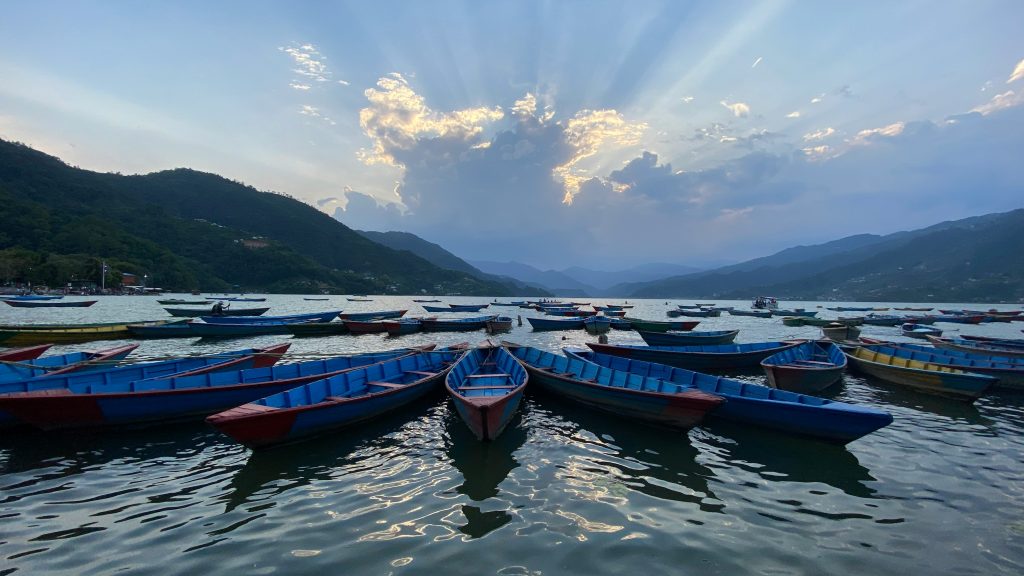
Pokhara is often called Nepal’s most picturesque city, and Phewa Lake is its crown jewel. Calm mornings create mirror-like reflections of the surrounding hills and the iconic Machhapuchhre (Fishtail Mountain), producing one of Nepal’s most recognizable landscapes.
Traditional wooden boats painted in vibrant colors drift peacefully across the lake, while cafés and walking paths along Lakeside provide endless opportunities for travel and lifestyle photography.
Sunrise offers calm waters and gentle light, while sunset bathes the lake in warm golden tones.
Best subjects to photograph
- Reflections of Machhapuchhre
- Colorful boats
- Lakeside cafés
- Sunset silhouettes
- Street scenes
Best season: October to May
Photography Tip: Visit before 8 AM for the smoothest water and the fewest crowds.
3. Boudhanath Stupa – Spiritual Beauty in Every Direction
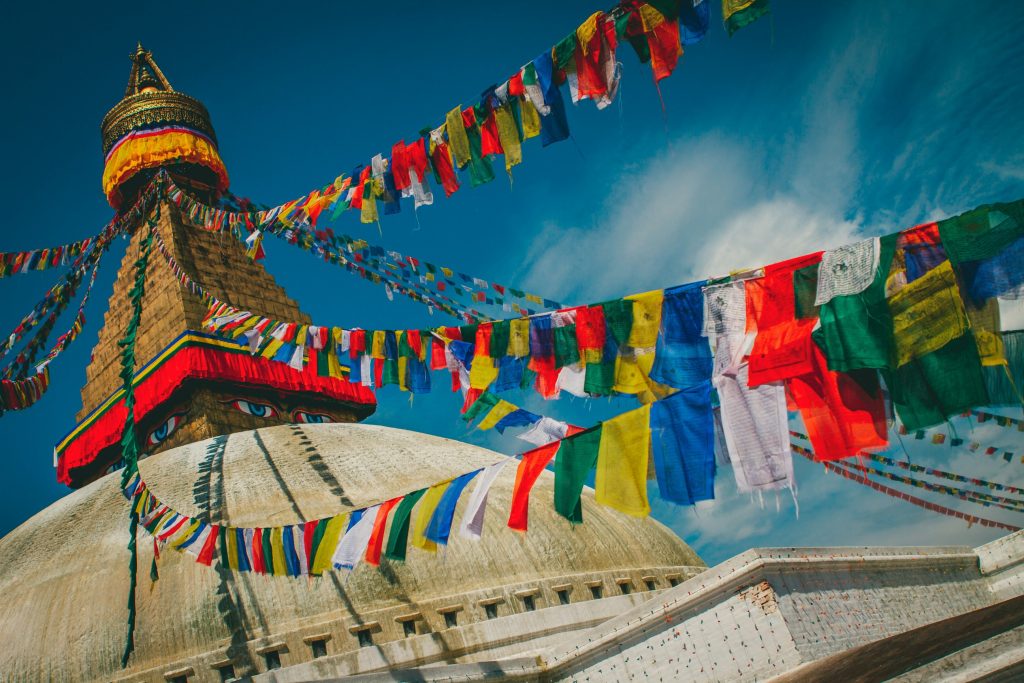
One of the largest Buddhist stupas in the world, Boudhanath is among Nepal’s most photogenic cultural landmarks. The massive white dome, crowned by the iconic Buddha eyes, is surrounded by colorful prayer flags, spinning prayer wheels, monasteries, and pilgrims walking clockwise around the stupa.
The atmosphere changes throughout the day, but golden hour before sunset is especially magical. Butter lamps begin to glow, monks chant evening prayers, and warm light enhances the white dome and surrounding buildings.
This is also an excellent location for storytelling photography, capturing daily life alongside centuries-old traditions.
Best subjects to photograph
- Prayer flags
- Monks
- Butter lamps
- Architecture
- Cultural portraits
- Evening atmosphere
Best season: Year-round
Photography Tip: Respect worshippers by photographing discreetly and asking permission before taking close-up portraits.
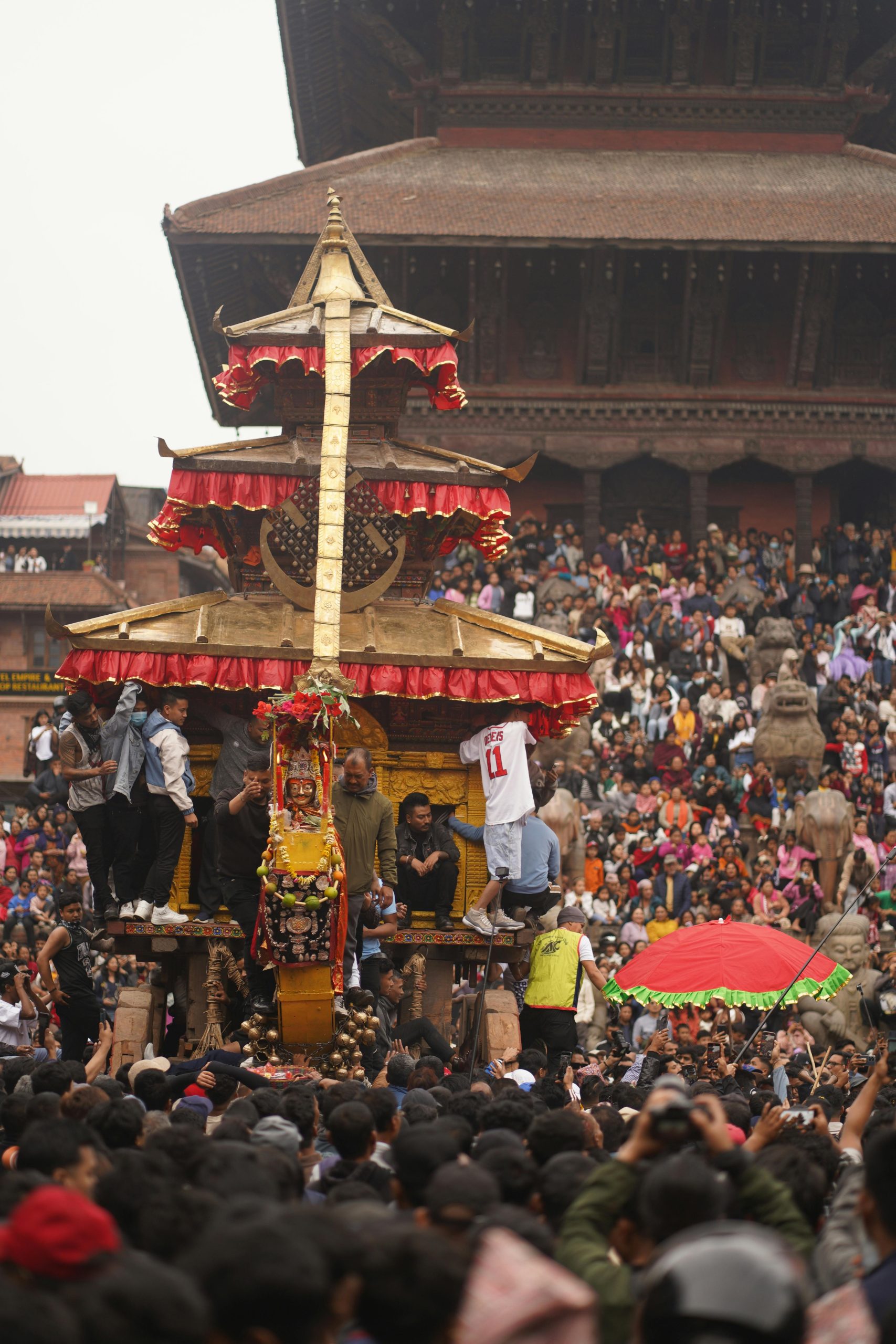
4. Bhaktapur Durbar Square – A Living Museum

Stepping into Bhaktapur feels like travelling back in time. The city’s beautifully preserved medieval architecture makes it one of Nepal’s finest locations for architectural and street photography.
Narrow brick alleys, intricately carved wooden windows, ancient temples, and bustling courtyards provide countless compositions. Pottery Square is particularly fascinating, where local artisans shape clay using techniques passed down through generations.
Morning light creates soft shadows across the city’s red-brick streets, while evenings bring warm golden tones that highlight the intricate craftsmanship.
Best subjects to photograph
- Traditional architecture
- Temple details
- Pottery making
- Local artisans
- Street life
- Historic courtyards
Best season: October to April
Photography Tip: Wander away from the main square to discover quieter streets filled with authentic everyday life.
5. Kala Patthar – Nepal’s Ultimate Mountain Photography Location
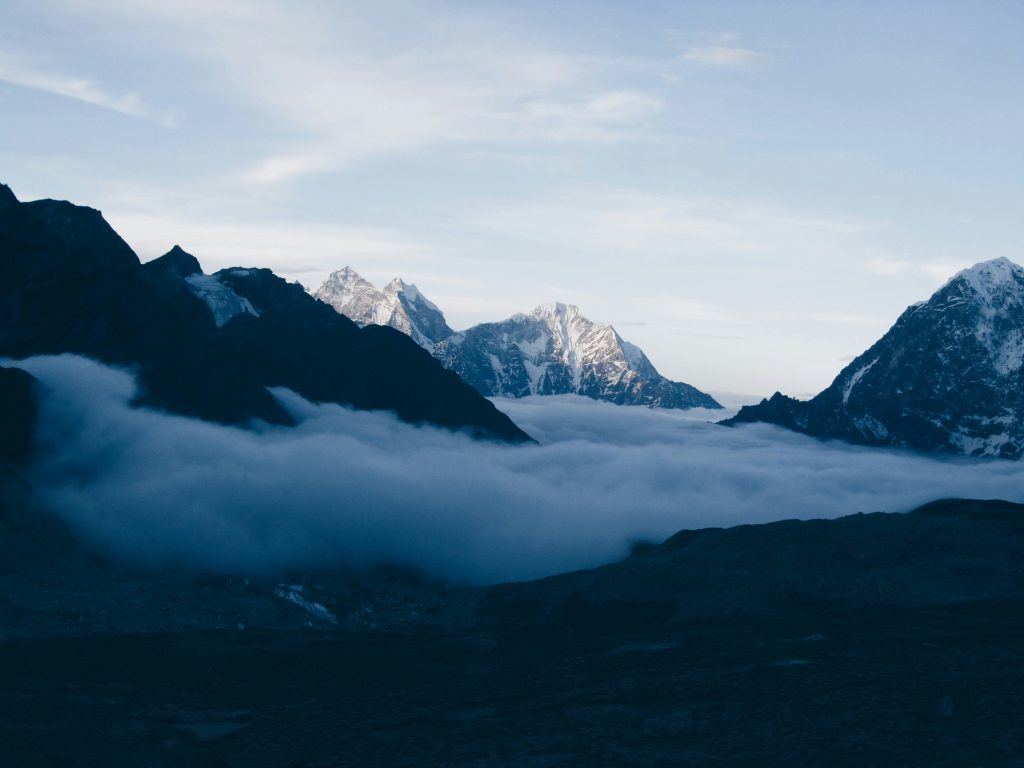
For many landscape photographers, reaching Kala Patthar is the ultimate reward. Situated at an altitude of 5,545 meters in the Everest region, this famous viewpoint offers one of the closest and most spectacular views of Mount Everest.
Unlike Everest Base Camp itself, Kala Patthar provides an unobstructed panorama featuring Everest alongside Nuptse, Lhotse, and Pumori. Sunrise transforms the surrounding peaks into glowing shades of orange and gold, creating unforgettable photographic opportunities.
The trek to this viewpoint is challenging, but every step is rewarded with breathtaking scenery.
Best subjects to photograph
- Mount Everest
- Himalayan panoramas
- Trekking trails
- Prayer flags
- Sunrise
- Snow-covered peaks
Best season: March to May and October to November
Photography Tip: Cold temperatures quickly drain camera batteries. Carry two or three spare batteries and keep them warm inside your jacket.
6. Chitwan National Park – Nepal’s Wildlife Paradise

Nepal isn’t just about mountains. Chitwan National Park showcases a completely different side of the country, where dense forests, grasslands, rivers, and wetlands support an extraordinary variety of wildlife.
Photographers may encounter the endangered greater one-horned rhinoceros, spotted deer, gharials, crocodiles, and hundreds of bird species. With patience and a little luck, it’s even possible to glimpse the elusive Bengal tiger.
Early morning jeep safaris provide soft natural light and increased wildlife activity, making this the ideal time for photography.
Best subjects to photograph
- Greater one-horned rhinoceros
- Exotic birds
- Crocodiles
- River landscapes
- Jungle scenery
- Sunset over the Rapti River
Best season: October to March
Photography Tip: A telephoto lens (200–400 mm or longer) is ideal for wildlife photography. Avoid using flash around animals, and always follow your guide’s instructions to ensure both your safety and the well-being of the wildlife.
7. Lumbini – The Birthplace of Lord Buddha
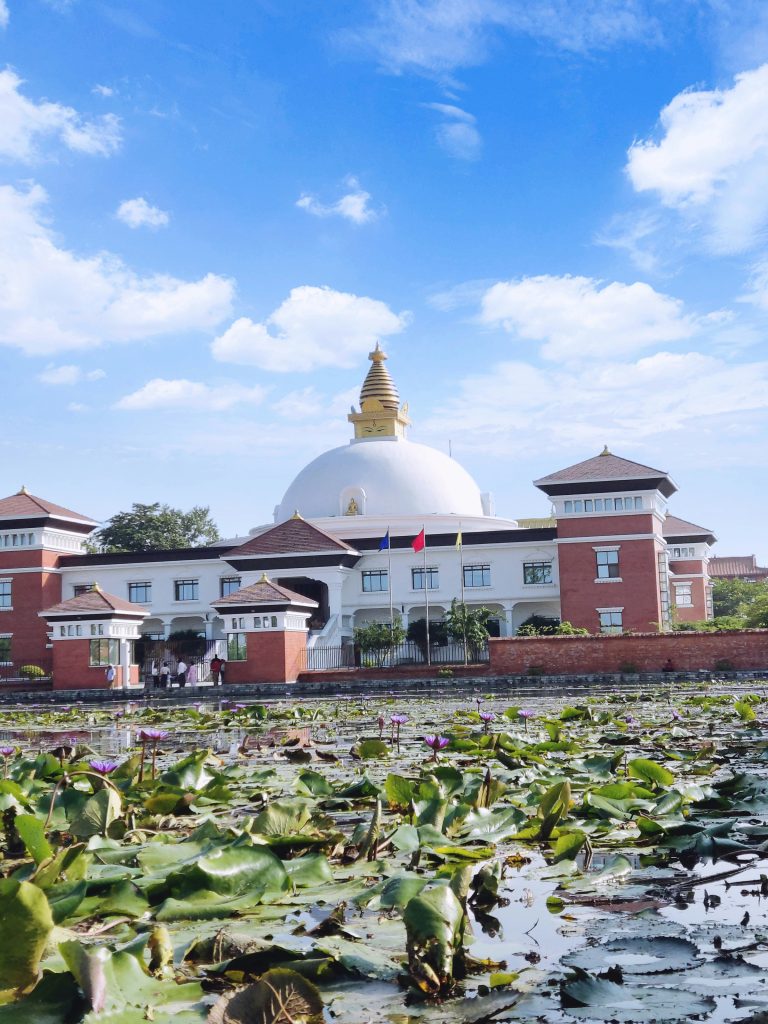
A place of profound spiritual significance, Lumbini offers photographers a peaceful atmosphere unlike anywhere else in Nepal. As the birthplace of Lord Buddha, this UNESCO World Heritage Site is home to the sacred Maya Devi Temple, tranquil gardens, meditation areas, and monasteries built by Buddhist communities from around the world.
Each monastery showcases a unique architectural style, from intricate Thai and Burmese designs to elegant Japanese and Tibetan influences. Reflection pools, colorful prayer flags, and beautifully landscaped gardens provide endless photographic opportunities.
The calm surroundings make Lumbini an excellent destination for capturing minimalist compositions, architectural details, and moments of quiet contemplation.
Best subjects to photograph
- Maya Devi Temple
- International monasteries
- Reflection pools
- Prayer flags
- Lotus flowers
- Monks and pilgrims (with permission)
Best season: October to March
Photography Tip: Visit early in the morning when the gardens are peaceful and the soft light enhances the white temples and surrounding greenery.
8. Bandipur – Nepal’s Hidden Hilltop Gem

Perched on a ridge between Kathmandu and Pokhara, Bandipur is one of Nepal’s best-preserved hill towns. Its cobblestone streets, beautifully restored Newari houses, and mountain views create a timeless atmosphere that photographers will love.
Unlike busier tourist destinations, Bandipur offers a slower pace of life. Morning walks reveal locals opening traditional shops, children walking to school, and farmers carrying fresh produce through quiet streets.
The town also provides stunning viewpoints overlooking the Marshyangdi Valley and, on clear days, the Annapurna and Manaslu mountain ranges.
Best subjects to photograph
- Traditional Newari architecture
- Cobblestone streets
- Mountain panoramas
- Local cafés
- Village life
- Sunrise and sunset viewpoints
Best season: October to April
Photography Tip: Explore the town on foot. Some of the most photogenic corners are hidden in small alleyways away from the main square.
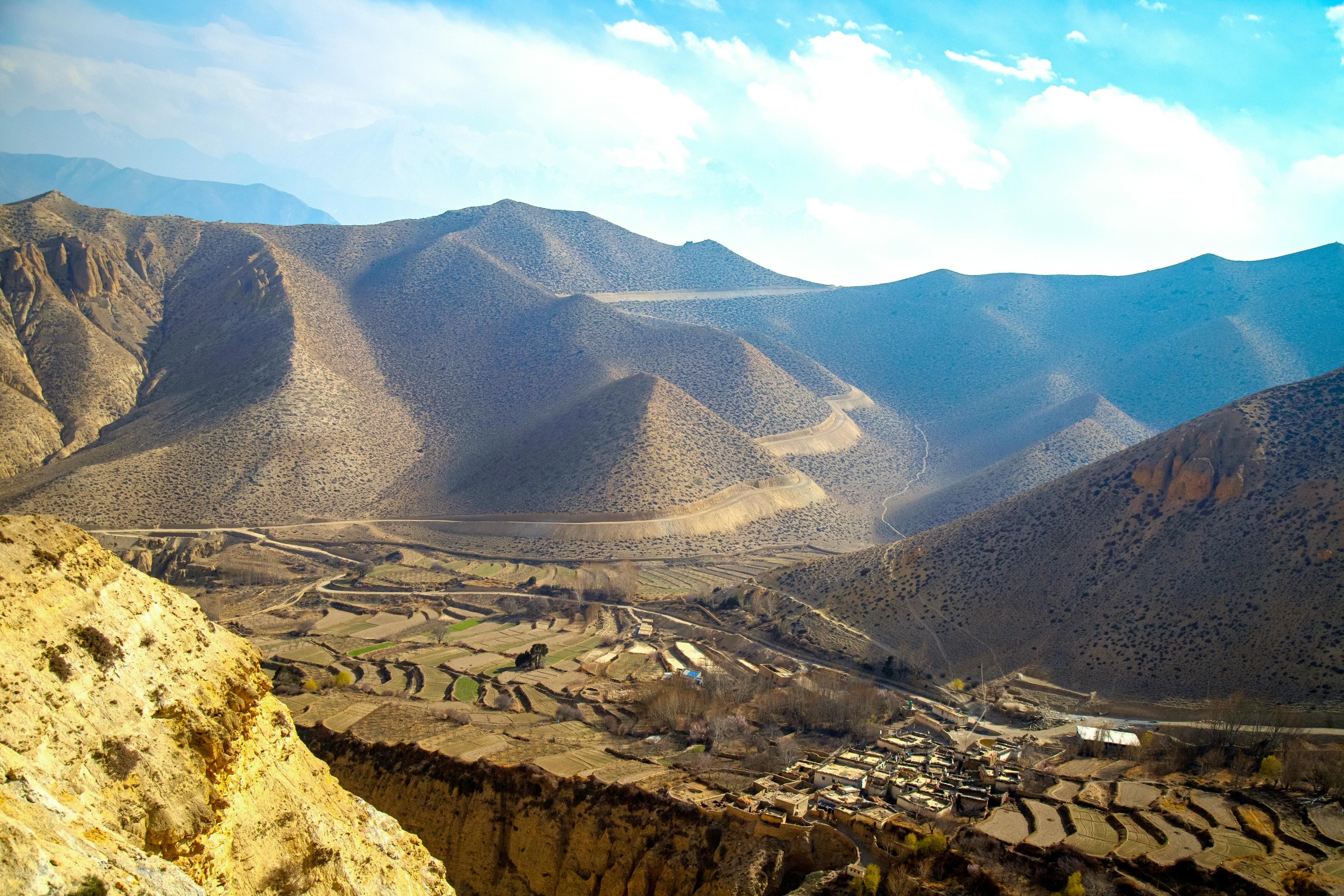
9. Upper Mustang – Nepal’s Hidden Himalayan Desert

Unlike the lush green hills often associated with Nepal, Upper Mustang presents a dramatic landscape of red cliffs, deep canyons, ancient cave dwellings, and centuries-old monasteries.
Often referred to as the “Last Forbidden Kingdom,” this remote region preserves Tibetan Buddhist traditions and offers some of the country’s most distinctive landscapes. The contrast between rugged desert terrain and vibrant monasteries creates spectacular photographic compositions.
Ancient villages such as Lo Manthang feature whitewashed houses, narrow lanes, and impressive palace walls that transport visitors back in time.
Best subjects to photograph
- Red rock formations
- Ancient monasteries
- Lo Manthang
- Prayer wheels
- Traditional Tibetan culture
- Wide desert landscapes
Best season: May to October
Photography Tip: A wide-angle lens works beautifully for capturing the vast landscapes, while a telephoto lens is ideal for highlighting distant monasteries against the cliffs.
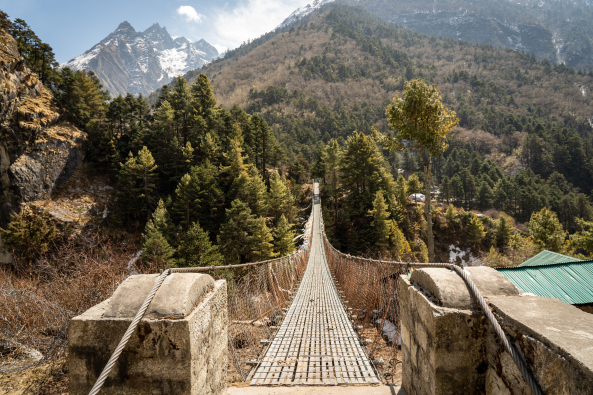
10. Suspension Bridges of the Himalayas
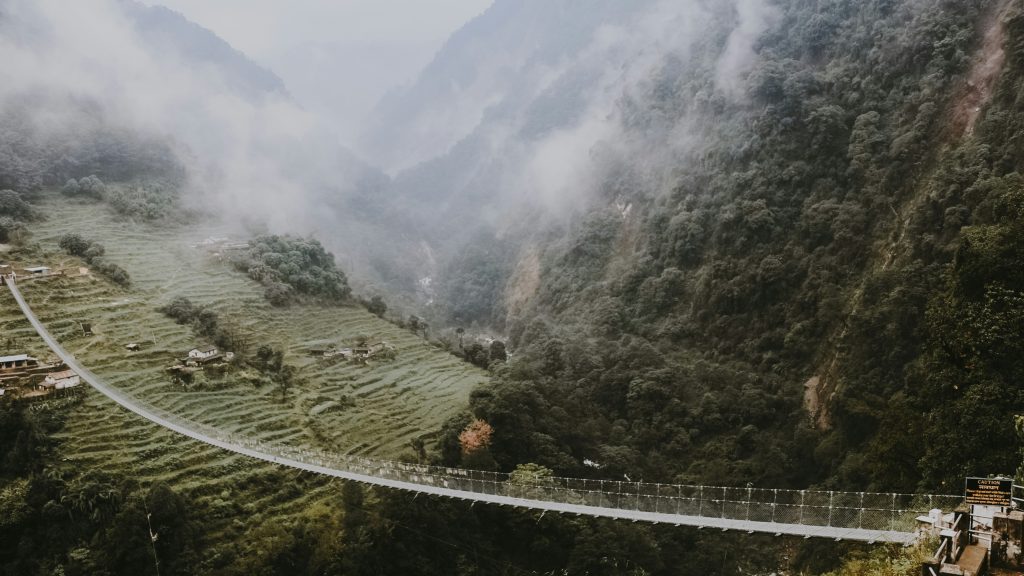
Crossing one of Nepal’s iconic suspension bridges is an unforgettable experience. Suspended high above roaring rivers and deep valleys, these engineering marvels provide dramatic perspectives that perfectly capture the adventurous spirit of Himalayan travel.
Many trekking routes throughout the Annapurna and Everest regions feature suspension bridges decorated with colorful prayer flags, creating vibrant compositions against mountain backdrops.
Photographers can experiment with different angles by shooting from the riverbanks, nearby hillsides, or the center of the bridge itself.
Best subjects to photograph
- Suspension bridges
- Rivers and waterfalls
- Trekking groups
- Mountain scenery
- Prayer flags
- Valley landscapes
Best season: Spring and autumn
Photography Tip: Include people crossing the bridge to add scale and emphasize the impressive size of the landscape.
11. Rhododendron Forests – Nepal in Bloom
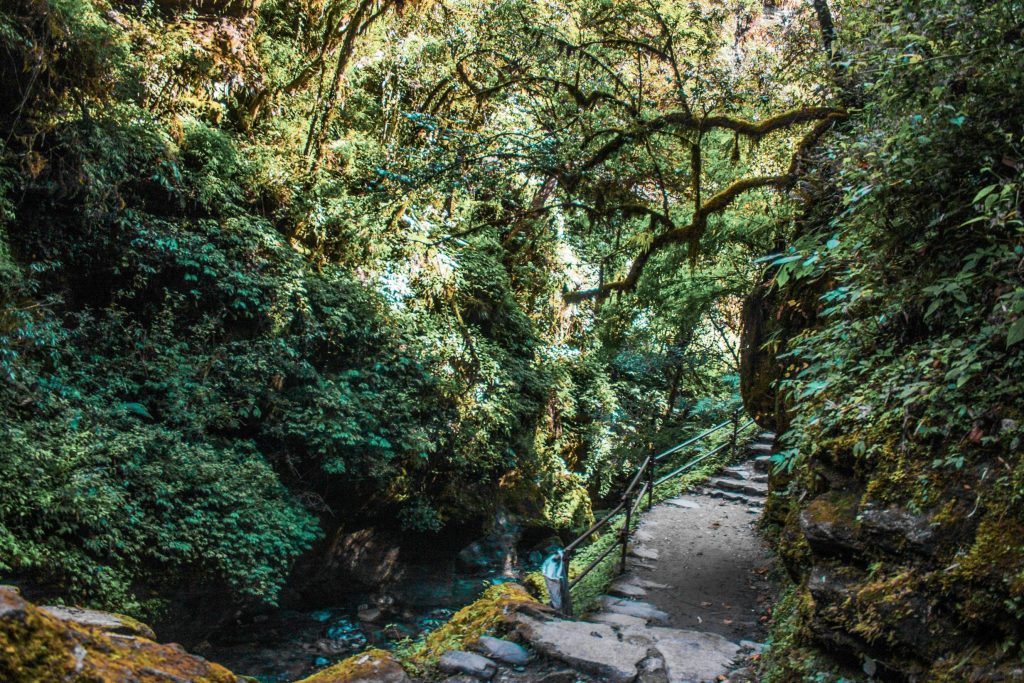
During spring, Nepal’s hills and mountains transform into a sea of color as rhododendron forests burst into bloom. As Nepal’s national flower, rhododendrons paint entire hillsides with brilliant shades of red, pink, and white.
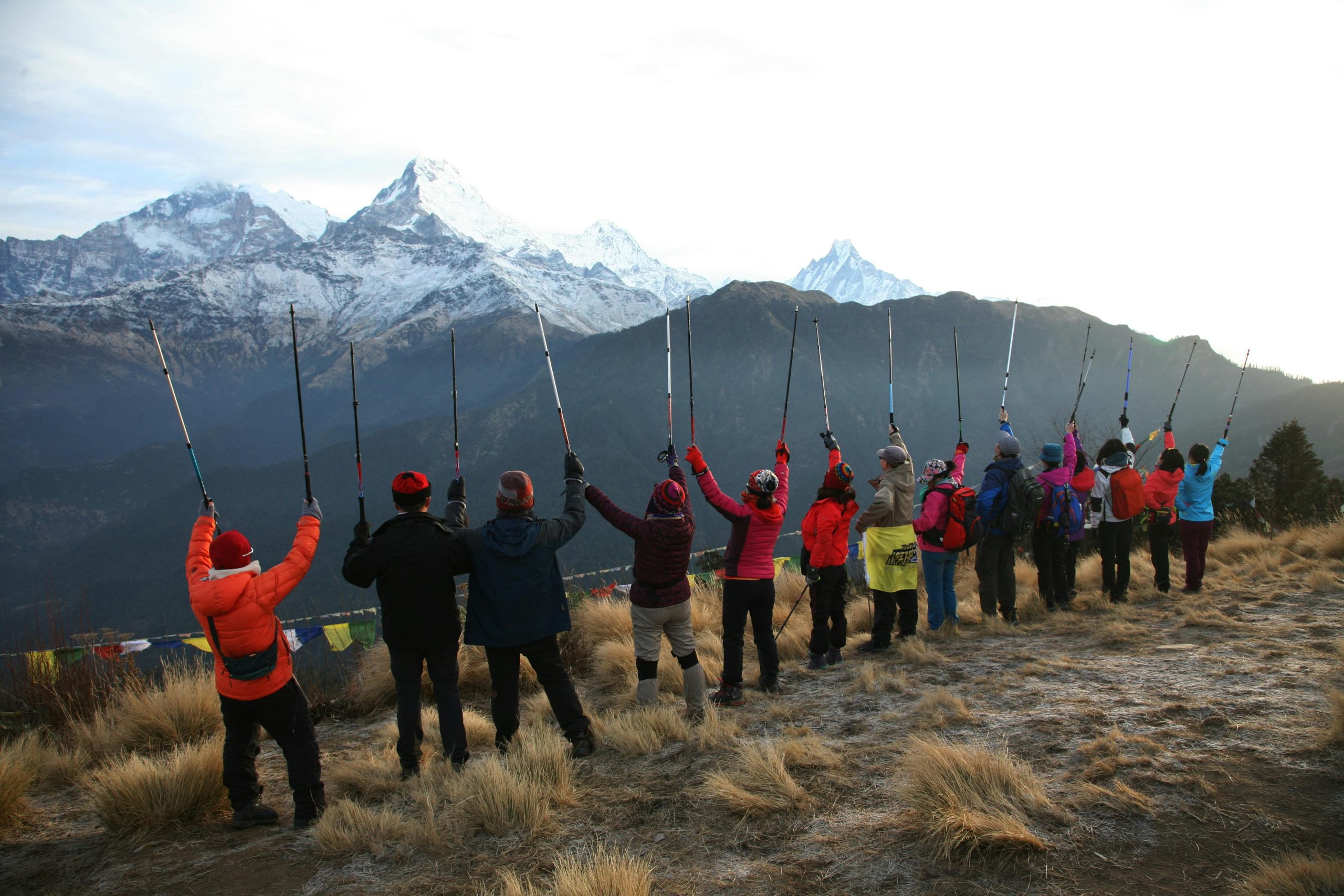
Popular trekking routes around Poon Hill, Ghorepani, and the Annapurna region become especially photogenic during March and April.
The colorful blossoms contrast beautifully with snow-capped peaks, creating one of Nepal’s most iconic spring landscapes.
Best subjects to photograph
- Rhododendron forests
- Forest trails
- Snow-covered mountains
- Wildflowers
- Traditional villages
- Mountain sunrises
Best season: March to April
Photography Tip: A polarizing filter helps enhance flower colors and deepen blue skies without oversaturating the scene.
12. Stargazing Above the Himalayas
When night falls in Nepal’s high mountain regions, the skies come alive with thousands of stars. Far from city lights, destinations such as the Everest region, Annapurna, Mustang, and Rara offer exceptional opportunities for astrophotography.
On clear nights, photographers can capture the Milky Way arching above Himalayan peaks, creating unforgettable images that showcase Nepal’s natural beauty after dark.
Astrophotography requires patience, but the results are well worth the effort.
Best subjects to photograph
- Milky Way
- Mountain silhouettes
- Star trails
- Campsites
- Snow-covered peaks at night
Best season: October to December
Photography Tip: Use a sturdy tripod, a wide-angle lens with a large aperture, and a remote shutter release to achieve sharp, noise-free images.
Photography Tips for Capturing Nepal
Whether you’re using a smartphone or a professional camera, thoughtful planning can make a significant difference to your photographs.
Chase the Golden Hour
The hour after sunrise and before sunset offers the softest light, richer colors, and longer shadows that add depth to landscapes and architecture.
Respect Local Culture
Nepal’s cultural diversity is one of its greatest treasures. Always ask permission before taking close-up photographs of people, particularly monks, artisans, and children. During religious ceremonies, remain respectful and avoid interrupting rituals.
Pack Smart
If you’re trekking, keep your gear lightweight. Consider carrying:
- A wide-angle lens for landscapes
- A zoom lens for wildlife and mountain details
- Extra batteries
- Plenty of memory cards
- A microfiber cloth for dust
- Rain protection for your camera during the monsoon season
Protect Your Equipment
Mountain weather can change quickly. Dust, cold temperatures, and occasional rain can affect camera performance, so store your equipment in weather-resistant bags and keep batteries warm in higher elevations.
Responsible Photography in Nepal
Beautiful photographs should never come at the expense of nature or local communities.
When photographing Nepal:
- Stay on marked trails to protect fragile ecosystems.
- Never feed or disturb wildlife.
- Avoid blocking pilgrims or worshippers at religious sites.
- Support local guides and community tourism initiatives.
- Leave natural and cultural sites exactly as you found them.
- Follow local regulations regarding drone use and obtain any required permissions before flying.
Responsible photography helps preserve Nepal’s landscapes, wildlife, and cultural heritage for future generations.
Best Time of Year for Photography in Nepal
While Nepal is photogenic throughout the year, each season offers unique opportunities.
Spring (March–May)
- Rhododendron blooms
- Clear mountain views
- Pleasant trekking weather
Summer/Monsoon (June–August)
- Lush green valleys
- Dramatic clouds
- Waterfalls at their fullest
- Fewer tourists
Autumn (September–November)
- Crystal-clear Himalayan panoramas
- Festivals such as Dashain and Tihar
- Ideal trekking conditions
Winter (December–February)
- Snow-covered mountain scenery
- Quiet heritage sites
- Crisp, clear skies
Conclusion
Nepal is far more than a destination, it’s a visual journey through towering Himalayan landscapes, centuries-old heritage, vibrant traditions, peaceful monasteries, thriving wildlife, and welcoming communities. Every region tells a different story, offering photographers endless opportunities to capture moments that are both breathtaking and meaningful.
Whether you’re watching the first light touch the peaks at Nagarkot, wandering the ancient streets of Bhaktapur, photographing rhinos in Chitwan, or gazing at a sky full of stars above the Himalayas, each experience reveals another side of Nepal’s remarkable beauty.
The best photographs are often created through patience, curiosity, and respect. Take time to connect with local people, travel responsibly, and appreciate the landscapes beyond the viewfinder. By doing so, you’ll return home not only with stunning images but also with unforgettable memories of one of the world’s most inspiring destinations.
Comments
Recent Posts