Hidden Temples of Nepal Worth Visiting: Sacred Gems Beyond the Tourist Trail (2026)
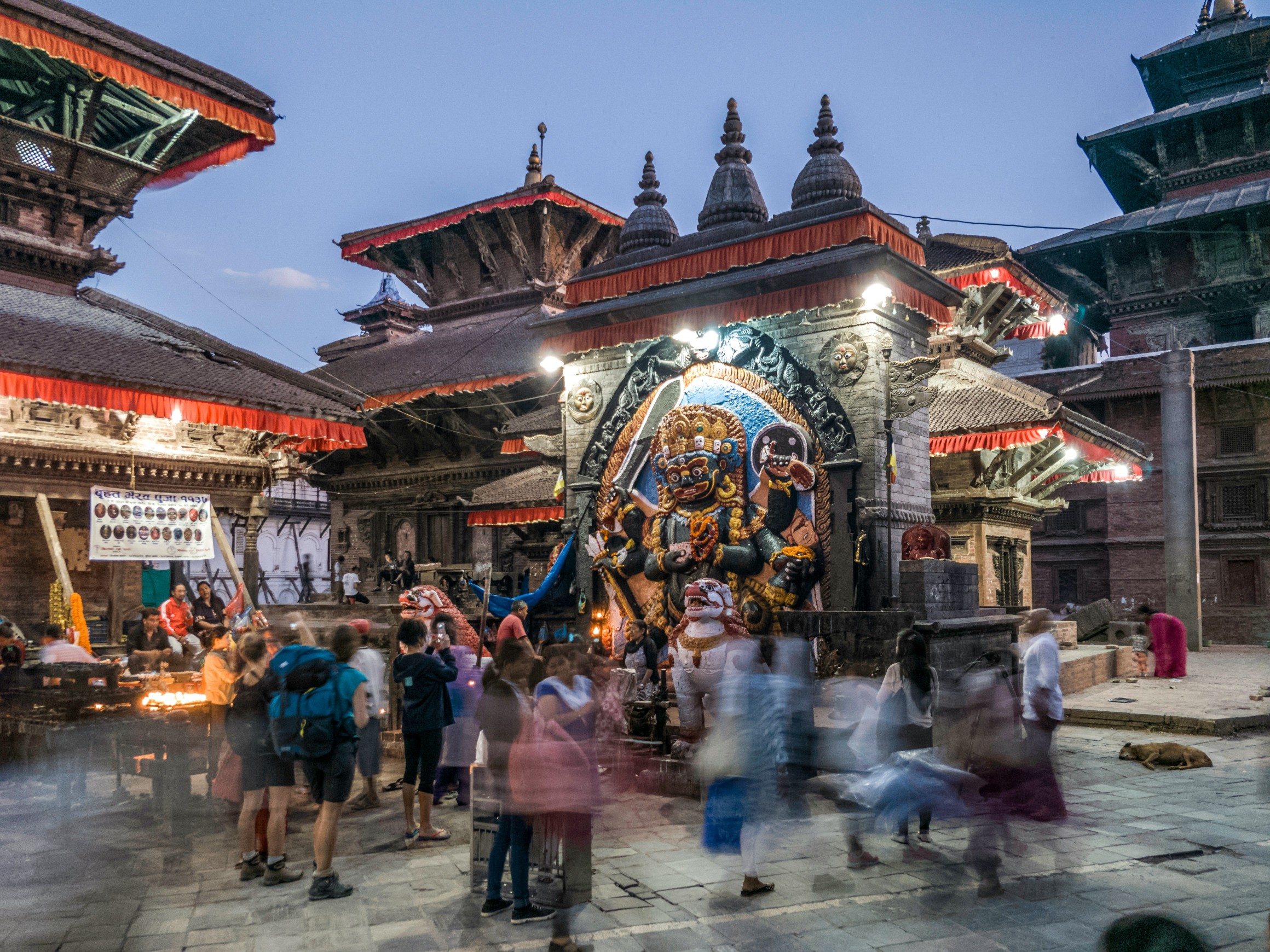
Nepal is often celebrated for iconic spiritual landmarks like Pashupatinath Temple and Boudhanath Stupa, attracting millions of pilgrims and travelers every year. While these famous sites deserve their global reputation, they are only a glimpse into Nepal’s remarkable spiritual heritage.
Across the country, hidden among ancient Newari towns, peaceful hillsides, dense forests, and remote mountain valleys, lie countless temples that remain relatively undiscovered by international visitors. These sacred places preserve centuries of history, remarkable craftsmanship, fascinating legends, and living traditions that continue to shape everyday life in Nepal.
Visiting these lesser-known temples offers something truly special. Instead of navigating large crowds, you’ll often find tranquil courtyards, welcoming local communities, and authentic cultural experiences that reveal Nepal’s spiritual soul in a deeply personal way.
Whether you’re a history enthusiast, a photographer, a pilgrim, or simply looking to explore beyond the usual tourist attractions, these hidden temples deserve a place on your Nepal itinerary.
1. Changunarayan Temple – Nepal’s Oldest Living Temple
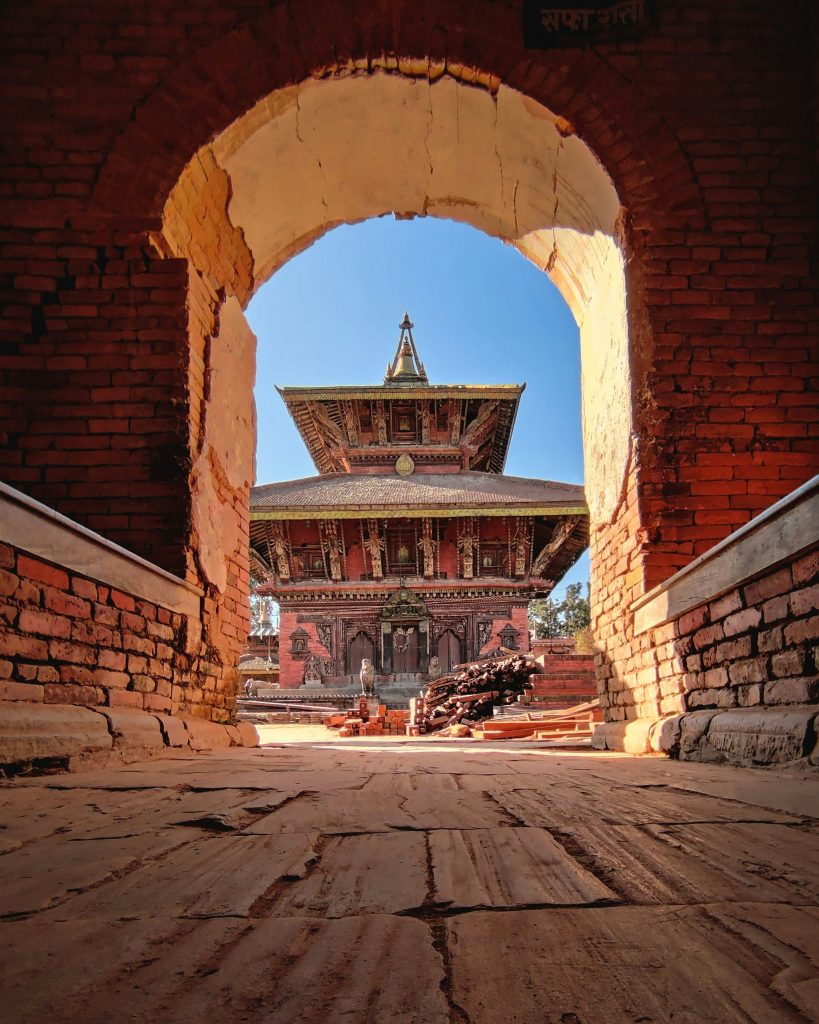
Perched on a quiet hilltop in Bhaktapur District, Changunarayan Temple is considered the oldest Hindu temple still in continuous use in Nepal. Dating back to the Licchavi period, the temple is dedicated to Lord Vishnu and is recognized as a UNESCO World Heritage Site.
Unlike many of Kathmandu Valley’s busier monuments, Changunarayan offers a peaceful atmosphere where visitors can appreciate centuries-old stone sculptures, beautifully carved wooden struts, and traditional Newari architecture without feeling rushed.
The surrounding village is equally charming, with narrow brick lanes, traditional homes, and local artisans preserving age-old craftsmanship.
Highlights
- Nepal’s oldest surviving Hindu temple
- Intricate stone and wood carvings
- Ancient inscriptions from the Licchavi era
- Traditional Newari settlement
- Peaceful cultural experience
Best time to visit: Early morning or late afternoon.
2. Budhanilkantha Temple – The Sleeping Lord Vishnu
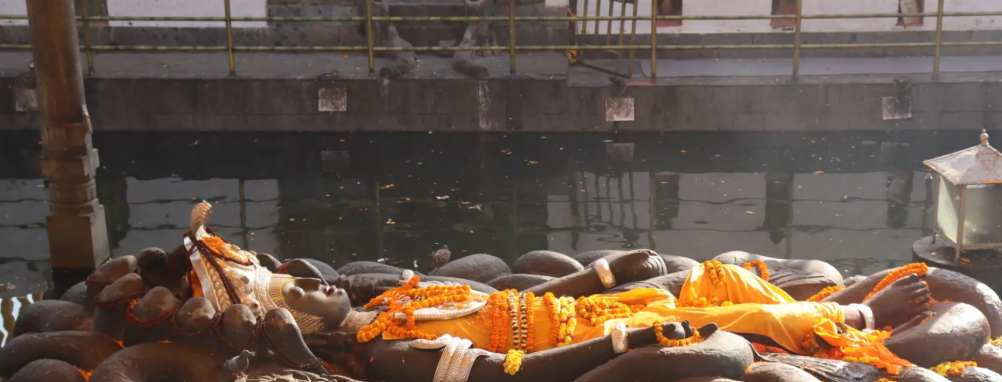
Located at the northern edge of Kathmandu, Budhanilkantha Temple houses one of Nepal’s most extraordinary religious sculptures—a magnificent reclining statue of Lord Vishnu resting upon the cosmic serpent Sheshanaga.
Carved from a single block of black stone, the statue measures approximately five meters in length and appears to float gracefully in a sacred pond.
Although the temple attracts many devotees, it remains quieter than Kathmandu’s larger pilgrimage sites, making it an excellent destination for travelers seeking a peaceful spiritual experience.
The surrounding greenery also provides a refreshing escape from the city’s bustle.
Highlights
- Massive monolithic Vishnu statue
- Sacred pond setting
- Beautiful mountain backdrop
- Ideal for peaceful reflection
Travel Tip: Visit before 9:00 AM to enjoy the calm atmosphere before larger crowds arrive.
3. Dakshinkali Temple – Nepal’s Sacred Goddess Temple
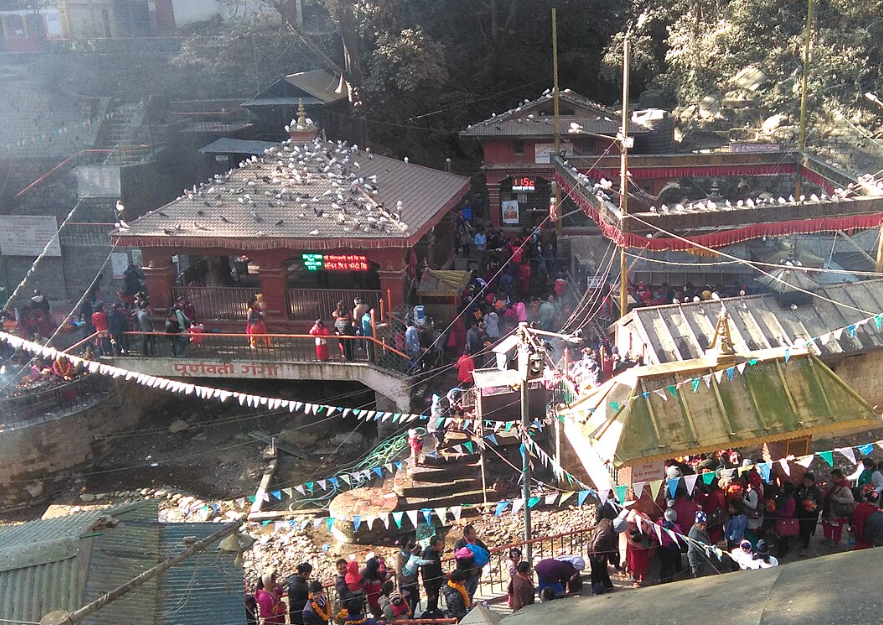
Approximately 22 kilometers south of Kathmandu lies Dakshinkali Temple, dedicated to Goddess Kali, one of Hinduism’s most revered deities.
Nestled within forested hills, the temple combines spiritual importance with natural beauty. Local pilgrims frequently visit to offer prayers, particularly on Tuesdays and Saturdays, which are considered especially auspicious.
The journey itself is rewarding, taking visitors through scenic countryside and small villages before arriving at the temple complex.
Beyond its religious significance, Dakshinkali provides an opportunity to witness traditional Nepalese devotional practices in an authentic setting.
Highlights
- Dedicated to Goddess Kali
- Beautiful forest surroundings
- Scenic drive from Kathmandu
- Important pilgrimage destination
Visitor Tip: Dress modestly and be respectful during religious ceremonies, especially during festival periods.
4. Manakamana Temple – The Goddess Who Grants Wishes

Few temple journeys in Nepal are as memorable as the trip to Manakamana Temple.
Situated atop a hill in Gorkha District, the temple is reached via Nepal’s famous cable car, which glides above the Trishuli River and offers breathtaking views of lush hills, rivers, and distant Himalayan peaks.
Dedicated to Goddess Bhagwati, Manakamana is believed to fulfill the sincere wishes of devotees.
The vibrant marketplace surrounding the temple provides visitors with an opportunity to experience local cuisine, handicrafts, and traditional village life.
Highlights
- Spectacular cable car ride
- Stunning Himalayan scenery
- Sacred pilgrimage destination
- Local markets and authentic culture
Best Time: October to April for clear mountain views.
5. Pathibhara Devi Temple – A Spiritual Journey in Eastern Nepal
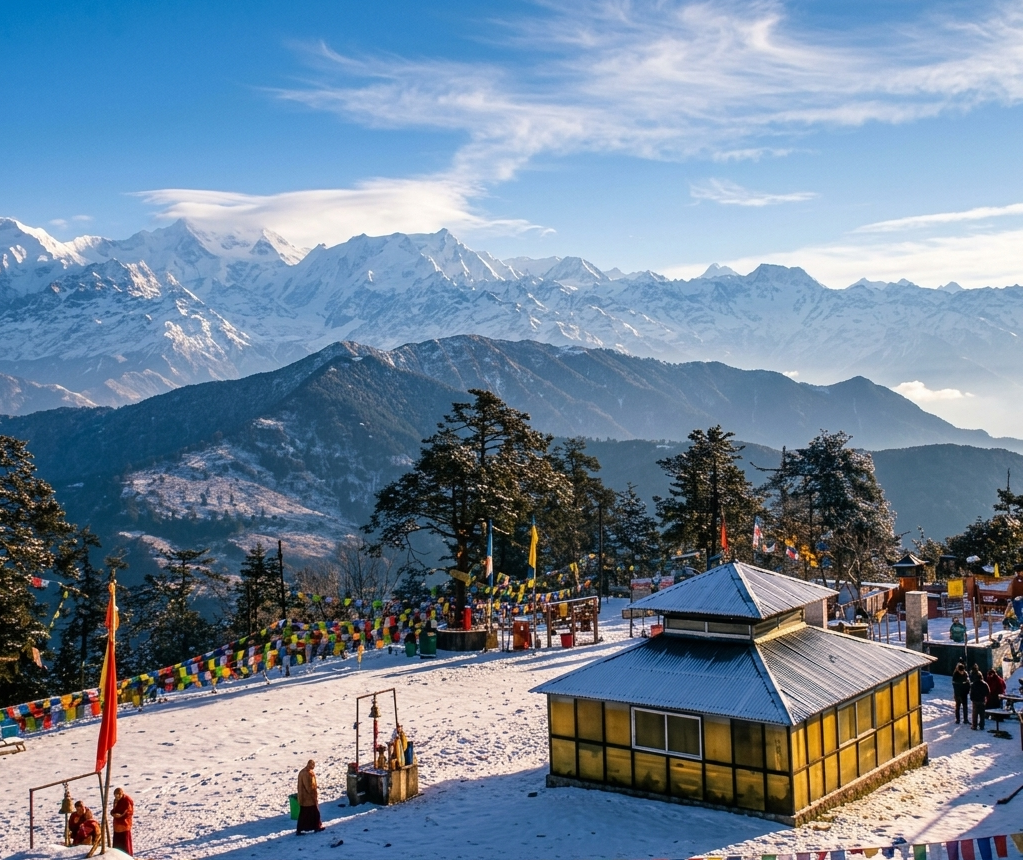
Located high in the hills of Taplejung District, Pathibhara Devi Temple is among eastern Nepal’s most sacred pilgrimage destinations.
Reaching the temple involves a rewarding trek through rhododendron forests, mountain villages, and breathtaking Himalayan landscapes. Pilgrims from Nepal and neighboring India visit throughout the year to seek blessings for health, prosperity, and success.
The peaceful surroundings, crisp mountain air, and panoramic views make the journey equally rewarding for trekkers and nature lovers.
Because of its relatively remote location, Pathibhara offers one of Nepal’s most authentic spiritual experiences away from mainstream tourist routes.
Highlights
- Important pilgrimage site
- Scenic mountain trek
- Magnificent Himalayan panoramas
- Rich local traditions
Travel Tip: Wear comfortable trekking shoes and allow sufficient time to acclimatize if combining your visit with other eastern Nepal adventures.
Practical Tips for Visiting Nepal’s Hidden Temples
To make your visit both respectful and enjoyable, keep these simple guidelines in mind:
- Dress modestly by covering your shoulders and knees.
- Remove your shoes before entering temple buildings where required.
- Always ask permission before photographing worshippers or religious ceremonies.
- Carry small denominations of Nepalese Rupees for donations or offerings.
- Visit early in the morning for a quieter and more peaceful experience.
- Respect local customs, rituals, and restricted areas within temple grounds.
- Support nearby local businesses by purchasing handicrafts or enjoying traditional meals.
- Leave no litter behind and help preserve these sacred places for future generations.
Nepal’s temples are not just historical monuments—they are living places of worship that continue to play an essential role in the daily lives of local communities. Showing respect for local traditions helps create meaningful cultural exchanges and ensures these treasured sites remain welcoming for future visitors.
6. Halesi Mahadev Temple – Where Three Faiths Meet

Hidden within the hills of Khotang District, Halesi Mahadev Temple is one of Nepal’s most unique spiritual destinations. Unlike traditional temples, Halesi is a sacred cave complex revered by Hindus, Buddhists, and followers of the Kirat religion, making it a remarkable symbol of Nepal’s religious harmony.
Hindus believe the cave is where Lord Shiva hid from the demon Bhasmasura, while Buddhists associate it with Guru Padmasambhava (Guru Rinpoche), who is said to have meditated here. The cave’s natural rock formations, peaceful atmosphere, and spiritual significance make it an unforgettable place to visit.
Highlights
- Sacred to Hindus, Buddhists, and Kirat followers
- Ancient cave temple with fascinating legends
- Peaceful natural surroundings
- Important pilgrimage destination in eastern Nepal
Travel Tip: Halesi can be combined with a cultural journey through eastern Nepal for travelers looking to explore beyond the usual tourist routes.
7. Bindhyabasini Temple – A Hilltop Sanctuary in Pokhara
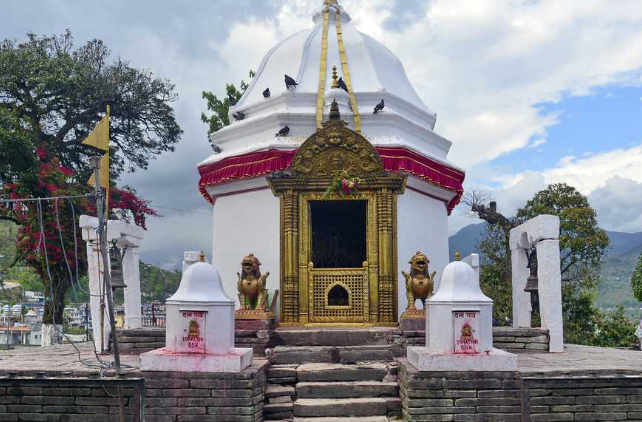
Located in the heart of Pokhara, Bindhyabasini Temple is one of the city’s oldest and most cherished temples. Dedicated to Goddess Bhagwati, the temple sits atop a small hill offering beautiful views of the surrounding city and, on clear days, the majestic Annapurna range.
Unlike some of Nepal’s busier religious sites, Bindhyabasini provides a calm and welcoming atmosphere. Local families frequently visit to pray, celebrate festivals, and mark important life events, giving visitors a glimpse into everyday spiritual life.
Highlights
- One of Pokhara’s oldest temples
- Beautiful mountain views
- Traditional pagoda-style architecture
- Peaceful and family-friendly atmosphere
Best Time to Visit: Early morning when the temple is at its most serene.
8. Tal Barahi Temple – The Island Temple of Phewa Lake
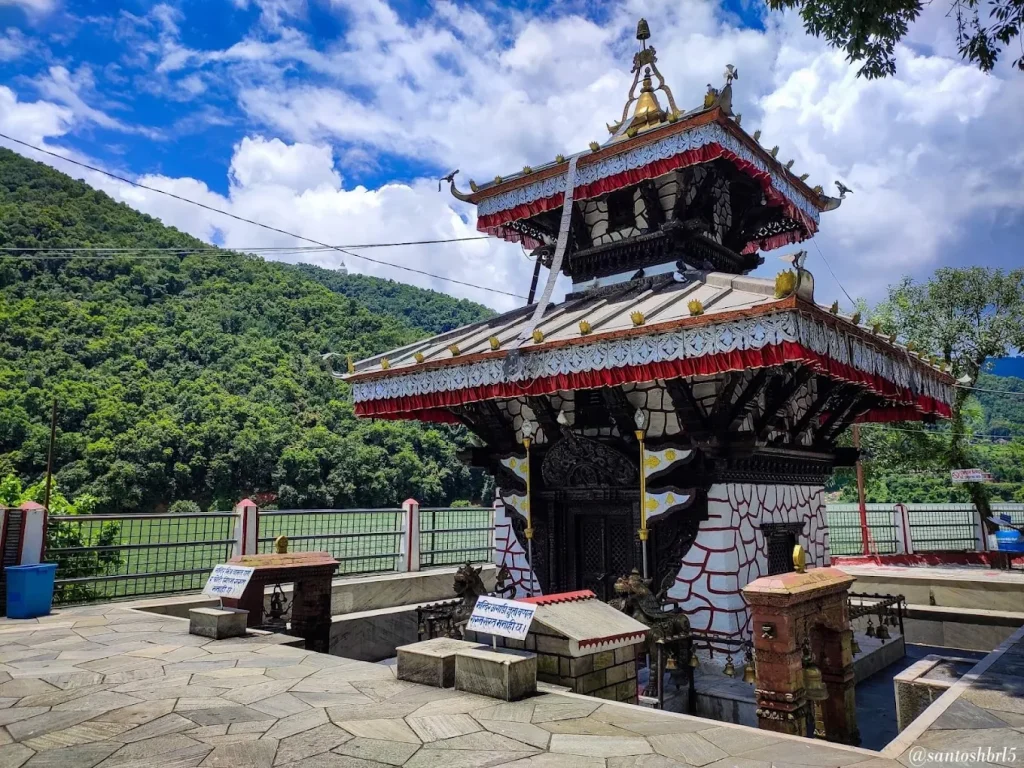
Few temples in Nepal enjoy a setting as picturesque as Tal Barahi Temple. Situated on a small island in the middle of Phewa Lake, this two-story pagoda-style temple is accessible only by boat, making the journey as memorable as the destination itself.
Dedicated to Goddess Barahi, the temple is a popular place of worship for both locals and visitors. Surrounded by calm waters and framed by the Annapurna Mountains, it is one of Pokhara’s most photographed landmarks.
Whether you visit at sunrise, during the golden light of sunset, or while enjoying a leisurely boat ride, Tal Barahi offers a unique blend of spirituality and natural beauty.
Highlights
- Located on an island in Phewa Lake
- Accessible only by traditional boat
- Stunning reflections and mountain scenery
- Excellent photography location
9. Dantakali Temple – A Sacred Shakti Peetha
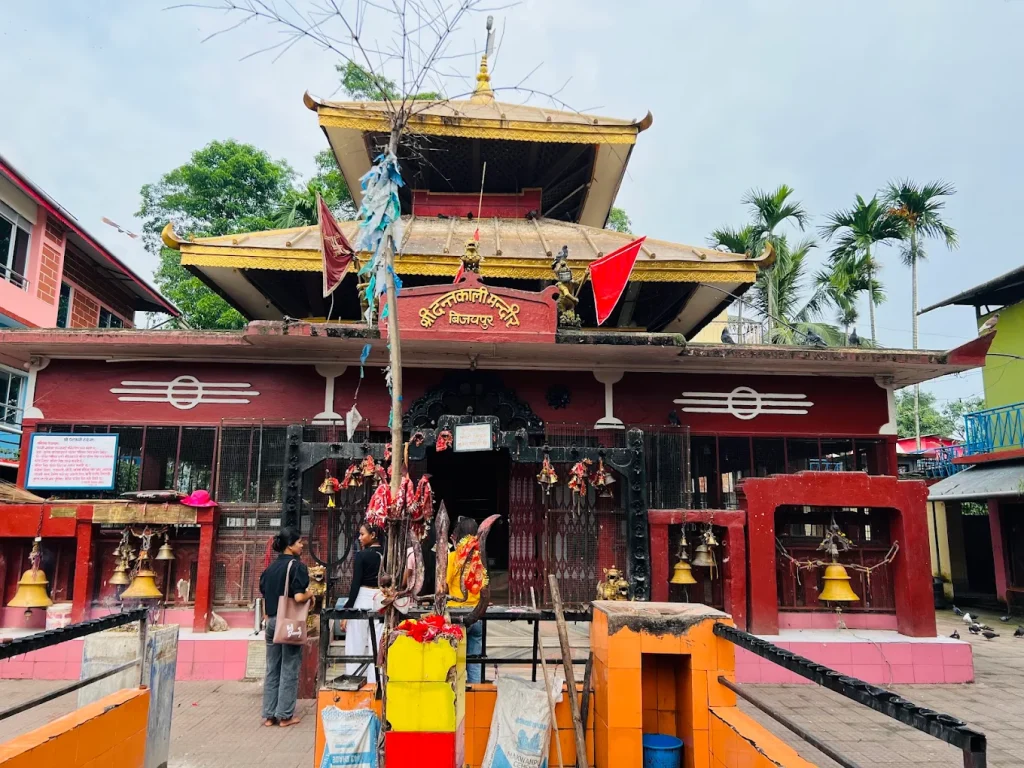
Located in the vibrant city of Dharan, Dantakali Temple is one of Nepal’s important Shakti Peethas. According to Hindu tradition, it marks the place where the tooth (“danta”) of Goddess Sati fell, making it a deeply revered pilgrimage site.
The temple attracts devotees throughout the year, especially during Dashain and other major festivals, when the atmosphere becomes particularly vibrant. Surrounded by lush hills and lively local markets, Dantakali offers visitors a rich cultural experience beyond the temple itself.
Highlights
- One of Nepal’s sacred Shakti Peethas
- Strong local religious traditions
- Easy access from Dharan
- Colorful festivals and celebrations
10. Guhyeshwari Temple – A Sacred Site Beside Pashupatinath
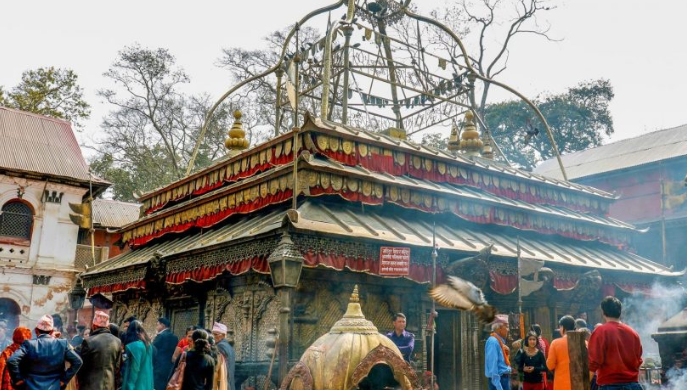
Just a short walk from the famous Pashupatinath Temple lies Guhyeshwari Temple, one of the most important Shakti temples in Nepal. Although many visitors overlook it, Guhyeshwari holds immense spiritual significance and is an essential pilgrimage destination for devotees of the Divine Mother.
The temple’s peaceful surroundings and centuries-old traditions provide a meaningful contrast to the larger crowds often found nearby. Visiting both Guhyeshwari and Pashupatinath offers a deeper understanding of Nepal’s rich Hindu heritage.
Highlights
- Important Shakti temple
- Close to Pashupatinath Temple
- Rich Tantric traditions
- Peaceful spiritual atmosphere
Frequently Asked Questions
Which hidden temple is best for first-time visitors?
Changunarayan Temple is an excellent choice thanks to its UNESCO recognition, beautiful architecture, and peaceful surroundings. Tal Barahi Temple in Pokhara is another favorite because of its scenic location.
Are these temples suitable for families?
Yes. Most of the temples featured in this guide are family-friendly and can be visited by travelers of all ages. Parents should simply ensure children respect local customs and dress appropriately.
Do I need an entrance ticket?
Many temples are free to enter, although some may charge a small fee for foreign visitors or have separate charges for nearby heritage areas.
What should I wear?
Modest clothing is recommended. Cover your shoulders and knees, remove your shoes where required, and always follow local customs.
When is the best time to visit?
The best seasons are spring (March to May) and autumn (September to November), when the weather is pleasant and skies are usually clear.
Final Thoughts
Nepal’s hidden temples are far more than historic monuments—they are living expressions of faith, culture, and community. While famous landmarks deserve their place on every itinerary, venturing beyond the well-known sites allows you to discover quieter courtyards, remarkable craftsmanship, centuries-old traditions, and genuine encounters with local life.
From the ancient stone carvings of Changunarayan and the tranquil waters surrounding Tal Barahi to the sacred caves of Halesi Mahadev and the panoramic beauty of Pathibhara, each temple tells its own story. Together, they reveal a side of Nepal that many travelers never experience.
If you’re planning a cultural journey through Nepal, consider including a few of these hidden gems in your itinerary. They offer not only unforgettable memories but also a deeper appreciation for the country’s remarkable spiritual heritage.
Explore Nepal’s Sacred Heritage with EHT Travel
At EHT Travel, we’ve been creating unforgettable journeys since 1997. Our experienced team designs tailor-made cultural tours that combine Nepal’s iconic landmarks with hidden treasures, giving you an authentic and enriching travel experience.
Whether you’re interested in heritage tours, pilgrimage journeys, photography trips, or customized holidays, we’ll help you discover Nepal beyond the guidebooks.
Contact EHT Travel today and let us create your perfect cultural adventure through the hidden temples of Nepal.
Comments
Recent Posts