The Living Goddess Kumari: History, Traditions & Where to See Her in Nepal
Few traditions in the world are as unique and captivating as Nepal’s Living Goddess Kumari. Revered as a living embodiment of divine power, the Kumari is one of the country’s most remarkable cultural and spiritual symbols. For centuries, both locals and visitors have been fascinated by this ancient tradition that blends mythology, religion, and royal history.
Whether you’re exploring Kathmandu’s historic Durbar Square or seeking to understand Nepal’s rich heritage, learning about the Kumari offers a deeper appreciation of the country’s living traditions.
Who Is the Living Goddess Kumari?
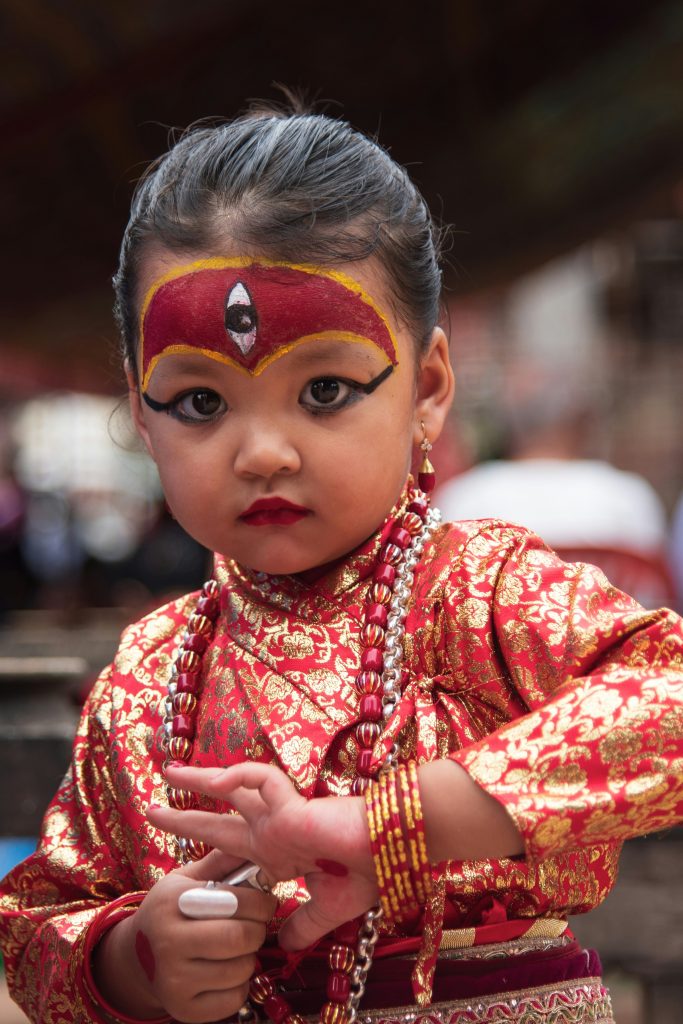
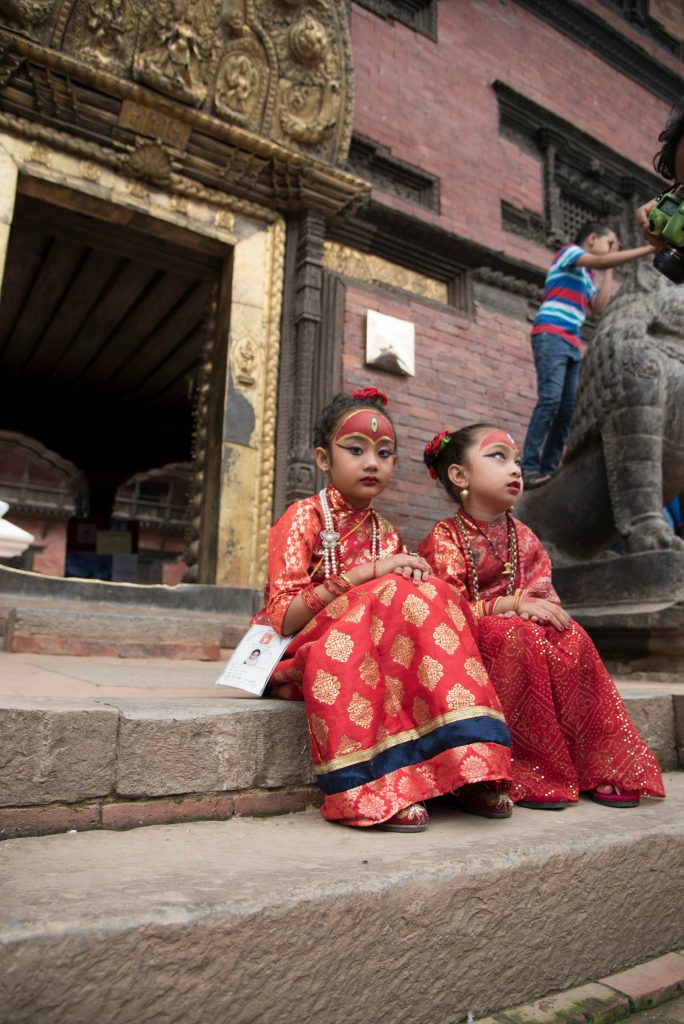
The Kumari is a young girl believed to embody the Hindu goddess Taleju Bhawani. Although the tradition is rooted in Hinduism, it is deeply respected by both Hindus and Buddhists in Nepal, making it a powerful symbol of religious harmony.
The most well-known Kumari resides in Kathmandu Kumari Ghar. This is where the Goddess lives until she reaches puberty or experiences a natural event such as losing a baby tooth or a significant injury. At that point, a new Kumari is chosen through an elaborate selection process.
The History Behind the Kumari Tradition

The origins of the Kumari tradition date back several centuries to the Malla Kingdom of Kathmandu.
According to legend, Goddess Taleju would visit King Jaya Prakash Malla each night to advise him while they played a game. The goddess warned the king never to reveal these meetings. One evening, curiosity overcame the queen given the King’s sudden disappearances, who secretly observed them. Feeling betrayed, the Goddess Taleju declared she would return only in the form of a young girl from the Newar community and disappeared thereafter.
Since then, the tradition of selecting a Living Goddess has continued through Nepal’s various ruling dynasties, including the Shah kings.
Historically, Nepal’s kings sought the Kumari’s blessing before important ceremonies and national events, believing her divine presence brought prosperity and protection.
How Is the Kumari Selected?
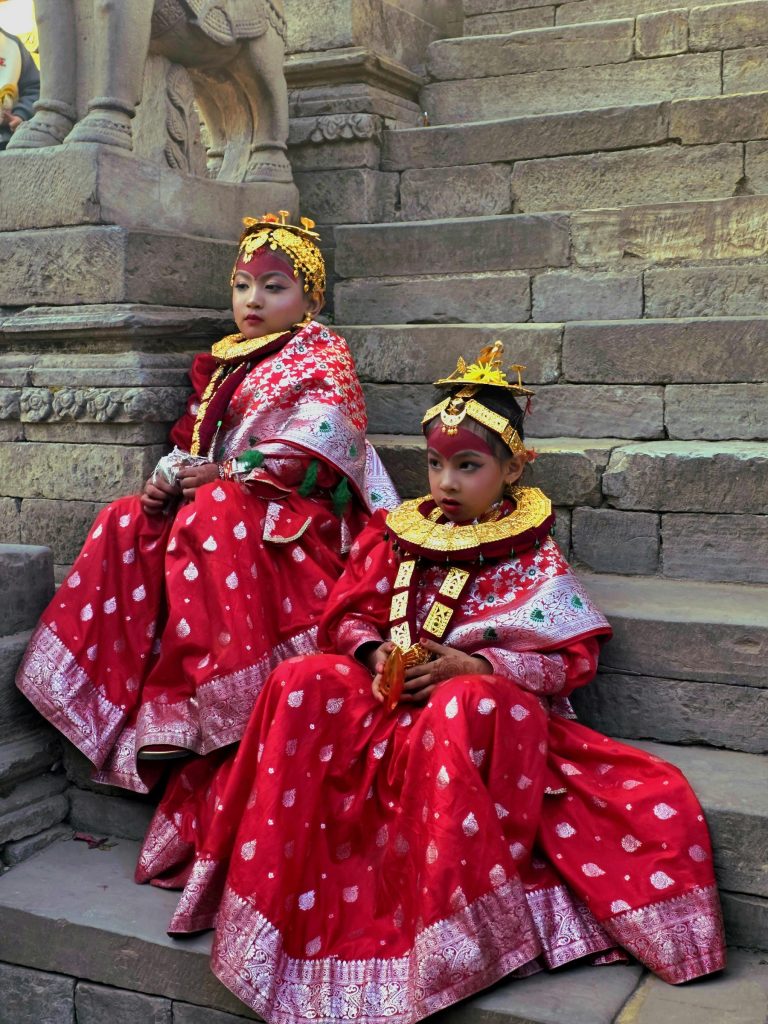
Becoming the Living Goddess is an extraordinary process.
Candidates are chosen from the Shakya community of the Newars and must satisfy numerous traditional requirements. The selection committee looks for what are traditionally known as the 32 Perfections. These include specific physical characteristics, excellent health, calmness, and fearlessness to name the some.
One of the most famous stories surrounding the selection process is the belief that candidates must remain calm during symbolic tests designed to demonstrate courage. While many dramatic versions of these stories circulate, modern descriptions often note that the process emphasizes ritual purity and composure rather than sensationalized trials.
After completing religious ceremonies, the selected child is formally recognized as the new Kumari.
Daily Life of the Kumari
Although regarded as a goddess, the Kumari also lives the life of a child within certain traditional boundaries.
She resides in the beautifully carved Kumari Ghar in Kathmandu Durbar Square. Caretakers attend to her daily needs. Visitors may occasionally catch a glimpse of her appearing briefly at one of the palace windows.
Outside of important religious festivals and ceremonies, the Kumari generally remains within the residence. In recent decades, arrangements have increasingly been made to support the Kumari’s education alongside her ceremonial responsibilities.
Festivals Where You Can See the Kumari
The best opportunity to witness the Living Goddess is during Nepal’s major religious festivals.
Indra Jatra
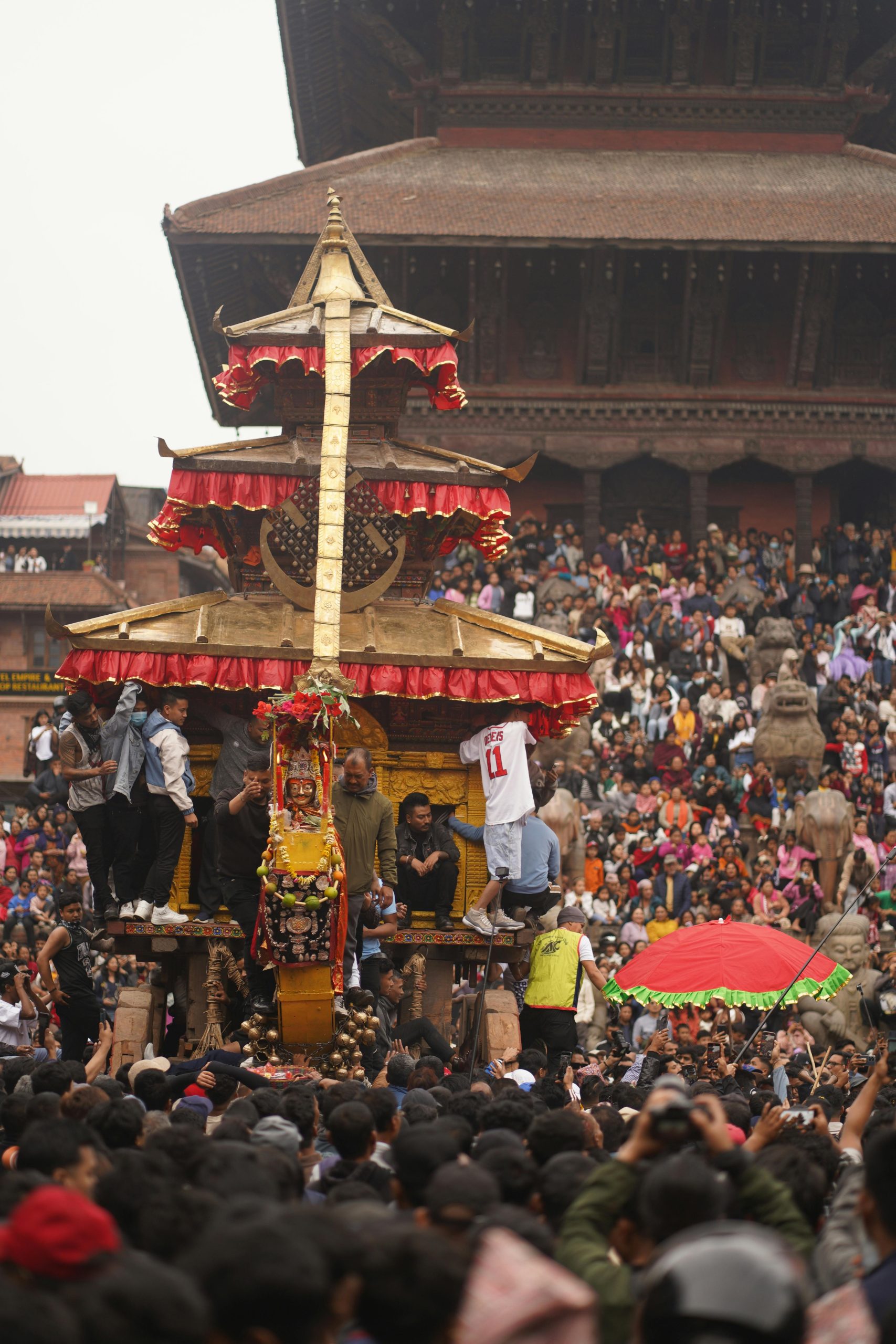
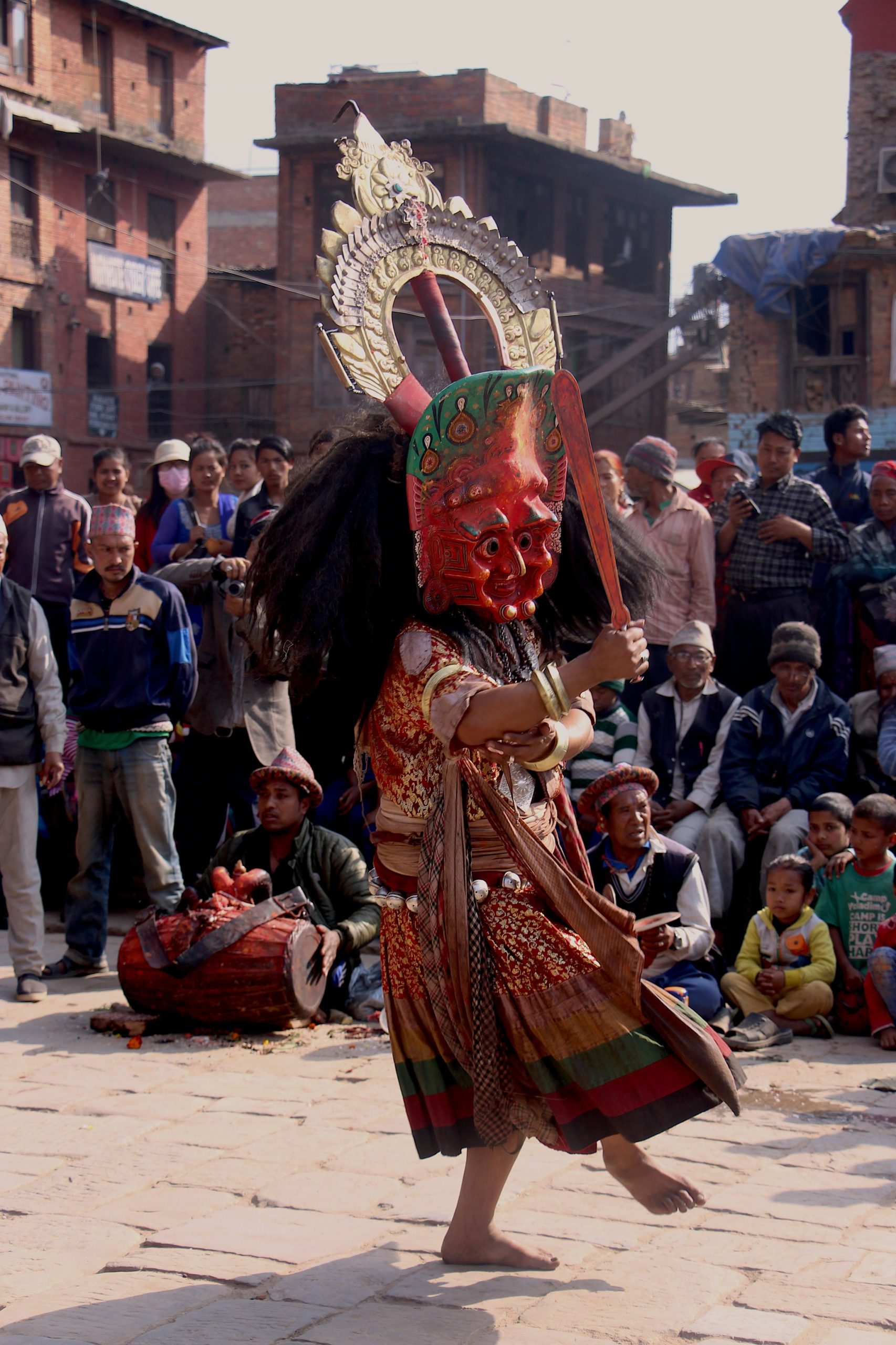
Held each autumn, Indra Jatra is Kathmandu’s most famous festival. During this celebration, the Kumari rides through the ancient streets of the city in an ornately decorated wooden chariot while thousands of devotees gather to receive her blessings.
Dashain
As Nepal’s biggest festival, Dashain also features important ceremonies involving the Kumari, although public appearances are less frequent than during Indra Jatra.
Visiting Kumari Ghar
Located in the heart of Kathmandu Durbar Square, Kumari Ghar is one of the city’s most visited cultural attractions.
Visitors should remember that the Kumari is deeply respected as a living deity. When visiting:
- Dress modestly.
- Speak quietly.
- Follow instructions from guides and caretakers.
- Photography of the Kumari herself is generally not permitted.
- Be patient, as appearances are brief and not guaranteed.
Respecting these customs helps preserve one of Nepal’s most treasured traditions.
Why the Kumari Tradition Is Unique
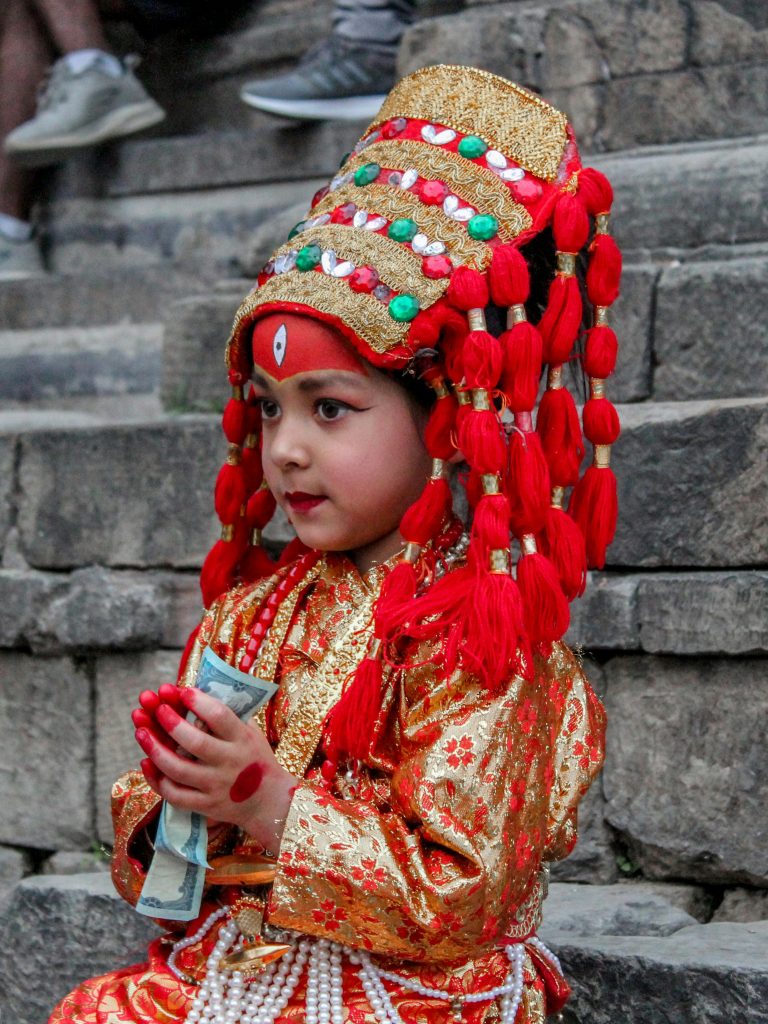
Few cultures maintain a tradition where a child is worshipped as a living goddess while continuing an important ceremonial role in modern society.
The Kumari tradition reflects Nepal’s remarkable ability to preserve centuries-old customs alongside contemporary life. It also demonstrates the unique harmony between Hindu and Buddhist communities, who together honor the Living Goddess.
For travelers, witnessing this tradition offers more than a sightseeing experience—it provides a meaningful connection to Nepal’s history, spirituality, and cultural identity.
Experience Nepal’s Living Heritage with E.H.T. Travel
A visit to the Kumari is just one of many unforgettable cultural experiences waiting in Nepal. From the ancient temples of Kathmandu to vibrant festivals, sacred monasteries, and traditional Newari settlements, every journey reveals another chapter of Nepal’s remarkable heritage.
Explore Nepal’s rich history with E.H.T. Travel through expertly guided cultural tours that bring these traditions to life. Whether you’re visiting during Indra Jatra or discovering Kathmandu’s timeless treasures, we’ll help you experience the stories behind every monument and every tradition.
Comments
Recent Posts