The Ultimate Nepal Pilgrimage Guide: 15 Sacred Hindu & Buddhist Sites to Visit (2026)
Nepal is widely known for its towering Himalayan peaks and breathtaking landscapes. However, beyond its natural beauty lies a land deeply rooted in spirituality. For thousands of years, pilgrims, monks, sages, and seekers have journeyed here to find blessings, enlightenment, and inner peace.
Home to some of the world’s most revered Hindu temples and Buddhist monasteries, Nepal offers a unique opportunity to experience two of the world’s oldest living religions side by side. Ancient rituals continue to shape daily life, while sacred chants echo through temple courtyards and monasteries nestled among hills, forests, and snow-capped mountains.
Whether you’re a devoted pilgrim, a cultural traveler, or simply someone seeking meaningful experiences, Nepal promises an unforgettable spiritual journey. From the sacred birthplace of Lord Buddha in Lumbini to the holy shrine of Lord Shiva at Pashupatinath, every destination tells a remarkable story of faith, history, and tradition.
In this comprehensive guide, you’ll discover Nepal’s 15 most significant Hindu and Buddhist pilgrimage sites. You’ll also find travel tips, the best times to visit, suggested itineraries, and practical advice to help you plan a rewarding pilgrimage across the country.
Why Nepal is One of the World’s Greatest Pilgrimage Destinations
A Land Where Faith Lives Every Day
Nepal has long been regarded as one of Asia’s most important spiritual destinations. Nestled between the Himalayas and the plains of India, the country has preserved centuries-old religious traditions that continue to inspire millions of pilgrims each year.
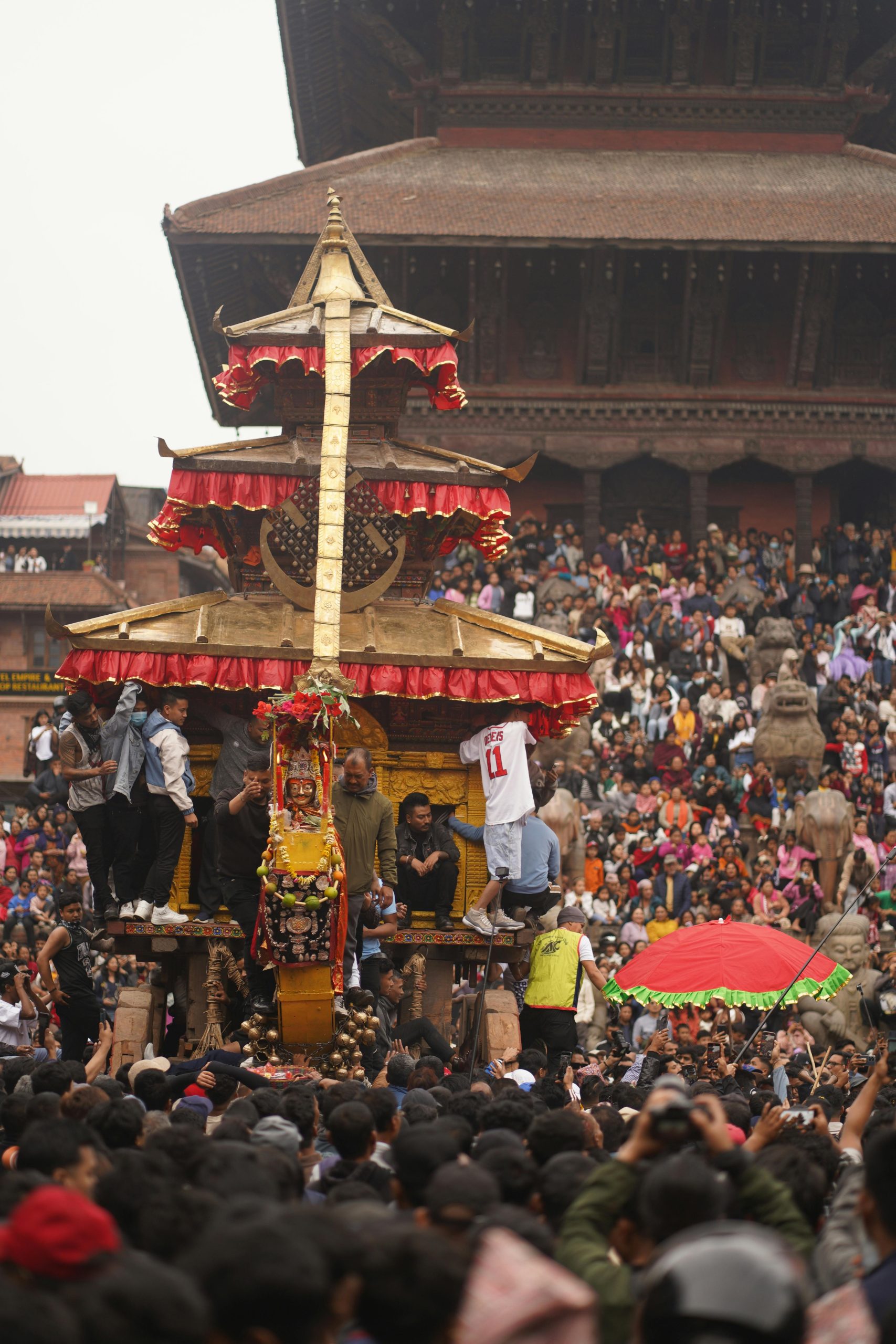
Unlike many historic religious destinations, Nepal’s sacred heritage is still very much alive. Daily worship, temple ceremonies, colorful festivals, and ancient customs remain an integral part of everyday life. As a result, visitors experience living traditions rather than historical monuments alone.
Two Great Religions, One Remarkable Journey
One of Nepal’s greatest distinctions is the harmonious coexistence of Hinduism and Buddhism. Many sacred sites are revered by followers of both faiths, allowing visitors to explore diverse spiritual traditions during a single journey.
This unique blend creates an atmosphere of mutual respect and cultural richness. Consequently, Nepal attracts not only religious pilgrims but also history enthusiasts, photographers, and travelers seeking moments of reflection.
Spirituality Surrounded by Nature
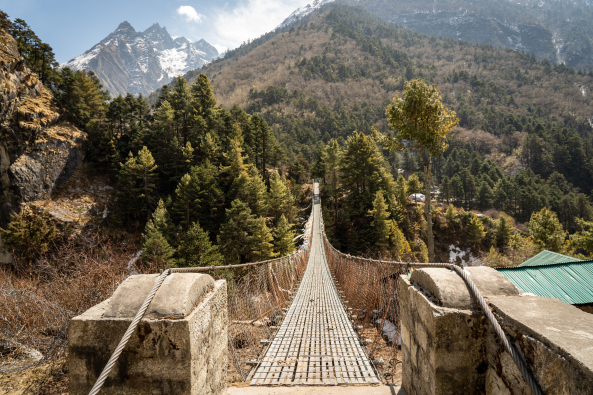
Nepal’s pilgrimage destinations are as visually inspiring as they are spiritually significant. Ancient temples overlook dramatic valleys, monasteries sit peacefully on forested hillsides, and sacred lakes mirror the surrounding Himalayan peaks.
Whether you’re walking through the bustling temples of Kathmandu or trekking to remote mountain shrines, every destination combines natural beauty with profound spiritual meaning.
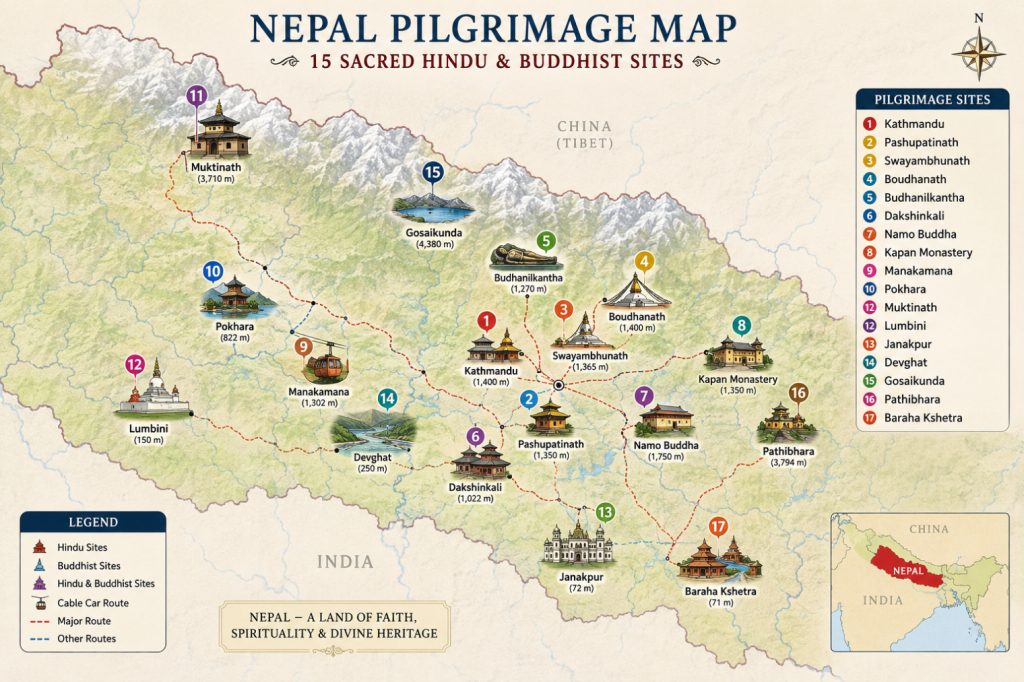
Pilgrimage Map of Nepal
To make planning easier, this guide follows a route that connects Nepal’s most important Hindu and Buddhist pilgrimage destinations.
The pilgrimage map includes:
- Pashupatinath Temple
- Swayambhunath Stupa
- Boudhanath Stupa
- Budhanilkantha Temple
- Dakshinkali Temple
- Kapan Monastery
- Namo Buddha
- Manakamana Temple
- Muktinath Temple
- Lumbini
- Janakpur
- Devghat Dham
- Gosaikunda Lake
- Pathibhara Devi Temple
- Baraha Kshetra
Together, these sacred destinations represent Nepal’s extraordinary religious heritage and offer one of South Asia’s most rewarding pilgrimage experiences.
You can use this map as a reference while planning your itinerary and discovering Nepal’s remarkable spiritual heritage.
1. Pashupatinath Temple – Nepal’s Holiest Hindu Shrine
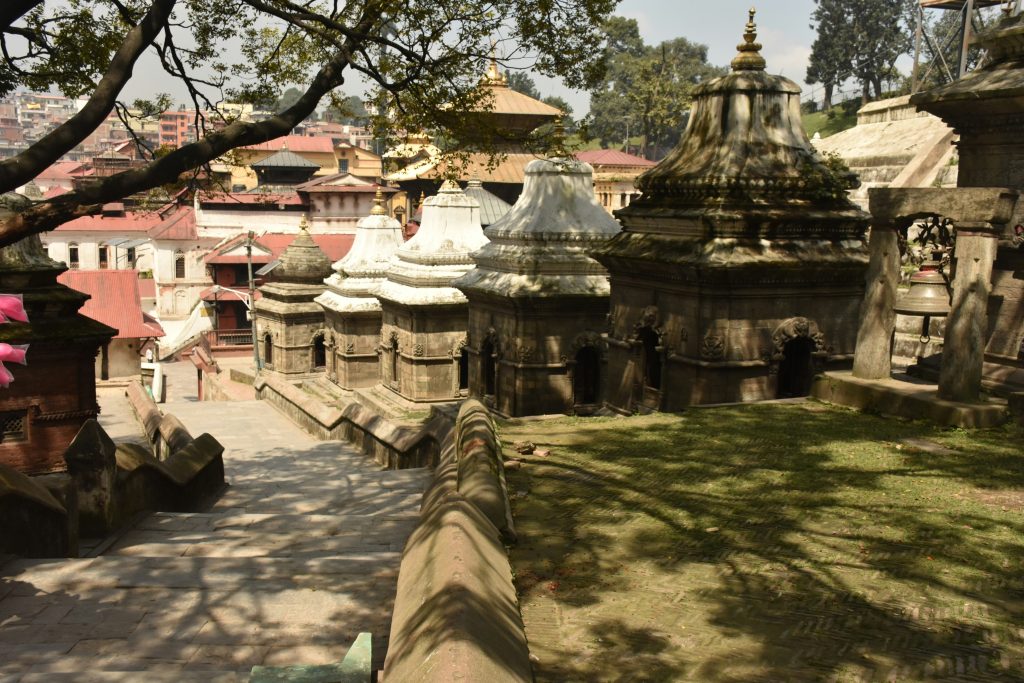
Nestled along the sacred Bagmati River in Kathmandu, Pashupatinath Temple is the spiritual heart of Nepal and one of the world’s most revered shrines dedicated to Lord Shiva. Recognized as a UNESCO World Heritage Site, the temple has welcomed devotees for centuries and remains one of the most important pilgrimage destinations for Hindus worldwide.
According to Hindu tradition, Lord Shiva once wandered through the forests of the Kathmandu Valley disguised as a deer before revealing his divine form at this sacred location. Consequently, Pashupatinath symbolizes devotion, liberation, and eternal faith.
Beyond the magnificent golden-roofed main temple, the complex features hundreds of smaller shrines, ancient stone sculptures, ashrams, and temples dedicated to various Hindu deities. Intricately carved wooden architecture reflects Nepal’s rich artistic heritage, while the peaceful surroundings create an atmosphere of deep reverence.
A Living Spiritual Experience
Every day, priests conduct elaborate rituals as devotees offer flowers, milk, incense, and holy water to Lord Shiva. Meanwhile, the sound of temple bells, devotional hymns, and Vedic chants fills the air, creating a powerful spiritual ambiance.
Visitors can also observe traditional cremation ceremonies along the Bagmati River, offering insight into Hindu beliefs about life, death, and rebirth.
Visit During Maha Shivaratri
The most spectacular time to visit is during Maha Shivaratri, when hundreds of thousands of pilgrims gather from Nepal, India, and around the world. Throughout the festival, the temple remains vibrant with prayers, processions, devotional music, and cultural celebrations.
Highlights
- UNESCO World Heritage Site
- Nepal’s most sacred Shiva temple
- Evening Bagmati Aarati
- Historic pagoda-style architecture
- Sacred cremation ghats
- Vibrant Maha Shivaratri celebrations
Best Time to Visit
October to April offers pleasant weather, while Maha Shivaratri (February or March) is the most significant festival, drawing devotees from around the world.
Visitor Information
- Location: Kathmandu
- Religion: Hinduism
- Photography: Permitted in the outer complex; not inside the main shrine.
- Entry Note: Only practicing Hindus may enter the inner sanctum. Nevertheless, visitors of other faiths are welcome to explore the surrounding temple complex and observe ceremonies respectfully.
2. Muktinath Temple – The Sacred Path to Liberation
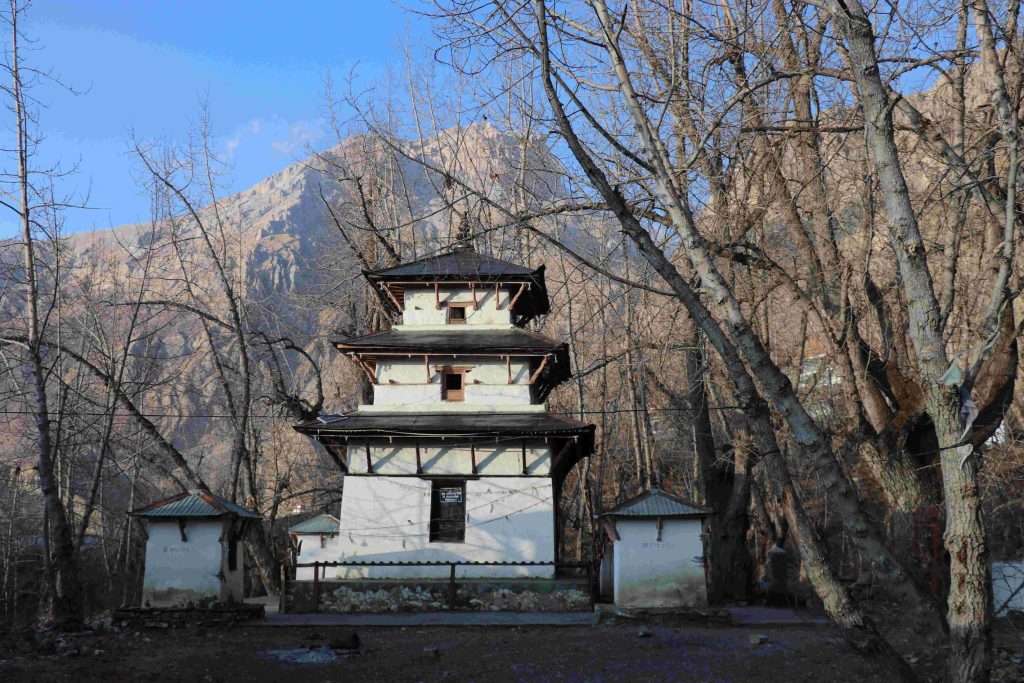
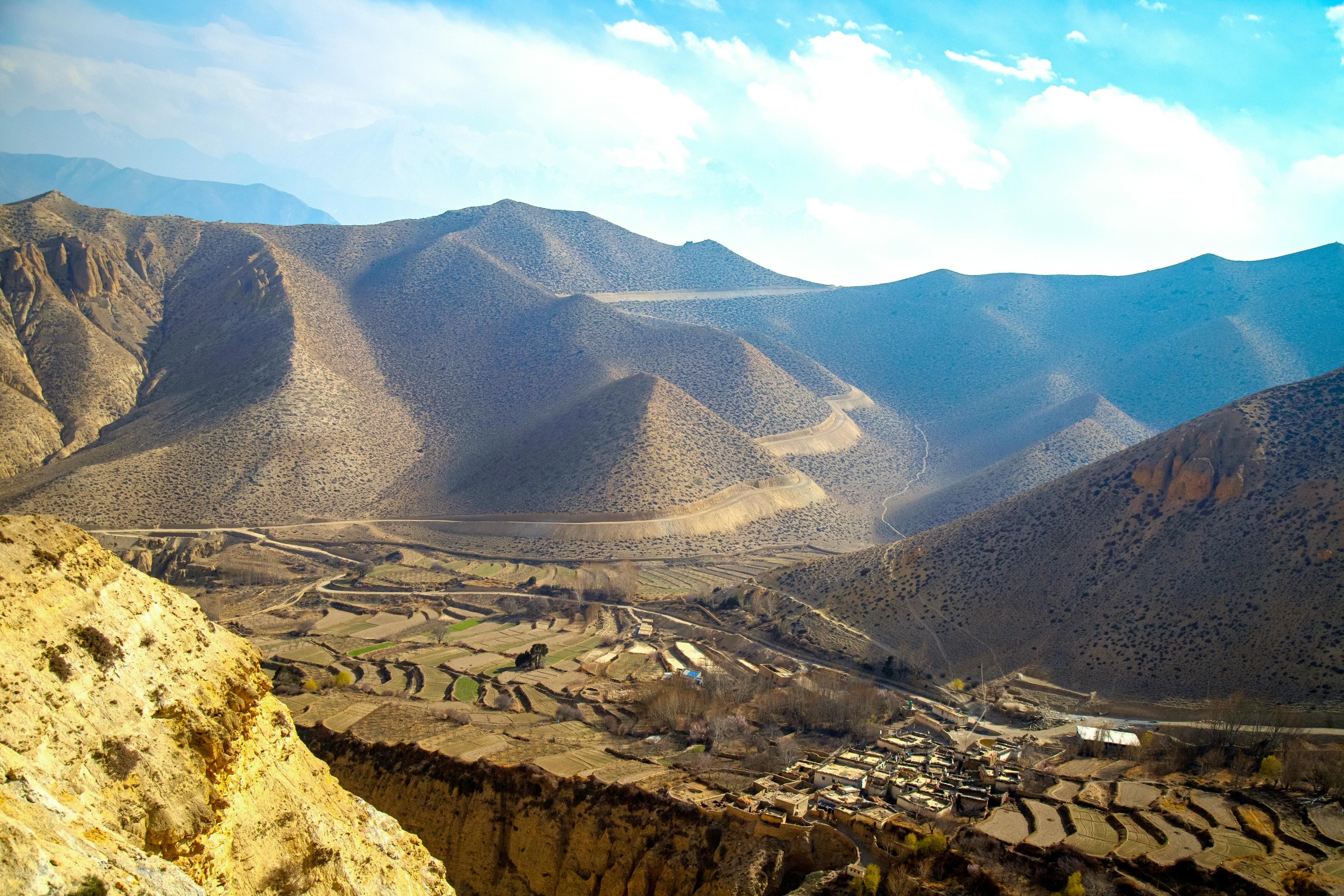
Situated at an altitude of approximately 3,800 meters in Nepal’s Mustang District, Muktinath Temple is one of the country’s most extraordinary pilgrimage destinations. Revered by both Hindus and Buddhists, the temple represents spiritual liberation and attracts thousands of pilgrims every year.
In Hindu philosophy, the word Mukti means liberation from the cycle of birth and rebirth. Therefore, many devotees believe that visiting Muktinath and offering prayers here helps cleanse past karma and brings spiritual freedom.
Sacred Waters and the Eternal Flame
One of Muktinath’s most famous features is the row of 108 sacred water spouts, known as Muktidhara. Pilgrims traditionally bathe beneath each icy stream before entering the temple as a symbol of purification.
Nearby, the eternal flame (Jwala Mai) burns naturally from underground gas alongside flowing water. This rare phenomenon has inspired devotion for centuries and symbolizes the harmony of nature’s elements.
A Journey Through the Himalayas
Reaching Muktinath is an unforgettable experience. Travelers pass through dramatic mountain landscapes, deep river valleys, Tibetan-influenced villages, and breathtaking views of the Annapurna and Dhaulagiri ranges. Consequently, the journey itself becomes an important part of the pilgrimage.
Highlights
- 108 sacred water spouts
- Eternal natural flame
- Shared Hindu and Buddhist significance
- Stunning Himalayan scenery
- Sacred Vishnu temple
Best Time to Visit
March to May and September to November provide the clearest weather and the most comfortable travel conditions.
Travel Tips
- Spend a night in Jomsom or Kagbeni for acclimatization.
- Carry warm clothing throughout the year.
- Begin sightseeing early, as afternoon winds in Mustang can be strong.
3. Lumbini – The Birthplace of Lord Buddha

No Buddhist pilgrimage to Nepal is complete without visiting Lumbini, the birthplace of Siddhartha Gautama, who later became Lord Buddha. Located in Nepal’s southern Terai region, this UNESCO World Heritage Site ranks among the world’s most sacred Buddhist destinations.
At the center of the sacred complex stands the Maya Devi Temple, built around the archaeological remains believed to mark the exact birthplace of Prince Siddhartha more than 2,500 years ago. Nearby, the Ashoka Pillar commemorates Emperor Ashoka’s visit and serves as one of the earliest historical records confirming Lumbini’s significance.
A Global Center for Buddhism
The surrounding Monastic Zone showcases monasteries built by Buddhist communities from around the world, including Thailand, Japan, Myanmar, China, Vietnam, Germany, and France. Each reflects its own architectural style while offering peaceful spaces for meditation and contemplation.
Experience Peace and Reflection
Unlike many busy pilgrimage destinations, Lumbini encourages quiet reflection. Visitors can stroll through the Sacred Garden, meditate beneath ancient trees, or walk beside tranquil canals connecting the international monasteries.
Highlights
- Birthplace of Lord Buddha
- Maya Devi Temple
- Ashoka Pillar
- Sacred Garden
- International Monastic Zone
- Meditation centers
Best Time to Visit
October to March offers pleasant temperatures and comfortable sightseeing conditions.
Don’t Miss
Visit the Sacred Garden early in the morning or at sunset, when the peaceful atmosphere is at its most memorable.
4. Swayambhunath Stupa – The Self-Created Sacred Hill

Perched on a hill overlooking the Kathmandu Valley, Swayambhunath Stupa is one of Nepal’s oldest and most revered religious monuments. Affectionately known as the Monkey Temple, this UNESCO World Heritage Site attracts Buddhist pilgrims, Hindu devotees, and travelers from around the world.
According to ancient legend, the Kathmandu Valley was once a vast lake. A radiant lotus blossomed from its waters, marking the spot where Swayambhunath now stands. After the lake drained, the sacred hill emerged, giving rise to a shrine whose name means “self-existent” or “self-created.”
Today, the magnificent white dome, golden spire, and the iconic Buddha eyes symbolize wisdom, awareness, and compassion. Colorful prayer flags flutter overhead, adding to the peaceful atmosphere.
A Sacred Blend of Faiths
Although Swayambhunath is primarily a Buddhist monument, the complex also features numerous Hindu shrines and temples. This harmonious coexistence reflects Nepal’s unique religious heritage, where both faiths have flourished together for centuries.
As visitors climb the famous staircase to the summit, they pass prayer wheels, shrines, and playful monkeys that have become symbols of the site.
A View Worth the Climb
Beyond its spiritual significance, Swayambhunath offers one of the finest panoramic views of Kathmandu Valley. Arriving early in the morning allows visitors to witness monks chanting, devotees performing kora (circumambulation), and the city gradually awakening beneath the Himalayan sky.
Highlights
- UNESCO World Heritage Site
- One of Nepal’s oldest Buddhist stupas
- Panoramic views of Kathmandu Valley
- Hundreds of prayer wheels
- Sacred monkey population
- Hindu and Buddhist shrines within one complex
Best Time to Visit
Visit at sunrise for cooler temperatures, fewer crowds, and spectacular views across the valley.
Visitor Tip
Climb the eastern staircase for the traditional pilgrimage experience, but take your time, as there are several hundred steps leading to the summit.
5. Boudhanath Stupa – The Heart of Tibetan Buddhism in Nepal
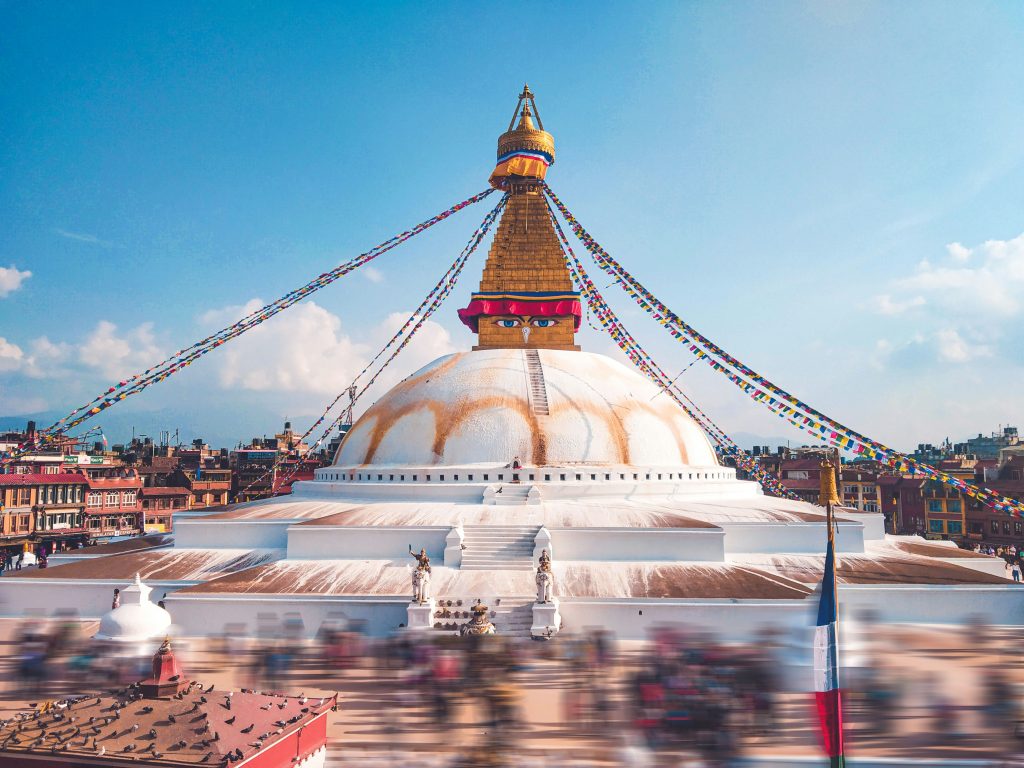
Towering above the surrounding monasteries and traditional homes, Boudhanath Stupa is one of the largest spherical stupas in the world and the spiritual center of Tibetan Buddhism in Nepal.
For centuries, this remarkable monument has welcomed monks, pilgrims, and visitors seeking peace and spiritual reflection. Its enormous white dome, crowned by a gilded spire bearing the all-seeing eyes of Buddha, creates one of Kathmandu’s most recognizable landmarks.
Experience the Daily Pilgrimage
Throughout the day, devotees slowly walk clockwise around the stupa while turning prayer wheels and chanting the sacred mantra Om Mani Padme Hum.
Meanwhile, nearby monasteries echo with the sound of Buddhist prayers, while incense fills the air with a calming fragrance. Together, these traditions create an atmosphere that encourages mindfulness and quiet contemplation.
A Vibrant Cultural Quarter
The streets surrounding Boudhanath are just as fascinating as the monument itself. Traditional Tibetan restaurants, handicraft shops, meditation centers, cafés, and monasteries line the circular plaza, making it an ideal place to experience Nepal’s Tibetan Buddhist culture.
As evening falls, hundreds of butter lamps illuminate the stupa. Consequently, the peaceful surroundings become even more enchanting, offering one of Kathmandu’s most memorable spiritual experiences.
Highlights
- UNESCO World Heritage Site
- One of the world’s largest Buddhist stupas
- Tibetan monasteries and meditation centers
- Prayer wheel circuit
- Evening butter lamp ceremonies
- Rooftop cafés overlooking the stupa
Best Time to Visit
Late afternoon through sunset provides the perfect opportunity to experience both daytime activity and evening prayers.
Travel Tip
Walk at least one full clockwise circuit around the stupa to fully appreciate the spiritual atmosphere and observe local devotional practices respectfully.
6. Janaki Temple – The Birthplace of Goddess Sita
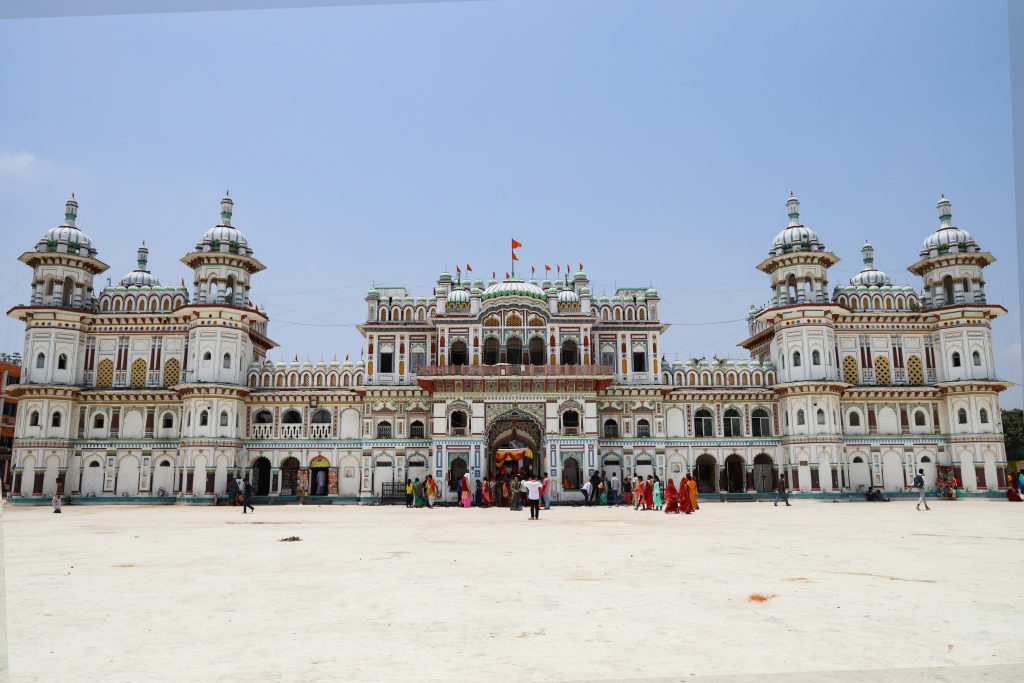
Location: Janakpur, Madhesh Province
“Where Divine Love Began”
Located in the historic city of Janakpur, Janaki Temple is one of the most important pilgrimage destinations for Hindus. Dedicated to Goddess Sita, the beloved consort of Lord Rama, the temple holds immense religious significance throughout South Asia.
According to the Ramayana, Janakpur is the birthplace of Sita, making the city a deeply sacred destination for millions of devotees from Nepal and India.
A Palace Fit for a Goddess
Constructed in 1910 by Queen Brisabhanu Kunwari of Tikamgarh, the temple resembles a magnificent royal palace rather than a traditional shrine.
Its brilliant white façade, colorful domes, intricate carvings, and spacious courtyards combine Rajput, Mughal, and Koiri architectural influences to create one of Nepal’s most beautiful religious buildings.
Inside the temple, devotional music, fragrant incense, and the gentle ringing of bells create an atmosphere filled with peace and reverence.
Celebrate the Divine Wedding
One of the temple’s most important festivals is Vivah Panchami, which commemorates the marriage of Lord Rama and Goddess Sita.
During this grand celebration, thousands of pilgrims gather in Janakpur to witness colorful processions, traditional performances, and symbolic wedding ceremonies that recreate this sacred event.
Highlights
- Birthplace of Goddess Sita
- Magnificent palace-style temple
- One of the most important Ramayana pilgrimage sites
- Rich Mithila culture
- Beautiful evening illumination
Nearby Attractions
- Ram Sita Vivah Mandap
- Dhanush Sagar
- Ganga Sagar
- Janakpur Railway Museum
Best Time to Visit
October to March offers comfortable weather for sightseeing and religious festivals.
Don’t Miss
Attend the evening Aarati before exploring Janakpur’s colorful streets decorated with traditional Mithila artwork.
7. Manakamana Temple – The Goddess Who Grants Wishes

Location: Gorkha District
High above the Trishuli River Valley, Manakamana Temple has been a place of devotion for centuries. Dedicated to Goddess Bhagwati, an incarnation of Parvati, the temple is believed to fulfill the sincere wishes of those who visit with faith.
The name Manakamana comes from two Sanskrit words:
- Mana – Heart
- Kamana – Wish
Together, they translate as “The Goddess Who Fulfills Wishes.”
A Journey That Inspires
In the past, pilgrims spent several days climbing steep mountain trails to reach the temple.
Today, visitors enjoy a scenic cable car ride that carries them high above the Trishuli River in just a few minutes. Along the way, sweeping views of forests, villages, rivers, and distant Himalayan peaks make the journey an unforgettable part of the pilgrimage.
A Place of Hope and Gratitude
Devotees visit Manakamana to pray for family happiness, good health, academic success, prosperous businesses, and safe journeys.
Although the temple becomes especially busy during major festivals, its peaceful hilltop setting continues to offer moments of quiet reflection throughout the year.
Highlights
- Nepal’s first cable car
- Sacred Bhagwati Temple
- Spectacular Himalayan scenery
- Traditional Newari architecture
- Popular pilgrimage destination for families
Best Time to Visit
September through April offers the clearest weather and the most enjoyable travel conditions.
Travel Tip
Arrive early in the morning, particularly on weekends and festival days, to avoid long queues at both the cable car station and the temple.
8. Gosaikunda Lake – Lord Shiva’s Sacred Himalayan Lake
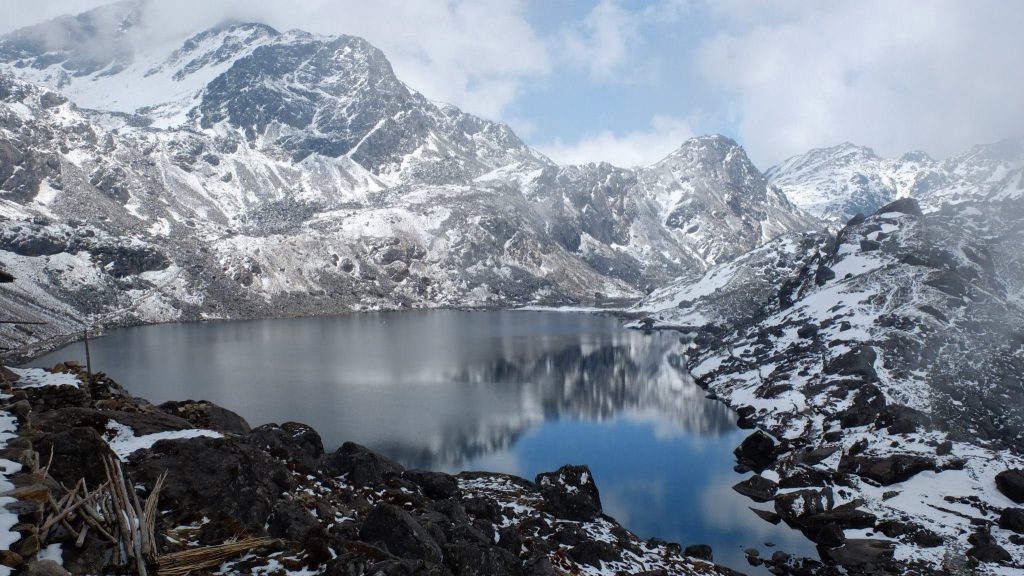
Hidden high within Langtang National Park, Gosaikunda Lake is one of Nepal’s most sacred pilgrimage destinations. Situated at an altitude of 4,380 meters (14,370 feet), this pristine alpine lake attracts both Hindu pilgrims and trekking enthusiasts seeking an unforgettable spiritual experience in the Himalayas.
According to Hindu mythology, Lord Shiva created the lake after swallowing poison during the churning of the cosmic ocean. Tormented by intense thirst, he struck the mountains with his trident, allowing crystal-clear water to emerge. Since then, devotees have regarded Gosaikunda as a place of purification, healing, and divine blessings.
A Pilgrimage Through the Himalayas
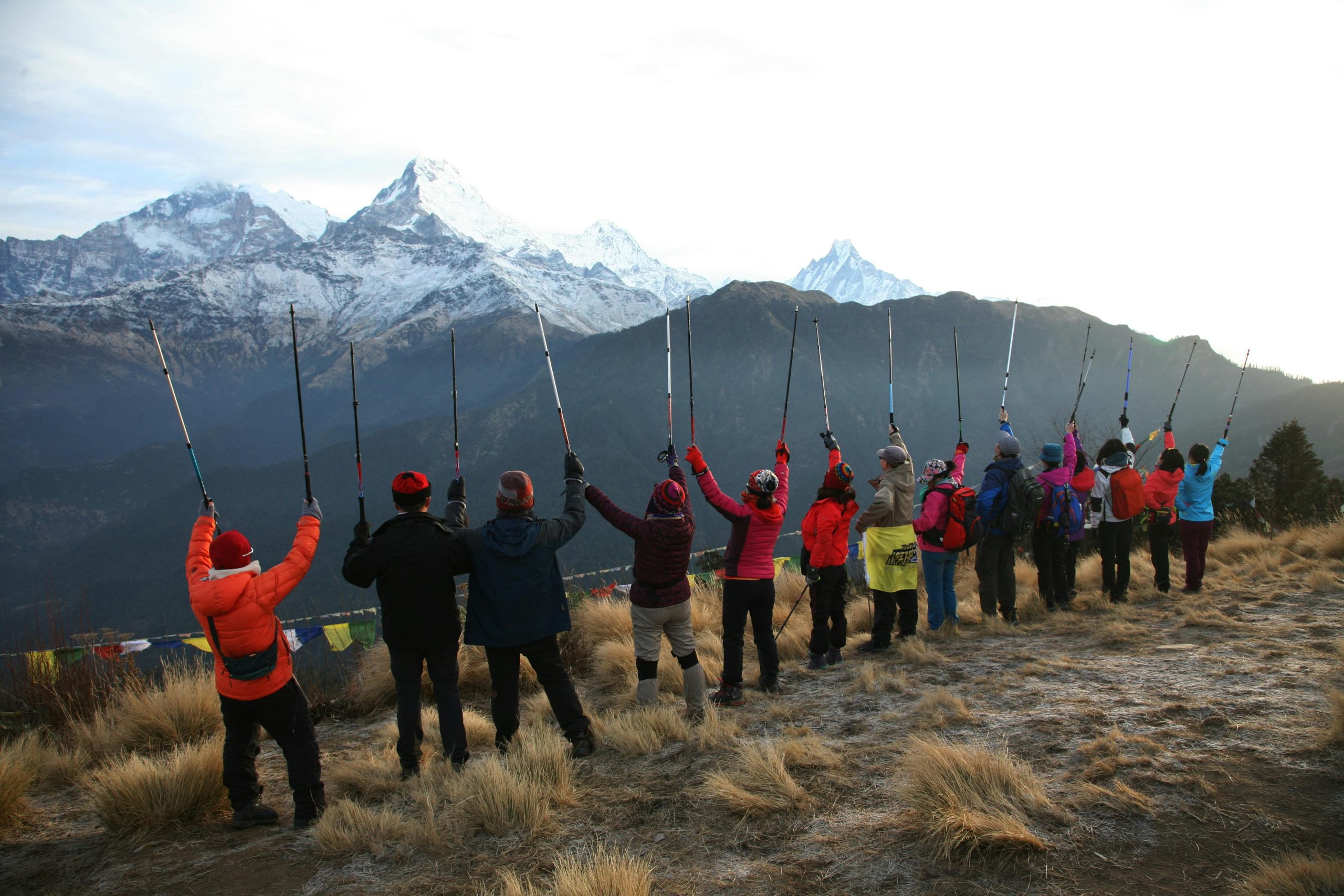
Reaching Gosaikunda is a journey of devotion as much as an adventure. The trail winds through rhododendron forests, alpine meadows, traditional mountain villages, and rugged Himalayan landscapes before reaching the sacred lake.
Along the route, spectacular views of snow-covered peaks reward pilgrims for every step. Consequently, many visitors consider the trek itself to be an important part of their spiritual journey.
Janai Purnima – Nepal’s Largest Lake Pilgrimage
Every year during Janai Purnima, thousands of devotees travel to Gosaikunda to bathe in its icy waters. According to tradition, this ritual washes away sins and brings spiritual merit.
Although the festival draws large crowds, the lake remains peaceful for most of the year, making it equally appealing to trekkers, photographers, and nature lovers.
Highlights
- Sacred alpine lake dedicated to Lord Shiva
- Located inside Langtang National Park
- Stunning Himalayan scenery
- Janai Purnima pilgrimage
- One of Nepal’s finest high-altitude treks
Best Time to Visit
- March to May
- September to November
Difficulty
Moderate to Challenging Trek
Essential Travel Tips
- Acclimatize gradually before ascending.
- Carry warm clothing throughout the trek.
- Stay well hydrated.
- Hire a licensed trekking guide for safety and local insights.
9. Pathibhara Devi Temple – A Sacred Shrine of Faith and Blessings
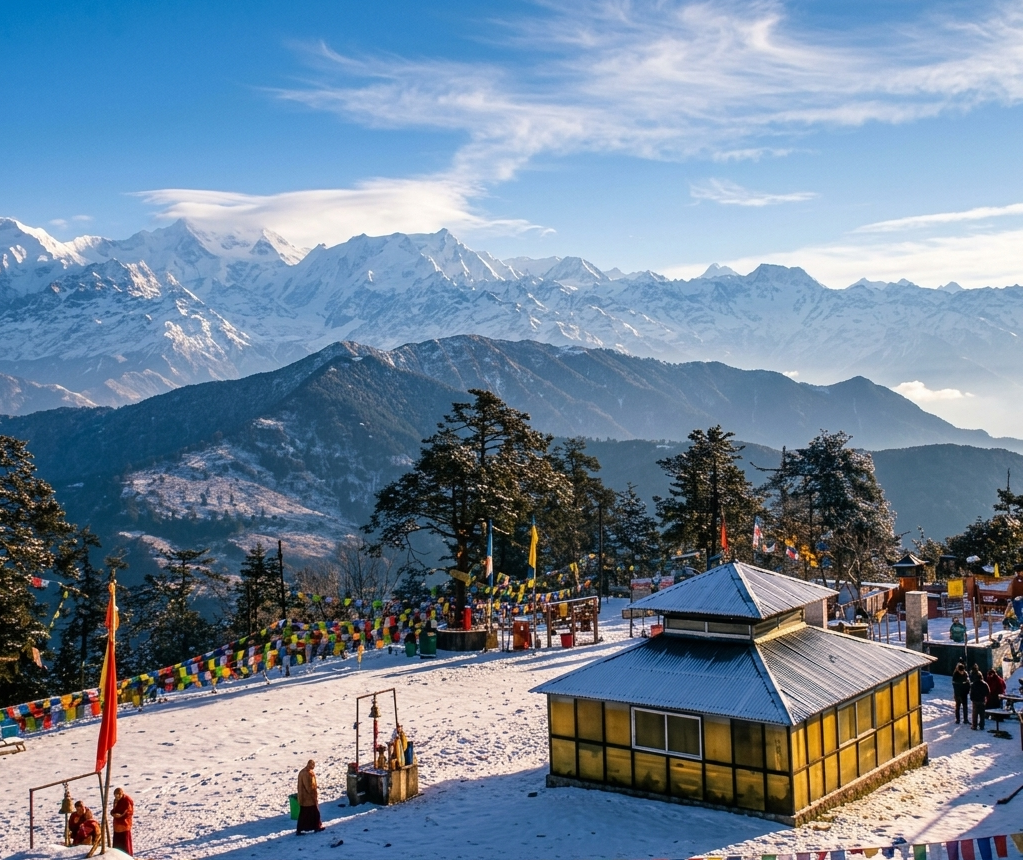
Located in the hills of Taplejung District, Pathibhara Devi Temple is one of Nepal’s most revered Shakti Peethas. Surrounded by forests and panoramic mountain views, the temple offers pilgrims a peaceful environment for worship and reflection.
Devotees believe that sincere prayers offered here bring prosperity, protection, and the fulfillment of heartfelt wishes. Consequently, thousands of pilgrims visit the temple every year from eastern Nepal as well as neighboring regions of India.
A Scenic Pilgrimage
Unlike many urban temples, Pathibhara requires a rewarding uphill walk through forests filled with rhododendrons and native vegetation.
Along the way, visitors enjoy magnificent Himalayan scenery while experiencing the natural beauty that makes eastern Nepal so special.
Peace Beyond the Mountains
Despite its growing popularity, Pathibhara has retained a calm and spiritual atmosphere.
For many pilgrims, the quiet surroundings provide an ideal setting for prayer, meditation, and personal reflection away from busy cities.
Highlights
- Revered Shakti Peetha
- Scenic Himalayan pilgrimage
- Beautiful rhododendron forests
- Panoramic sunrise viewpoints
- Rich Limbu cultural heritage
Best Time to Visit
October through April.
Travel Advice
Allow two to three days for the complete pilgrimage from Taplejung to fully appreciate both the journey and the destination.
10. Devghat Dham – Nepal’s Sacred River Confluence
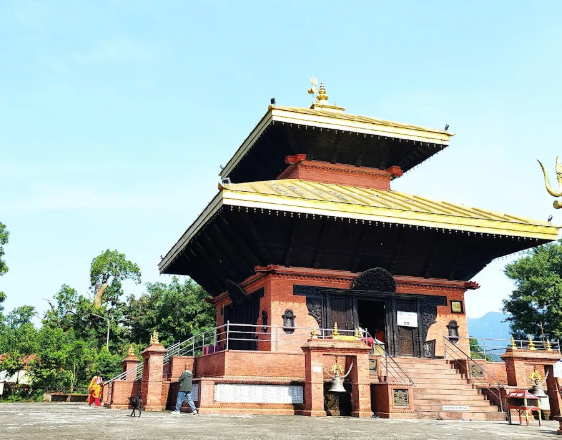
Location: Devghat Dham
At the meeting point of the Kali Gandaki and Trishuli Rivers, the holy Narayani River begins its journey across southern Nepal. This sacred confluence is known as Devghat Dham, one of the country’s oldest and most respected Hindu pilgrimage destinations.
For centuries, saints, sages, and devotees have gathered here to meditate, perform religious rituals, and honor their ancestors. Even today, Devghat remains an important center for spiritual learning and religious practice.
A Place of Prayer and Liberation
Many elderly devotees choose to spend their later years in Devghat because of a long-held belief that passing away in this sacred place brings spiritual liberation.
As a result, numerous ashrams, temples, and meditation centers have developed throughout the area, creating a peaceful religious community.
Celebrate Makar Sankranti
Each year during Makar Sankranti, tens of thousands of pilgrims gather to bathe at the river confluence before visiting nearby temples and participating in religious ceremonies.
The festival transforms Devghat into one of Nepal’s most vibrant centers of Hindu devotion.
Highlights
- Sacred river confluence
- Ancient Hindu temples
- Meditation retreats
- Traditional ashrams
- Makar Sankranti festival
Nearby Attractions
- Balmiki Ashram
- Shiva temples
- Sacred river ghats
- Meditation centers
Best Time to Visit
October to March.
Visitor Tip
Visit early in the morning to witness the peaceful atmosphere and observe traditional rituals along the riverbanks.
11. Baraha Kshetra – Honoring Lord Vishnu’s Varaha Incarnation

Location: Sunsari District, Koshi ProvinceNestled in Sunsari District, Baraha Kshetra ranks among Nepal’s oldest Hindu pilgrimage destinations. Located where the Kokaha and Koshi Rivers meet, the temple is dedicated to Lord Vishnu’s Varaha (Boar) incarnation and is mentioned in the ancient Skanda Purana.
According to Hindu tradition, Lord Vishnu assumed the form of Varaha to rescue Mother Earth from the demon Hiranyaksha. Therefore, the temple symbolizes the victory of righteousness over chaos and remains an important destination for Vaishnav devotees.
A Temple Rooted in Ancient Scripture
Unlike many modern pilgrimage sites, Baraha Kshetra is closely connected with ancient Hindu literature.
Its religious importance has attracted pilgrims for centuries, while the surrounding rivers add to the site’s spiritual significance.
A Peaceful Riverside Retreat
Beyond its religious value, the temple offers a tranquil setting surrounded by flowing rivers and green hills.
Consequently, many visitors combine prayer with quiet reflection, making Baraha Kshetra an ideal destination for both pilgrims and cultural travelers.
Highlights
- Temple dedicated to Lord Varaha
- Sacred river confluence
- Mentioned in the Skanda Purana
- Important Hindu festivals
- Scenic natural surroundings
Best Time to Visit
October to March.
Travel Tip
Arrive in the early morning to enjoy a quieter atmosphere before exploring the nearby ghats and smaller shrines.
12. Budhanilkantha Temple – The Majestic Sleeping Vishnu
Location: Budhanilkantha, Kathmandu Valley
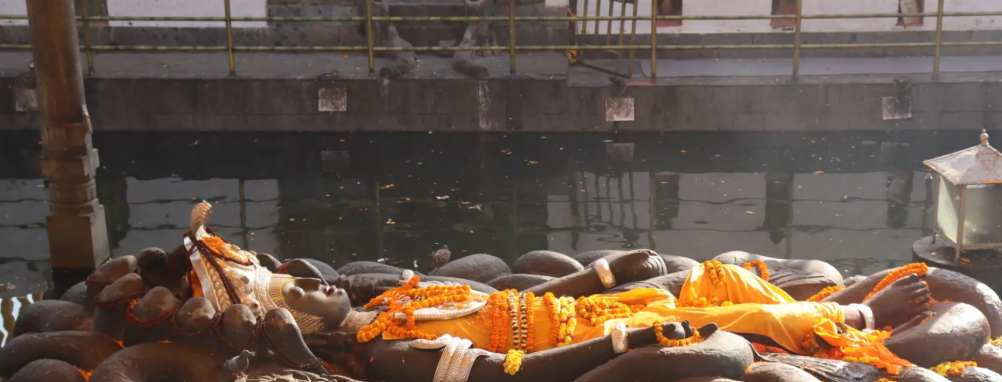
Located at the northern edge of the Kathmandu Valley, Budhanilkantha Temple is one of Nepal’s most remarkable Hindu pilgrimage sites. The temple is famous for its magnificent stone statue of Lord Vishnu reclining peacefully on the cosmic serpent Ananta (Shesha Naga).
Carved from a single block of black basalt, the impressive sculpture measures more than five meters (16 feet) in length. Resting in a sacred pond, the statue appears to float effortlessly on the water, creating one of the country’s most extraordinary religious sights.
An Extraordinary Masterpiece
Historians believe the statue dates back to the Licchavi period, making it one of Nepal’s finest examples of early stone craftsmanship.
The reclining image represents Yoga Nidra, the cosmic sleep during which Lord Vishnu preserves the universe between cycles of creation. Consequently, the temple has become an important destination for followers of Vaishnavism from Nepal and abroad.
A Temple Rich in Tradition
Budhanilkantha is not only admired for its artistic beauty but also for its fascinating traditions. According to a long-standing royal belief, Nepal’s former kings avoided visiting the shrine, adding an intriguing chapter to the temple’s history.
Today, devotees gather throughout the year to offer prayers, flowers, and sacred water while seeking blessings for health, prosperity, and protection.
Highlights
- Giant reclining statue of Lord Vishnu
- Carved from a single block of stone
- Sacred pond setting
- Exceptional Licchavi-era craftsmanship
- One of Nepal’s most important Vaishnav pilgrimage sites
Best Time to Visit
The temple welcomes visitors throughout the year. However, Haribodhini Ekadashi offers one of the most vibrant spiritual experiences, attracting thousands of devotees.
Visitor Tip
Visit early in the morning to enjoy the peaceful atmosphere before larger crowds arrive.
13. Namo Buddha – A Place of Infinite Compassion
Location: Kavrepalanchok District
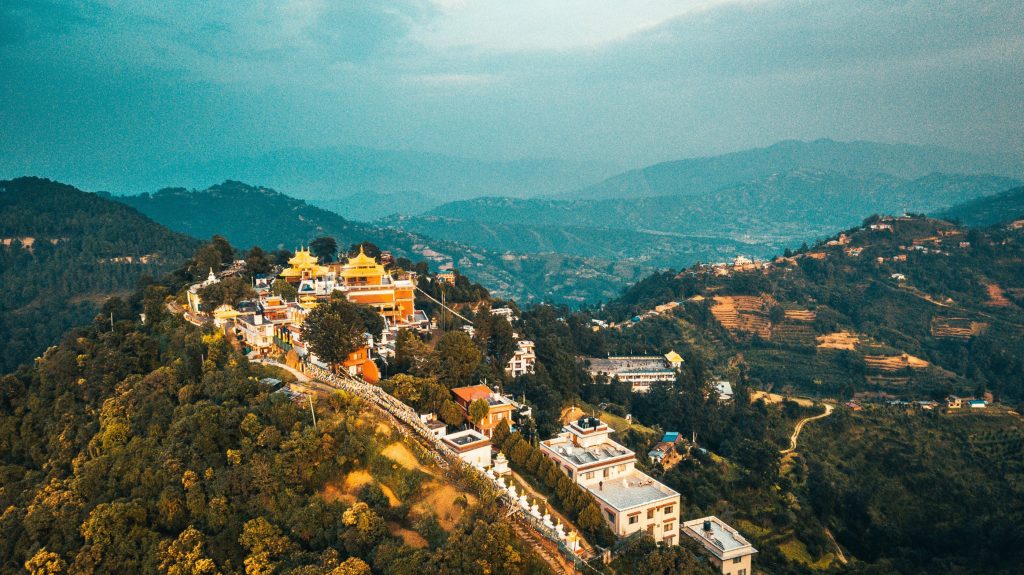
Situated on a peaceful hilltop in Kavrepalanchok District, Namo Buddha is one of Nepal’s holiest Buddhist pilgrimage destinations. Revered by Buddhists around the world, the site commemorates one of the most inspiring stories in Buddhist tradition.
According to legend, the Bodhisattva encountered a starving tigress unable to feed her cubs. Moved by boundless compassion, he willingly sacrificed himself to save them. As a result, Namo Buddha has become a lasting symbol of generosity, kindness, and selfless compassion.
A Peaceful Place for Reflection
Today, the hilltop is home to Thrangu Tashi Yangtse Monastery, where monks study Buddhist philosophy, perform daily prayers, and welcome visitors seeking quiet reflection.
Prayer flags flutter gently in the mountain breeze, while the rhythmic sound of chanting creates an atmosphere of serenity.
Discover the Beauty of Buddhist Culture
In addition to its spiritual importance, Namo Buddha offers breathtaking views of the surrounding hills and distant Himalayan peaks.
Many visitors choose to spend time meditating, exploring the monastery grounds, or simply enjoying the peaceful surroundings away from the busy streets of Kathmandu.
Highlights
- Sacred Buddhist pilgrimage destination
- Thrangu Tashi Yangtse Monastery
- Meditation and spiritual retreats
- Panoramic Himalayan viewpoints
- Rich Buddhist heritage
Best Time to Visit
September through April provides the clearest weather and pleasant temperatures.
Recommended Experience
Spend time in quiet meditation while overlooking the surrounding hills to fully appreciate the calm atmosphere that makes Namo Buddha so special.
14. Kapan Monastery – A Gateway to Tibetan Buddhist Learning
Location: Kathmandu
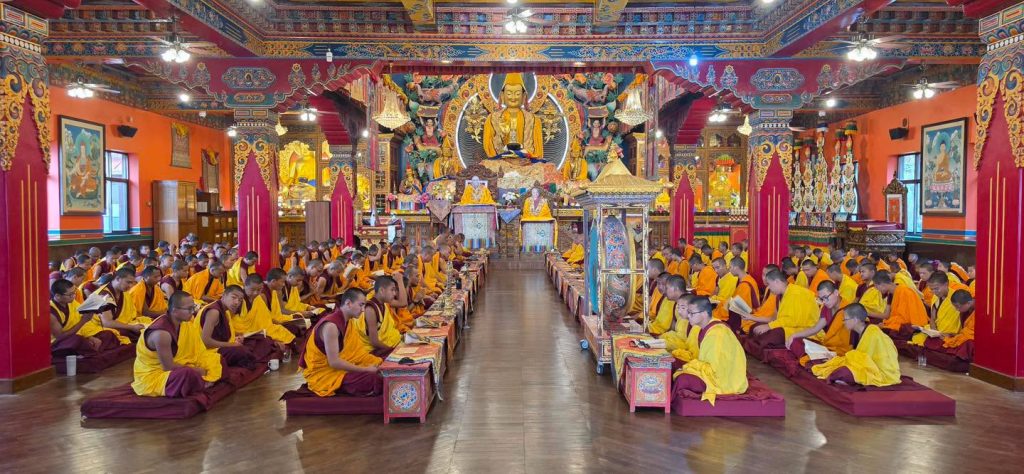
OPerched on a peaceful hill overlooking the Kathmandu Valley, Kapan Monastery is one of Nepal’s leading centers for Tibetan Buddhist education and meditation. The monastery welcomes both pilgrims and international visitors who wish to deepen their understanding of Buddhist philosophy.
Unlike many pilgrimage sites that focus primarily on worship, Kapan Monastery encourages learning, reflection, and personal growth through meditation courses, teachings, and daily prayers.
Learn From Living Traditions
Throughout the year, monks conduct classes, prayer ceremonies, and meditation retreats for visitors from around the world.
Consequently, the monastery has become an internationally respected center for Buddhist study while remaining an active place of worship.
A Peaceful Escape Near Kathmandu
Surrounded by gardens, prayer wheels, and forested hills, Kapan offers a welcome retreat from the bustle of the capital.
Visitors are encouraged to explore the grounds quietly, observe monastery etiquette, and appreciate the peaceful rhythm of monastic life.
Highlights
- Renowned Tibetan Buddhist monastery
- Meditation courses and retreats
- Daily chanting ceremonies
- Beautiful hilltop location
- Panoramic views of Kathmandu Valley
Best Time to Visit
October through April offers pleasant weather and excellent visibility.
Visitor Tip
Dress modestly, maintain silence inside prayer halls, and check the monastery schedule if you wish to attend a meditation session.
15. Dakshinkali Temple – The Powerful Shrine of Goddess Kali
Location: Pharping, Kathmandu Valley
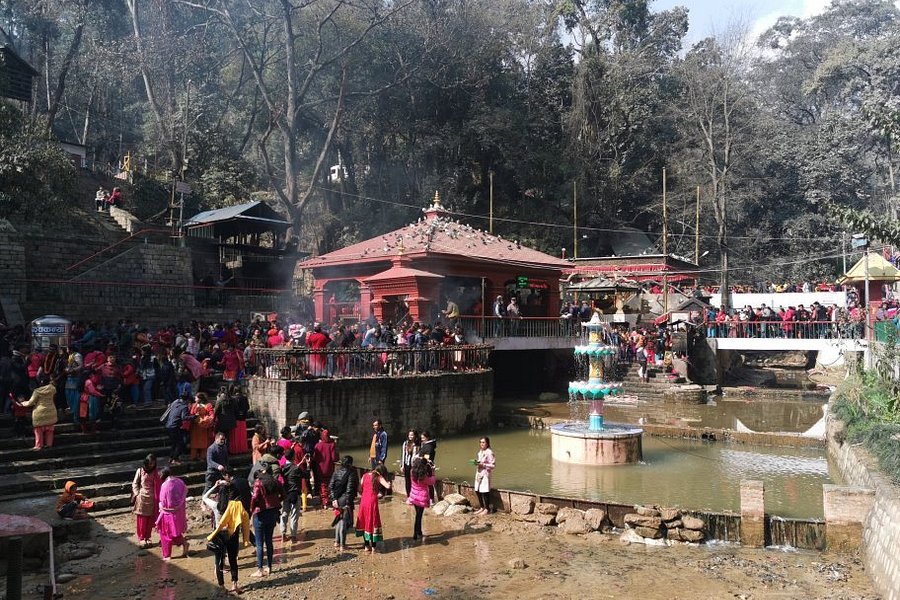
Located approximately 22 kilometers south of Kathmandu, Dakshinkali Temple is one of Nepal’s most important shrines dedicated to Goddess Kali, the powerful Hindu deity associated with strength, protection, and the triumph of good over evil.
Hidden within a forested valley, the temple attracts thousands of devotees who come to seek blessings, offer prayers, and participate in traditional religious rituals.
A Place of Deep Devotion
Every Tuesday and Saturday, the temple becomes especially lively as pilgrims gather to worship Goddess Kali.
The atmosphere is filled with devotional songs, incense, flower offerings, and prayers, creating an unforgettable spiritual experience.
Culture and Respect
Dakshinkali remains an active place of worship where local traditions continue to be observed with great devotion.
Visitors are welcome to explore the temple respectfully while remaining mindful of religious customs and ceremonies taking place throughout the day.
Highlights
- Sacred temple dedicated to Goddess Kali
- Beautiful forest setting
- Traditional Hindu rituals
- Important Tuesday and Saturday worship
- Popular pilgrimage destination near Kathmandu
Best Time to Visit
October through April offers the most comfortable weather for visiting.
Visitor Tip
Arrive early in the morning to experience the temple before it becomes crowded, especially on major worship days.
Best Time for a Pilgrimage in Nepal
Although Nepal welcomes pilgrims thrPractical Travel Tips for Your Nepal Pilgrimage
A pilgrimage through Nepal is more than visiting sacred places—it’s an opportunity to experience the country’s living spiritual traditions. Careful planning will help ensure your journey is comfortable, respectful, and rewarding.
Best Time for a Pilgrimage
Although Nepal welcomes visitors throughout the year, the following seasons offer the most favorable conditions:
🌸 Spring (March–May)
- Pleasant temperatures
- Blooming rhododendron forests
- Excellent mountain views
- Ideal for Gosaikunda and Muktinath
🍂 Autumn (September–November)
- Clear skies after the monsoon
- Comfortable weather across the country
- Major Hindu and Buddhist festivals
- Best overall season for pilgrimage tours
❄ Winter (December–February)
- Excellent for Kathmandu, Janakpur, Lumbini, and Devghat
- Fewer tourists
- Crisp, clear mornings
- High-altitude destinations can be extremely cold
🌧 Monsoon (June–August)
Travel is still possible; however, expect rain, occasional landslides in mountainous regions, and reduced mountain visibility.
Temple Etiquette
Respecting local customs enhances your experience and shows appreciation for Nepal’s religious heritage.
Remember to:
- Dress modestly with shoulders and knees covered.
- Remove your shoes before entering temples or monasteries.
- Ask permission before photographing monks, priests, or ceremonies.
- Walk clockwise around stupas and prayer wheels.
- Speak quietly inside sacred areas.
- Follow instructions from temple staff and local guides.
- Respect restricted areas that may be reserved for worshippers.
A respectful attitude will always be appreciated by local communities.
Frequently Asked Questions
Which is Nepal’s holiest Hindu temple?
Pashupatinath Temple in Kathmandu is widely regarded as Nepal’s most sacred Hindu temple and is one of the most important Shiva shrines in the world.
Where was Lord Buddha born?
Lord Buddha was born in Lumbini, located in southern Nepal. Today, Lumbini is a UNESCO World Heritage Site and one of the world’s most important Buddhist pilgrimage destinations.
Can non-Hindus visit Nepal’s temples?
Yes. Most temple complexes welcome international visitors. However, entry into the inner sanctum of certain Hindu temples, such as Pashupatinath, is restricted to practicing Hindus. Visitors can still explore the surrounding complex respectfully.
How long should I allow for a pilgrimage?
- 5 days – Kathmandu highlights
- 7 days – Kathmandu + Muktinath
- 10 days – Complete pilgrimage
- 14+ days – Including Gosaikunda and Pathibhara
Is Nepal safe for pilgrimage travel?
Yes. Nepal is generally considered a safe destination for pilgrims and tourists. As with any trip, use normal travel precautions, follow local guidance, and choose experienced operators for remote destinations.
When is the best time to visit?
Autumn (September–November) and Spring (March–May) offer the best combination of pleasant weather, clear mountain views, and excellent travel conditions.
Why Choose EHT Travel for Your Nepal Pilgrimage?
For nearly three decades, EHT Travel Pvt. Ltd. has been helping travelers discover the spiritual and cultural treasures of Nepal.
Our experienced team understands that every pilgrimage is personal. Whether you’re traveling for religious devotion, cultural exploration, or inner reflection, we design journeys that match your interests, schedule, and pace.
With EHT Travel, you can enjoy:
- Expert local guides with cultural knowledge
- Carefully planned pilgrimage itineraries
- Comfortable hotels and reliable transportation
- Domestic flight and permit assistance
- Private and group tour options
- Customized Nepal, Bhutan, Tibet, and India pilgrimage packages
- Friendly support from arrival to departure
Since 1997, we’ve been committed to creating meaningful travel experiences that combine comfort, authenticity, and exceptional service.
Begin Your Sacred Journey Through Nepal
Nepal is a destination where ancient traditions continue to thrive, sacred temples echo with centuries of devotion, and peaceful monasteries invite moments of quiet reflection. Every pilgrimage site offers a unique story, connecting visitors with the country’s rich spiritual heritage and breathtaking natural beauty.
Whether you dream of witnessing the evening Aarati at Pashupatinath, meditating beneath the prayer flags of Boudhanath, seeking liberation at Muktinath, or standing at the birthplace of Lord Buddha in Lumbini, Nepal promises an experience that will stay with you long after your journey ends.
Let EHT Travel help you plan a pilgrimage that is seamless, enriching, and unforgettable. Contact us today to create your personalized Nepal pilgrimage tour and discover the timeless spirit of the Himalayas.
Comments
Recent Posts