The Story Behind Nepal’s Prayer Flags and Their Colors
Whether you’re trekking through the Himalayas, exploring ancient monasteries or even wandering the streets of Kathmandu, you’ll notice the prayer flags. They are vibrant strings of colorful flags fluttering in the mountain breeze and also one of the most recognizable symbols of Nepal’s spiritual landscape.
Far more than simple decorations, prayer flags carry centuries of Buddhist tradition. They are believed to spread prayers in addition to compassion, wisdom and blessings wherever the wind blows. Understanding their meaning offers visitors a deeper appreciation of Nepal’s rich cultural and spiritual heritage.
What Are Prayer Flags?
- Ancient Buddhist tradition
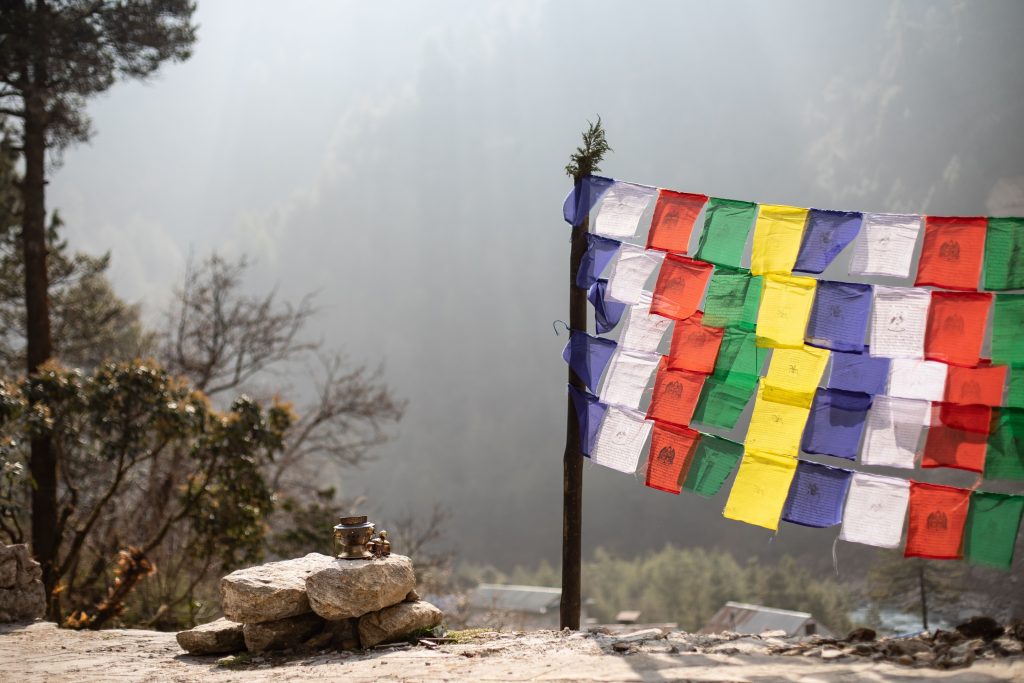
- Found across Nepal, Tibet, Bhutan amd also Himalayan regions
- Used to promote peace, compassion, also harmony
- Not worshipped as idols
- Wind carries the blessings printed on them
The Two Types of Prayer Flags
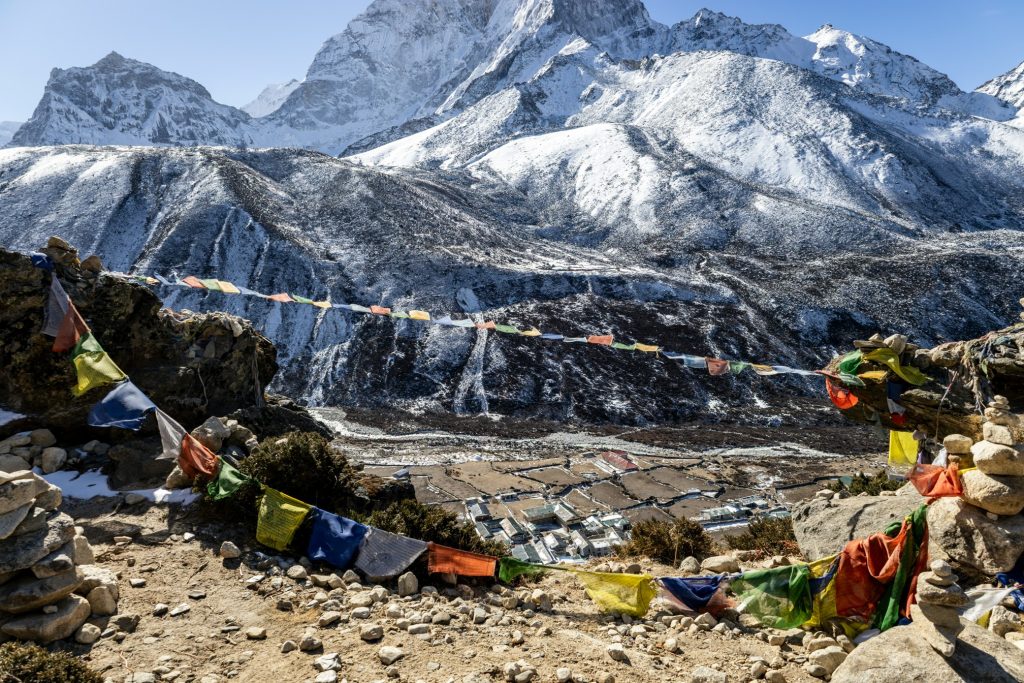
Lungta (Horizontal Prayer Flags)
- Hung across mountain passes
- Monasteries
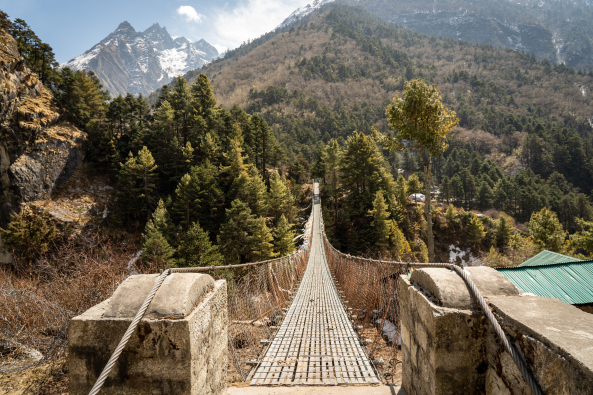
- Bridges
- Homes
- Trekking trails
- Lungta” means Wind Horse, symbolizing strength, good fortune in addition to the transmission of prayers through the wind.
Darchor (Vertical Prayer Flags)
- Tall vertical banners
- Often placed near temples, stupas, and even homes
- Believed to bring prosperity, protection, and also positive energy
What Do the Five Colors Mean?
| Color | Represents | Element |
|---|---|---|
| Blue | Sky & Space | Space |
| White | Air & Wind | Air |
| Red | Fire | Fire |
| Green | Water | Water |
| Yellow | Earth | Earth |
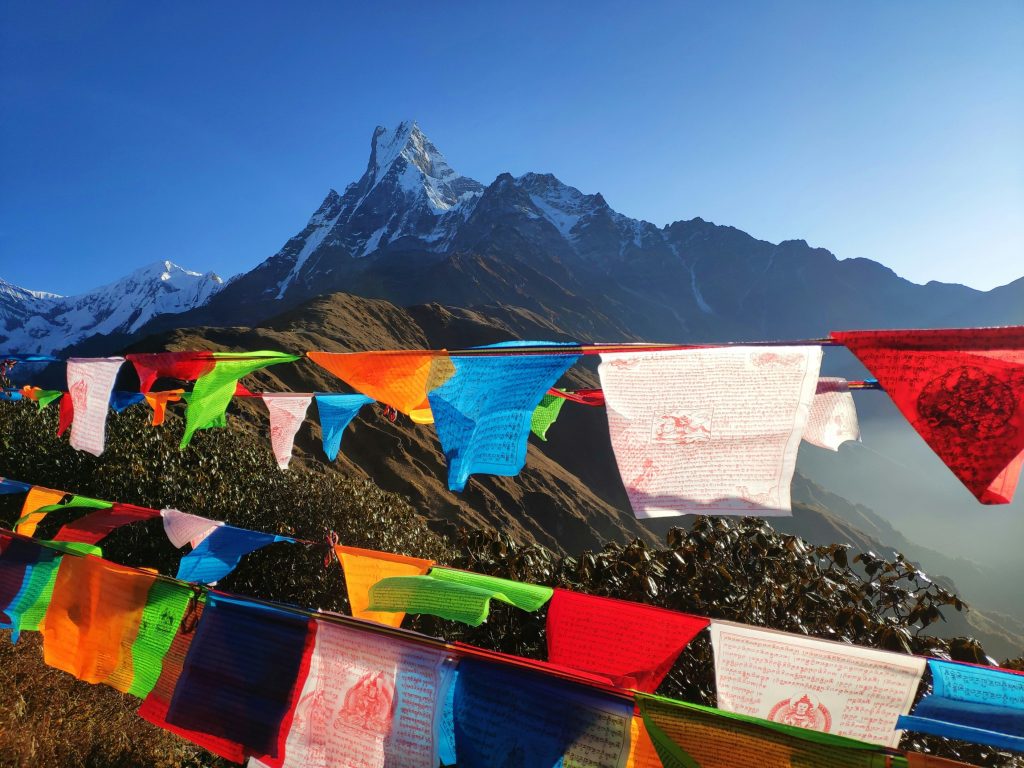
The five colors of Nepal’s prayer flags each represent one of the five natural elements believed to sustain life and also the universe. Blue symbolizes the sky and space while white represents air and wind, similarly red signifies fire, green stands for water and yellow represents the earth.
Together, these colors reflect the balance and harmony of nature, reminding us that all living beings and elements are deeply interconnected. In Buddhist tradition, maintaining this balance is believed to promote peace, well-being, compassion, and harmony in your life and hence throughout the world.
What Is Printed on the Flags?
Typical prayer flags feature:
- Sacred mantras
- Buddhist prayers
- Images of deities
- The Wind Horse
- Symbols of protection
- Wishes for peace and happiness
One of the most common mantras is:
Om Mani Padme Hum
It is associated with compassion and is also believed to spread blessings as the flags flutter in the wind.
Why Are They Hung in High Places?
Mountains and hilltops are considered spiritually significant.
The higher the flags are placed, the farther the wind can carry the prayers and positive intentions in addition to the blessings.
This is why as a trekker you will often see thousands of prayer flags at Himalayan passes.
Why Are Old Prayer Flags Left Hanging?
You may wonder why faded, worn out and older flags are not removed.
In Buddhist tradition:
- Fading symbolizes life’s impermanence.
- The prayers remain meaningful even as the fabric wears away.
- New flags are often added while the old flags are respectfully left until they naturally deteriorate.
Prayer Flags During Trekking
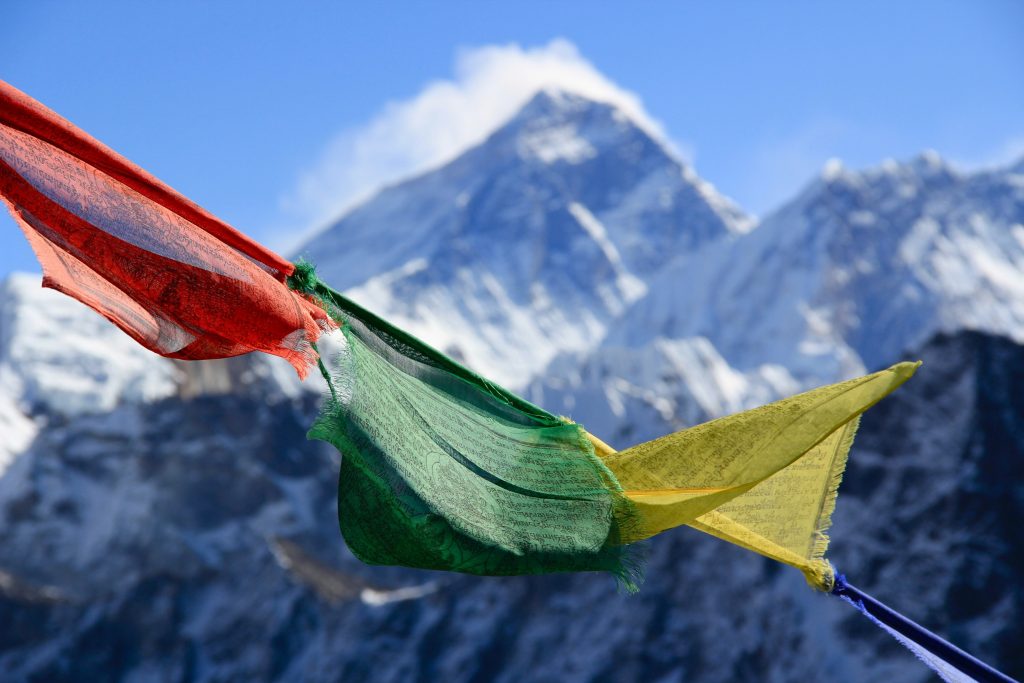
Prayer flags can be seen almost everywhere in Nepal from Boudhanath Stupa to the Himalayan Mountain Passes, Sacred Lakes also including Chortens. A brief introduction is provided as to where you will commonly encounter them:
Boudhanath Stupa
One of the largest Buddhist stupas in the world, you will find that Boudhanath is always surrounded by thousands of colorful prayer flags that flutter above the white dome. As a pilgrim you can walk clockwise around the stupa while spinning prayer wheels and chanting mantras taking note that a reminder of peace and devotion is thought to be stirring continuously.
Swayambhunath (The Monkey Temple)
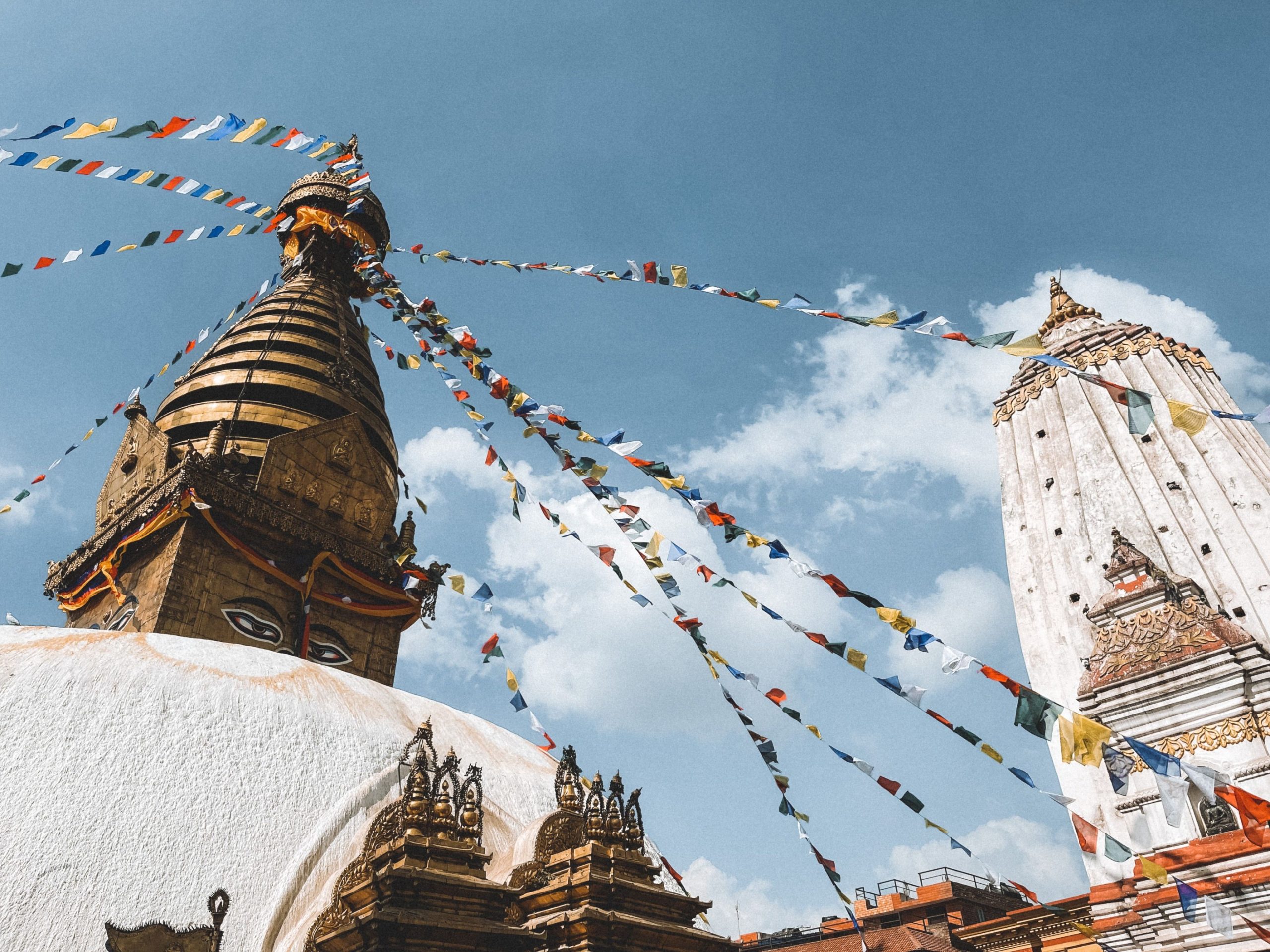
Perched on a hill overlooking Kathmandu Valley, Swayambhunath is also adorned with prayer flags stretching between shrines, trees, and viewpoints. The vibrant colors complement the iconic stupa’s watchful eyes while also making it one of Nepal’s most photographed spiritual landmarks.
Himalayan Mountain Passes
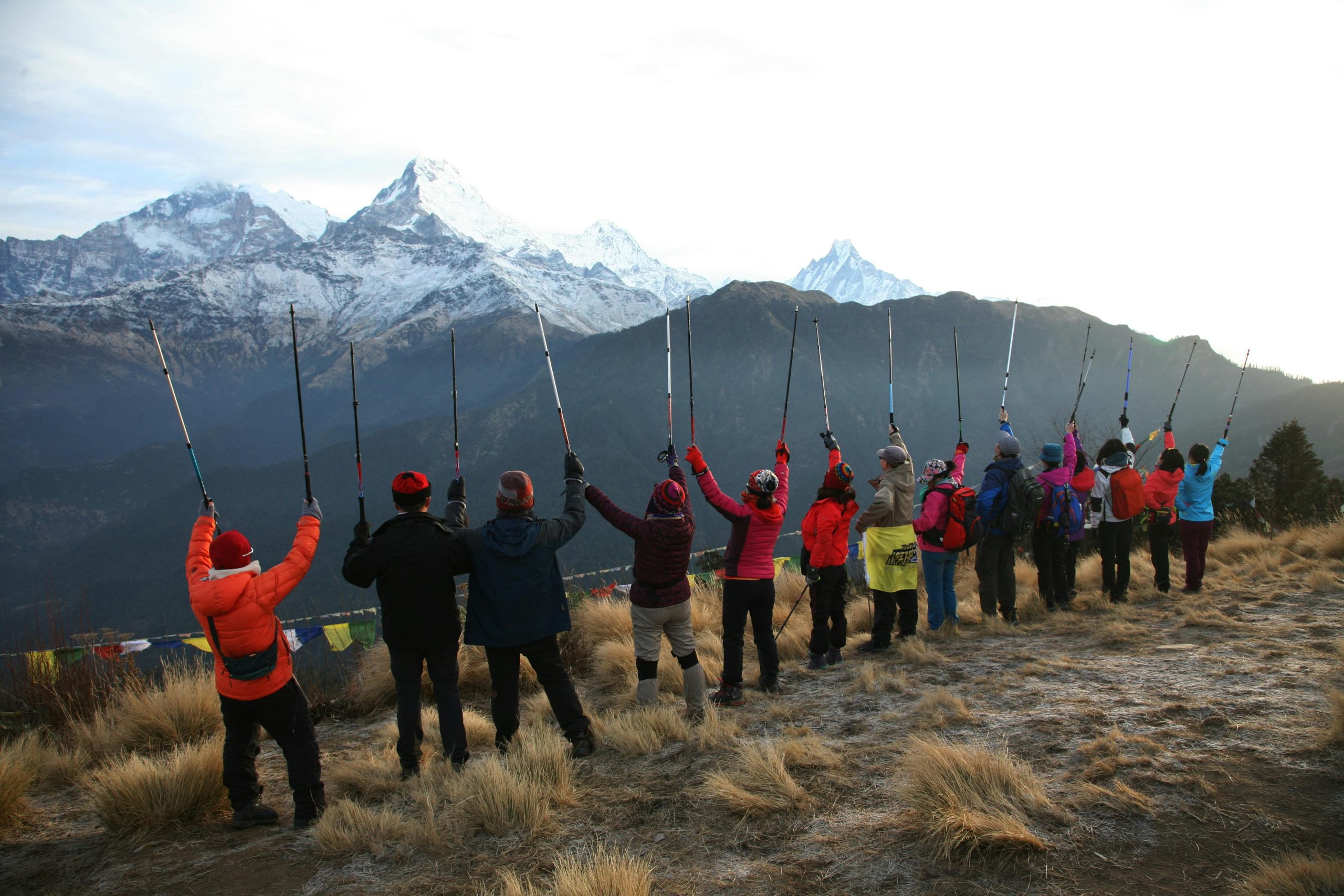
High-altitude passes such as those on the Everest, Annapurna, and Langtang trekking routes are often decorated with countless prayer flags. Trekkers and local communities place new flags at these sacred points, believing the mountain winds will carry blessings, prayers, and good fortune across the valleys.
Buddhist Monasteries
Whether nestled in remote mountain villages or located within busy towns, Buddhist monasteries commonly display prayer flags in courtyards, rooftops and gardens. They symbolize compassion, wisdom and harmony while they also keep enhancing the serene surroundings where monks meditate and study.
Villages in the Everest Region
Traditional Sherpa villages such as Namche Bazaar, Tengboche, and Khumjung are rich in Buddhist heritage. Prayer flags not only decorate homes, suspension bridges, monasteries, and village entrances but also reflect the deep spiritual traditions that shape everyday life in the Himalayas.
The Annapurna Region
Along popular trekking routes including Annapurna Base Camp and the Annapurna Circuit, prayer flags are a familiar sight. They adorn mountain lodges, suspension bridges, mani walls and also viewpoints, reminding visitors of the region’s strong cultural and religious significance.
Sacred Lakes and Chortens
Many sacred lakes, chortens (Buddhist shrines), and meditation sites throughout Nepal are decorated with prayer flags. These peaceful locations invite visitors to not only pause, reflect and appreciate the natural beauty in addition to the spiritual traditions that have endured for centuries.
No matter where you travel in Nepal, prayer flags serve as gentle reminders of peace, compassion in addition to the interconnectedness of all living beings. Whether they are fluttering above a centuries-old monastery or stretched across a snowy Himalayan pass, they tell a story of faith, hope and the harmony carried by the wind.
Respectful Etiquette for Visitors
Encourage you to:
- Appreciate their spiritual significance.
- Avoid stepping over prayer flags.
- Never use them as decorations without understanding their meaning.
- Ask permission before photographing monks or ceremonies.
- Purchase handmade prayer flags from local artisans to support communities.
Conclusion
Prayer flags are much more than colorful pieces of cloth dancing in the Himalayan wind. They represent hope, compassion, harmony which also includes the timeless belief that positive intentions can spread further beyond ourselves.
Irrespective of whether on a mountain pass, beside an ancient monastery, or overlooking a peaceful valley, prayer flags are always offering a quiet reminder of deep spiritual traditions and the enduring connection between nature, faith, and humanity.
Witness thousands of prayer flags fluttering beneath the world’s highest peaks, visit centuries-old monasteries and also a deep immersion in Nepal’s living traditions. Book your Nepal adventure with E.H.T. Travel and experience the Himalayas beyond the ordinary.
Comments
Recent Posts