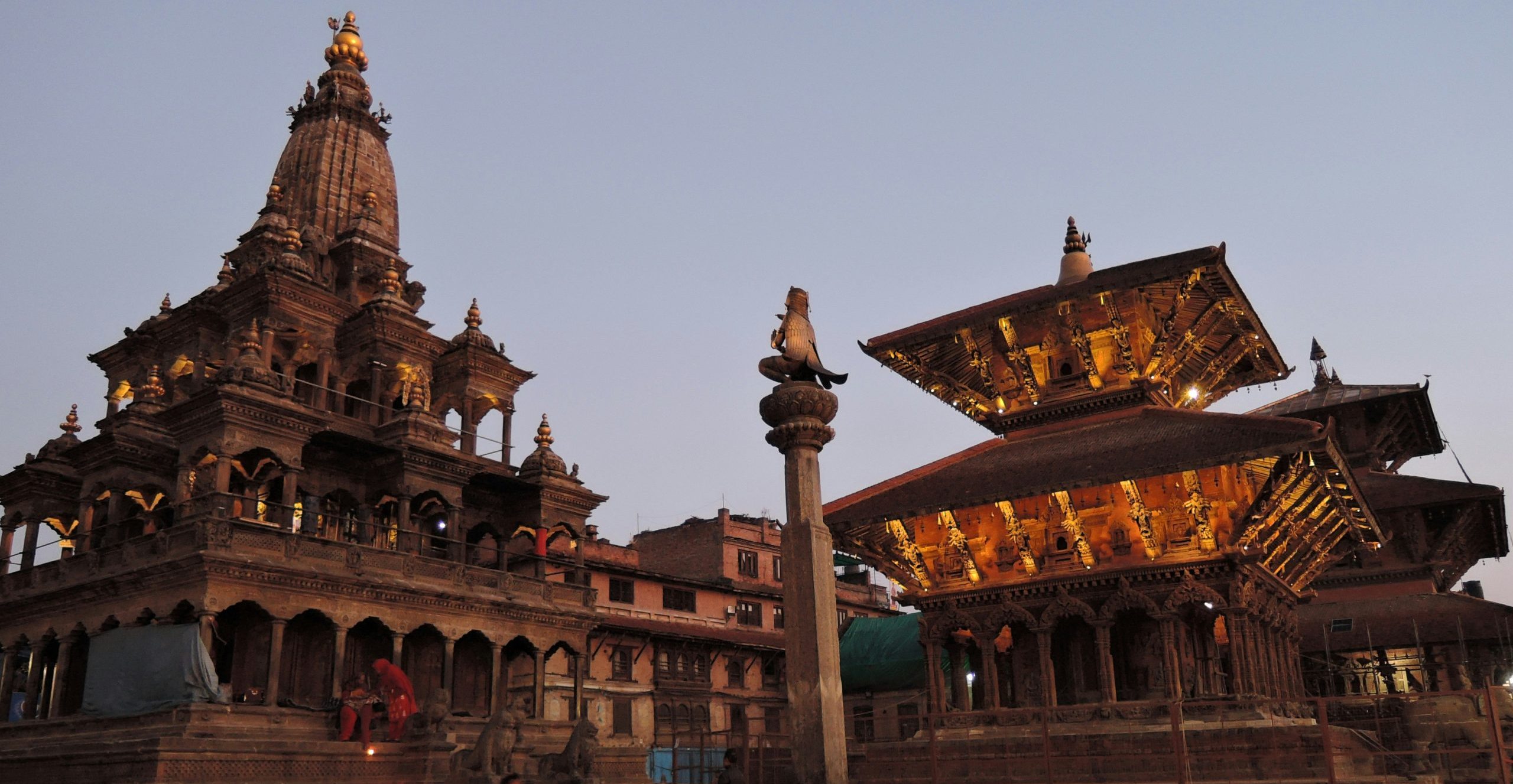
UNESCO World Heritage Sites in Nepal: A Complete Guide
Nepal is a land where ancient civilizations, sacred pilgrimage sites, breathtaking Himalayan landscapes, and diverse wildlife come together to create a remarkable travel destination. While many travelers know Nepal for Mount Everest and world-class trekking, the country is also home to some of South Asia’s most significant cultural and natural treasures.
Nepal has four UNESCO World Heritage properties:
- Kathmandu Valley (which includes seven Monument Zones)
- Lumbini, the Birthplace of the Lord Buddha
- Chitwan National Park
- Sagarmatha National Park
Together, these encompass the 10 iconic UNESCO destinations that travelers commonly visit across Nepal.
Whether you’re a history enthusiast, a spiritual seeker, a wildlife lover, or an adventure traveler, Nepal’s UNESCO World Heritage Sites offer unforgettable experiences that showcase the country’s incredible diversity.
What is UNESCO?
The United Nations Educational, Scientific and Cultural Organization (UNESCO) recognizes places of exceptional cultural or natural importance through its World Heritage List. These sites are protected because of their outstanding universal value and are preserved for future generations.
Nepal’s UNESCO-listed destinations reflect centuries of history, religious harmony, architectural brilliance, and extraordinary biodiversity, making them must-visit attractions for anyone exploring the country.
UNESCO World Heritage Sites in Nepal at a Glance
| Site | Type | Province |
|---|---|---|
| Kathmandu Durbar Square | Cultural | Bagmati |
| Patan Durbar Square | Cultural | Bagmati |
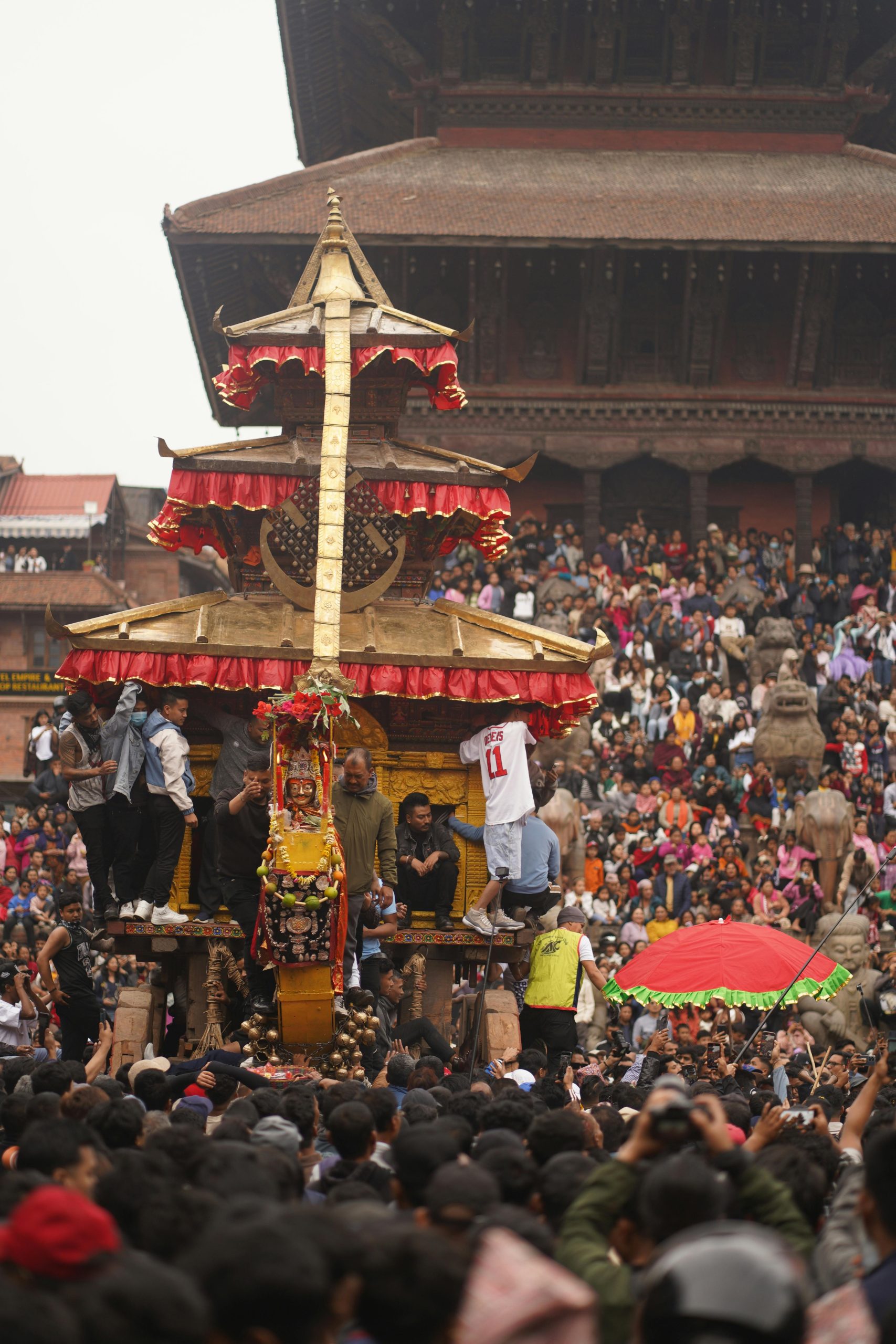
| Bhaktapur Durbar Square | Cultural | Bagmati |
| Swayambhunath Stupa | Cultural | Bagmati |
| Boudhanath Stupa | Cultural | Bagmati |
| Pashupatinath Temple | Cultural | Bagmati |
| Changu Narayan Temple | Cultural | Bagmati |
| Lumbini | Cultural | Lumbini |
| Chitwan National Park | Natural | Bagmati & Madhesh |
| Sagarmatha National Park | Natural | Koshi |
Cultural UNESCO Heritage Sites
1. Kathmandu Durbar Square
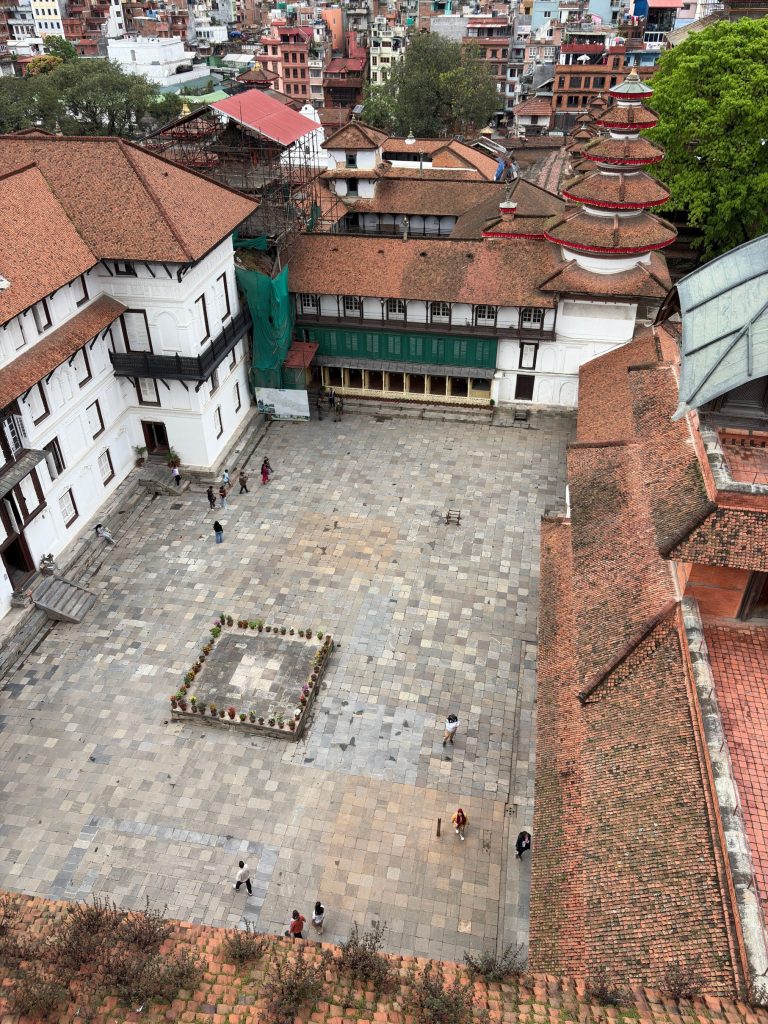
Once the royal palace of the Malla and Shah kings, Kathmandu Durbar Square stands as one of Nepal’s most historically significant landmarks. The square is a vibrant collection of temples, palaces, courtyards, and shrines that illustrate centuries of Newari architecture and craftsmanship.
Highlights
- Hanuman Dhoka Palace
- Kumari Ghar (Home of the Living Goddess)
- Taleju Temple
- Ancient courtyards
- Traditional Newari architecture
- Museums and cultural exhibits
Although the 2015 earthquake damaged parts of the square, ongoing restoration continues to preserve its timeless beauty.
Best time to visit: Morning or late afternoon.
2. Patan Durbar Square
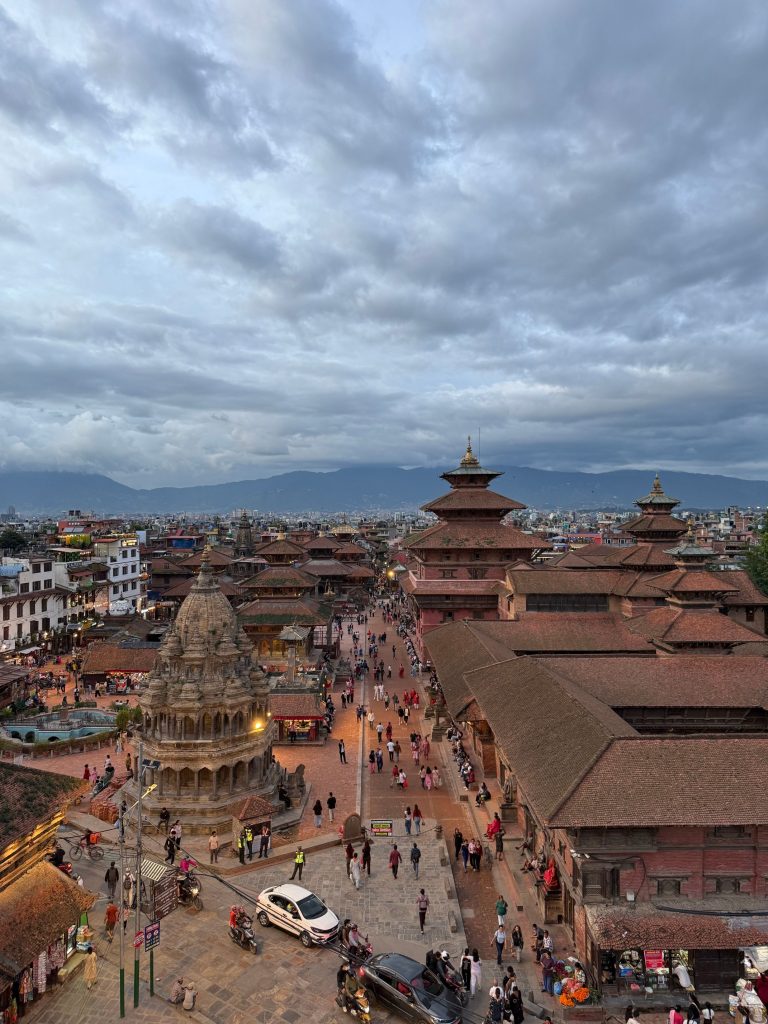
Located in Lalitpur, Patan Durbar Square is widely regarded as one of the finest examples of Newari artistry in Nepal. Every temple, courtyard, and sculpture reflects the city’s rich artistic heritage.
Don’t Miss
- Krishna Mandir
- Patan Museum
- Golden Temple (Hiranya Varna Mahavihar)
- Mul Chowk
- Traditional bronze and metal workshops
Patan is also famous for its skilled artisans who continue centuries-old traditions of metalwork and wood carving.
3. Bhaktapur Durbar Square
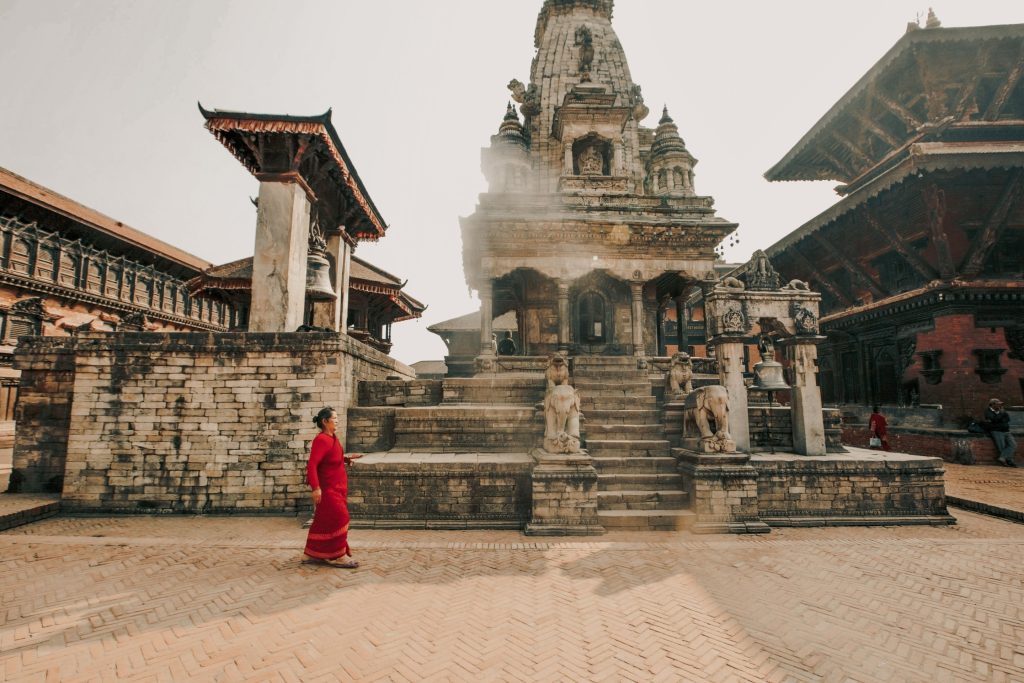
Walking through Bhaktapur feels like stepping back in time. This beautifully preserved medieval city is known for its narrow brick streets, ancient temples, and thriving artisan communities.
Top Attractions
- Nyatapola Temple
- 55-Window Palace
- Pottery Square
- Dattatreya Square
- Traditional wood carvings
While exploring, don’t forget to try the city’s famous Juju Dhau (King Curd), a beloved local delicacy.
4. Swayambhunath Stupa (Monkey Temple)
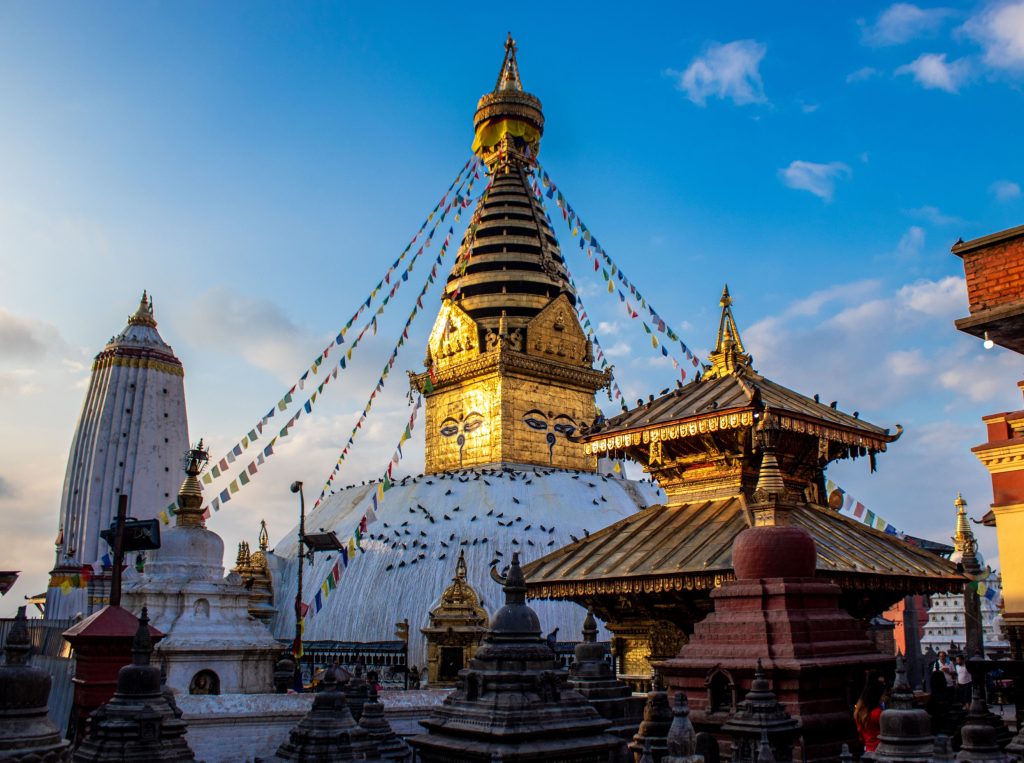
Perched atop a hill overlooking Kathmandu Valley, Swayambhunath is one of Nepal’s oldest and most sacred Buddhist pilgrimage sites.
Why Visit?
- Panoramic views of Kathmandu
- Giant Buddha eyes
- Colorful prayer flags
- Tibetan monasteries
- Peaceful spiritual atmosphere
The resident monkeys have earned the temple its popular nickname, the “Monkey Temple.”
5. Boudhanath Stupa
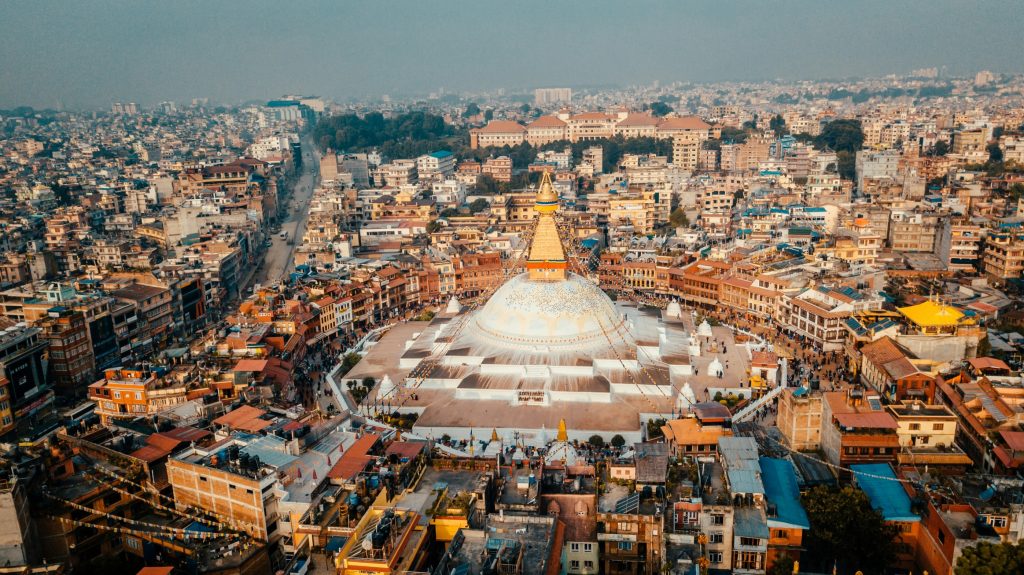
Boudhanath is one of the largest spherical stupas in the world and an important center of Tibetan Buddhism.
Pilgrims circle the stupa while spinning prayer wheels and chanting mantras, creating a peaceful atmosphere unlike anywhere else in Nepal.
Experience
- Walk the kora (circumambulation)
- Visit Buddhist monasteries
- Enjoy rooftop cafés overlooking the stupa
- Light butter lamps during evening prayers
- Shop for Tibetan handicrafts
Sunset is one of the best times to experience the stupa’s tranquil ambiance.
6. Pashupatinath Temple

Situated along the sacred Bagmati River, Pashupatinath is Nepal’s most important Hindu temple dedicated to Lord Shiva.
Every year, millions of pilgrims visit this sacred complex, especially during Maha Shivaratri.
Highlights
- Ancient pagoda-style temple
- Sacred cremation ghats
- Evening Aarati ceremony
- Riverside temples
- Holy sadhus (ascetics)
While only practicing Hindus may enter the main temple, visitors of all faiths are welcome to explore the surrounding complex.
7. Changu Narayan Temple
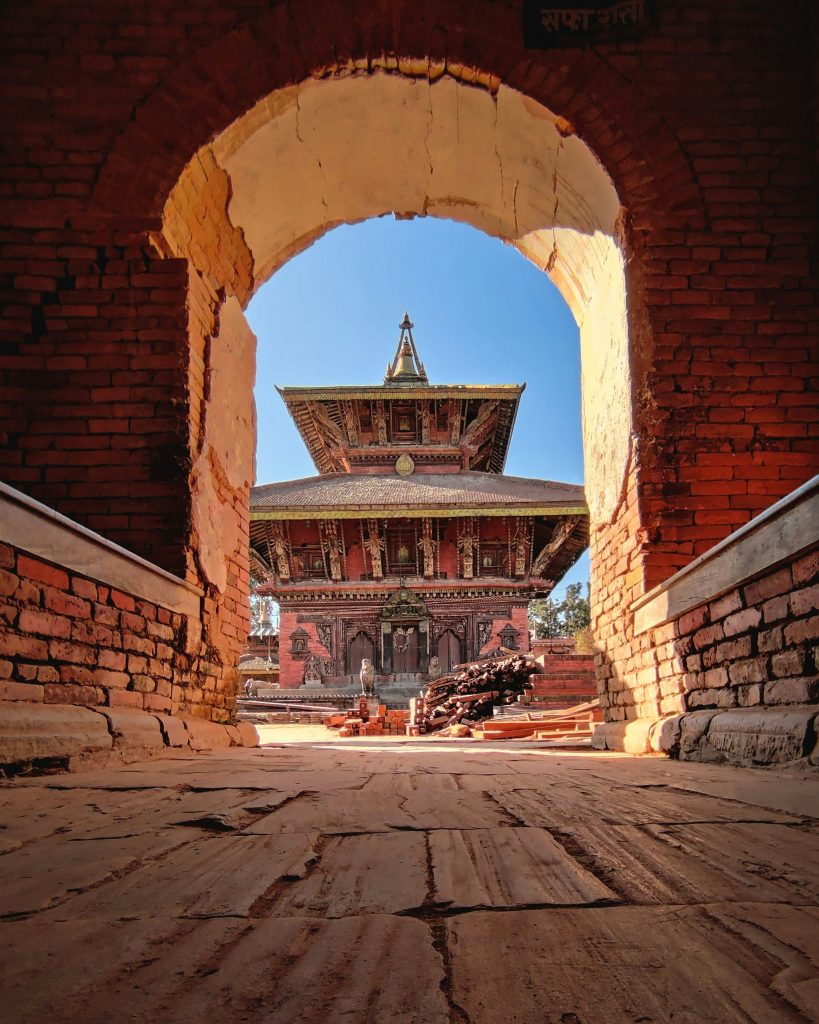
Often overlooked by visitors, Changu Narayan is believed to be Nepal’s oldest surviving Hindu temple, with origins dating back over 1,500 years.
Located on a peaceful hilltop northeast of Kathmandu, the temple is renowned for its intricate wood carvings, ancient stone inscriptions, and beautifully preserved architecture.
Highlights
- Ancient Vishnu temple
- Stone sculptures
- Historic inscriptions
- Traditional village setting
- Panoramic valley views
8. Lumbini – Birthplace of Lord Buddha
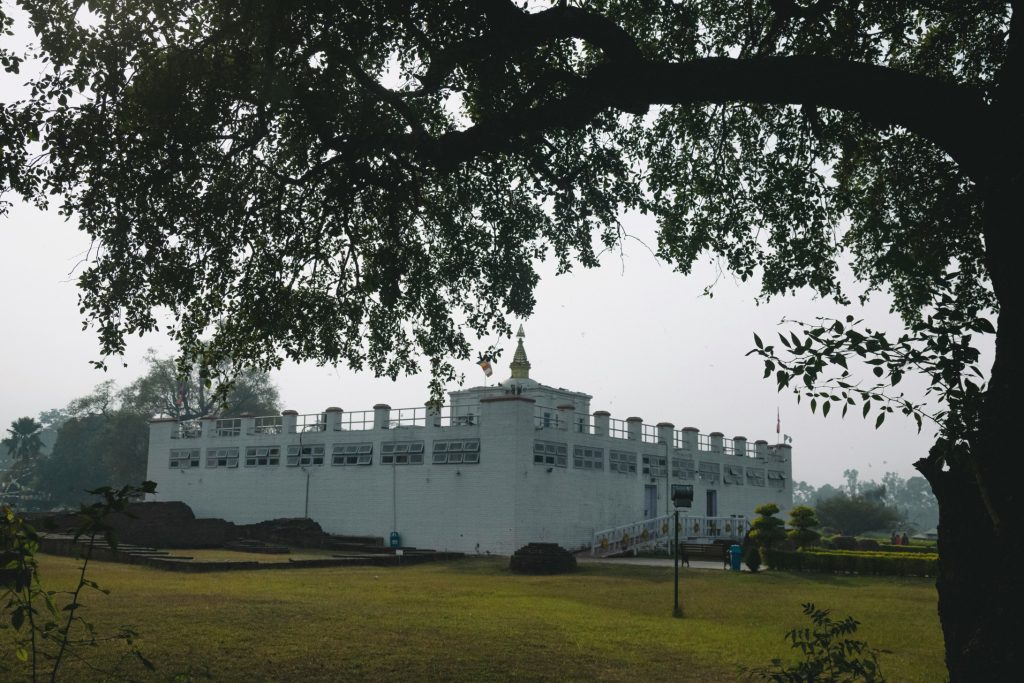
Lumbini is one of the world’s most important pilgrimage destinations and the birthplace of Siddhartha Gautama, who later became the Buddha.
Recognized by UNESCO for its immense historical and spiritual significance, Lumbini attracts pilgrims and travelers from across the globe.
Must-Visit Places
- Maya Devi Temple
- Sacred Garden
- Ashoka Pillar
- International Monastic Zone
- World Peace Flame
The peaceful surroundings make Lumbini an ideal destination for reflection and spiritual exploration.
Natural UNESCO Heritage Sites
9. Chitwan National Park
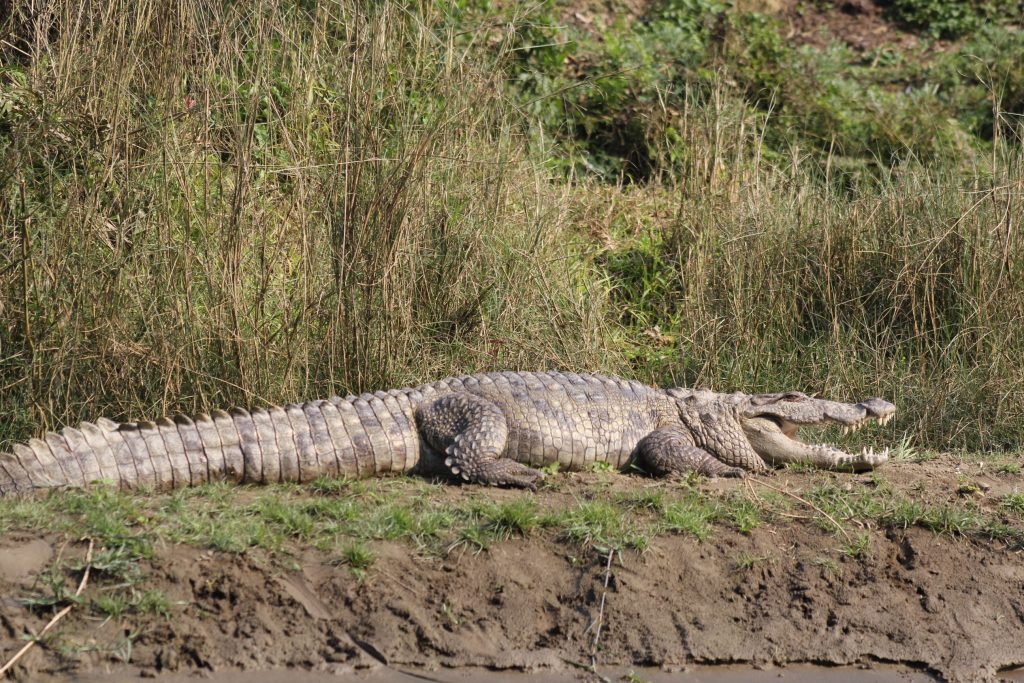
Established in 1973, Chitwan National Park became Nepal’s first national park and remains one of Asia’s finest wildlife destinations.
Its lush forests, grasslands, and rivers support an incredible variety of wildlife.
Wildlife Highlights
- Greater One-Horned Rhinoceros
- Bengal Tiger
- Asian Elephant
- Sloth Bear
- Gharial Crocodile
- More than 600 species of birds
Popular Activities
- Jeep safaris
- Canoe rides
- Jungle walks
- Birdwatching
- Tharu cultural performances
Chitwan offers an entirely different side of Nepal, far removed from the towering Himalayas.
10. Sagarmatha National Park
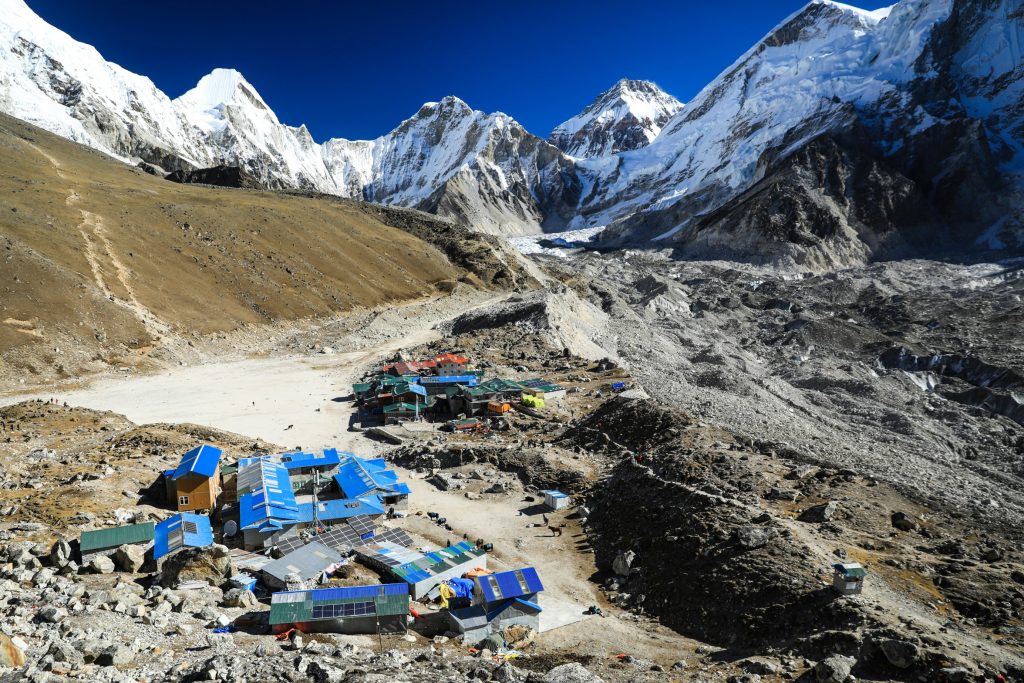
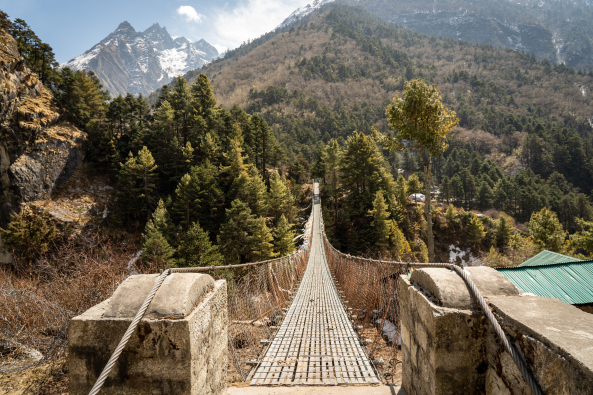
Home to the world’s highest peak, Mount Everest (Sagarmatha), this spectacular national park protects dramatic alpine landscapes, glaciers, forests, and Sherpa villages.
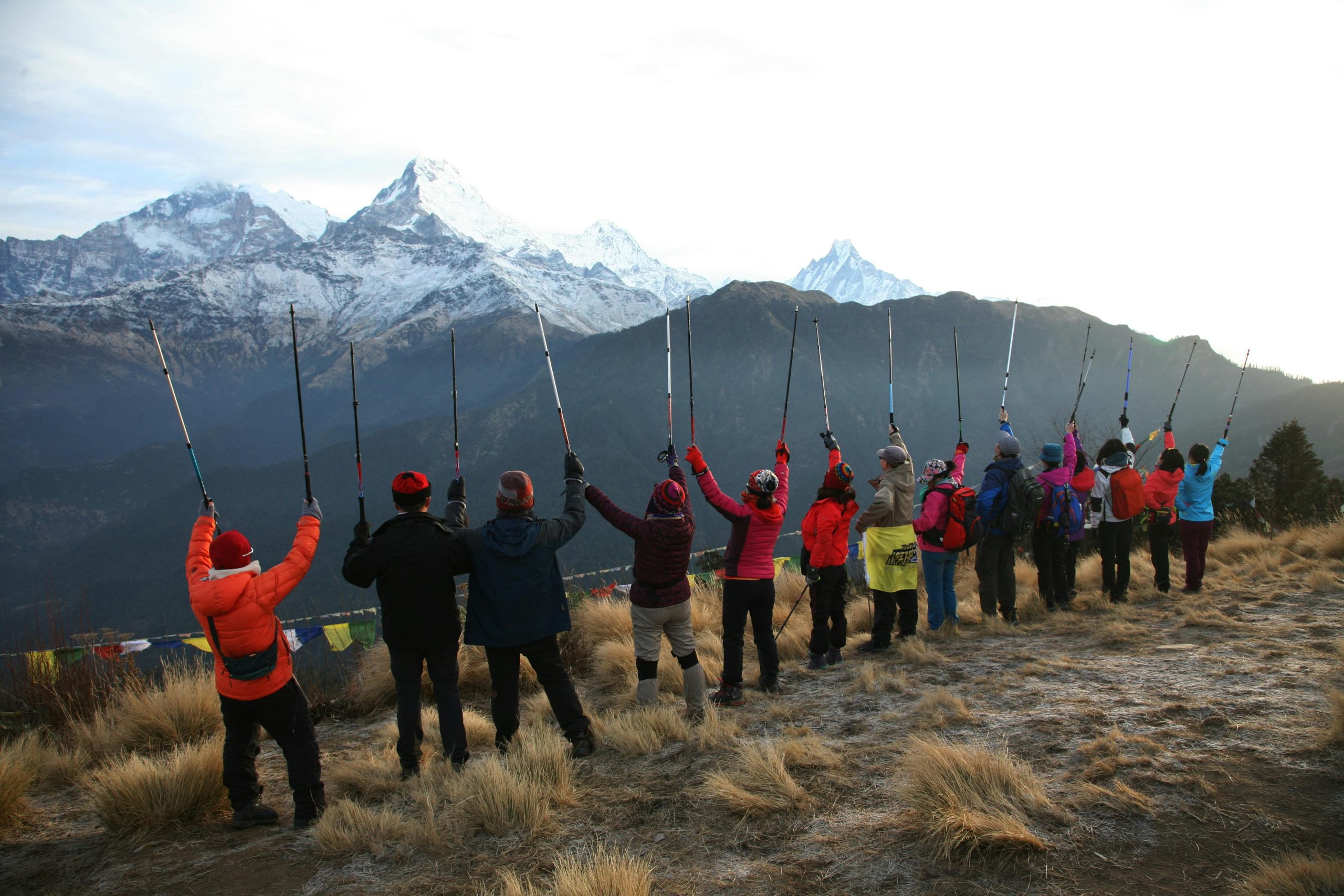
For trekkers and nature lovers, Sagarmatha National Park is one of the world’s greatest mountain destinations.
Highlights
- Mount Everest
- Namche Bazaar
- Tengboche Monastery
- Khumbu Glacier
- Sherpa culture
- Alpine wildlife
Even travelers who don’t trek to Everest Base Camp can enjoy scenic mountain flights that offer breathtaking views of the Himalayas.
Best Time to Visit Nepal’s UNESCO Sites
Spring (March–May)
Warm weather, blooming rhododendrons, and excellent trekking conditions.
Autumn (September–November)
The most popular season, offering clear skies, comfortable temperatures, and stunning mountain views.
Winter (December–February)
Cool weather with fewer crowds at cultural attractions.
Monsoon (June–August)
Lush green landscapes and quieter destinations, although rain may occasionally affect travel plans.
Responsible Tourism Tips
- Dress respectfully when visiting temples and monasteries.
- Remove your shoes before entering religious buildings where required.
- Ask permission before photographing monks or local people.
- Avoid touching or climbing on ancient monuments.
- Dispose of waste responsibly.
- Support local artisans by purchasing authentic handmade products.
Responsible travel helps preserve Nepal’s cultural heritage and natural beauty for future generations.
Frequently Asked Questions
How many UNESCO World Heritage Sites does Nepal have?
Nepal has four UNESCO World Heritage properties. The Kathmandu Valley property contains seven Monument Zones, which is why travelers often refer to the country’s 10 UNESCO destinations.
Can all UNESCO sites be visited in one trip?
Yes. A well-planned itinerary of 10–14 days allows visitors to experience Nepal’s major UNESCO destinations. Including Sagarmatha National Park requires additional time for trekking or a scenic mountain flight.
Which UNESCO site is best for wildlife?
Chitwan National Park is Nepal’s premier wildlife destination, famous for rhinoceroses, Bengal tigers, elephants, crocodiles, and exceptional birdwatching.
Which UNESCO site is best for first-time visitors?
If you’re visiting Nepal for the first time, prioritize the Kathmandu Valley monuments, Pashupatinath, Boudhanath, Bhaktapur, and Chitwan National Park for a well-rounded introduction to the country.
Final Thoughts
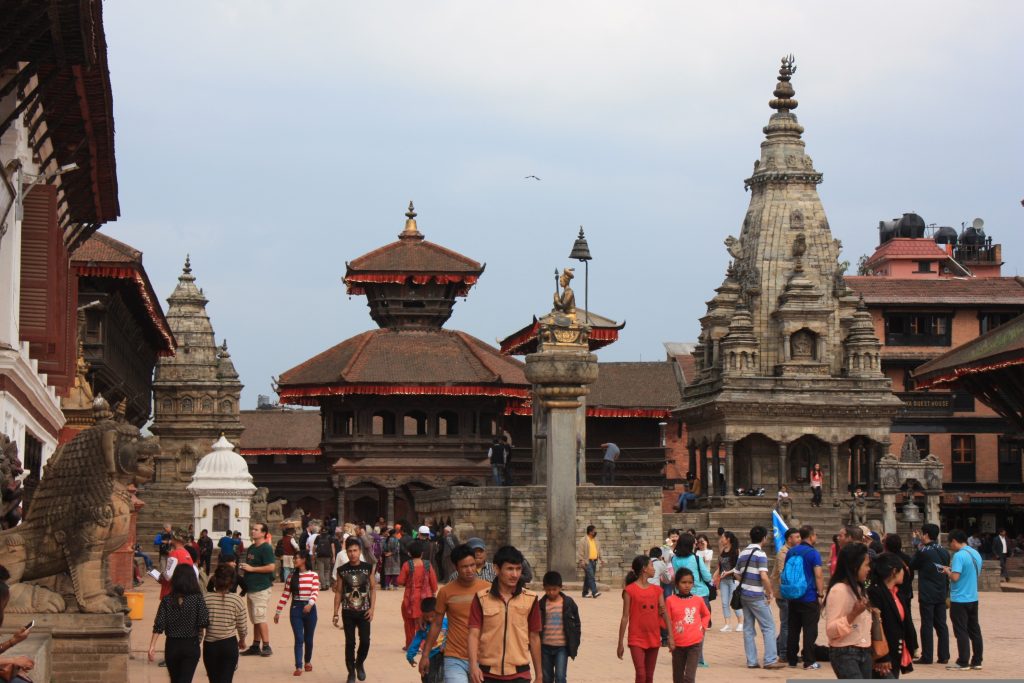
Nepal’s UNESCO World Heritage Sites tell the story of a nation shaped by centuries of culture, spirituality, and natural beauty. From the ancient palace squares of the Kathmandu Valley and the sacred birthplace of Lord Buddha in Lumbini to the wildlife-rich jungles of Chitwan and the majestic peaks of Sagarmatha, each destination offers a unique window into Nepal’s remarkable heritage.
Whether you’re drawn by history, architecture, religion, wildlife, or adventure, these UNESCO-listed sites provide experiences that will stay with you long after your journey ends. They are more than landmarks—they are living treasures that continue to inspire travelers from around the world.
Plan Your UNESCO Heritage Journey with EHT Travel
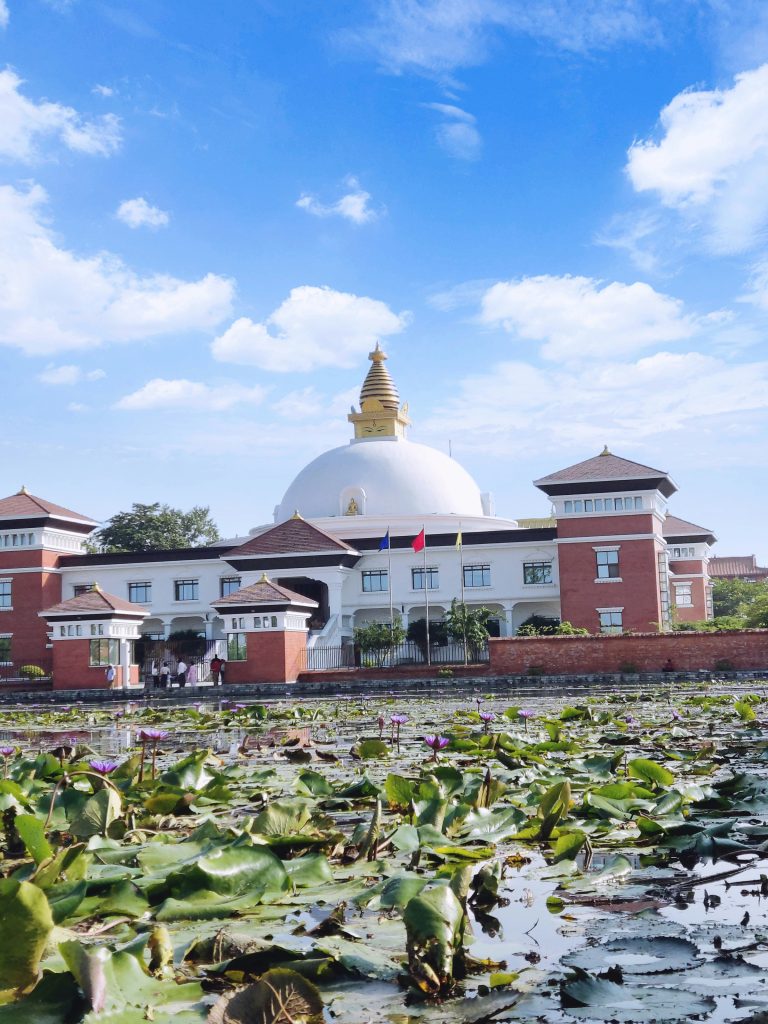
Ready to discover Nepal’s UNESCO World Heritage Sites? At EHT Travel, we specialize in creating personalized journeys that showcase the very best of Nepal’s culture, history, wildlife, and breathtaking landscapes.
Whether you’re looking for a heritage tour through the Kathmandu Valley, a wildlife safari in Chitwan, a spiritual pilgrimage to Lumbini, or an unforgettable Himalayan adventure, our experienced team is here to make your trip seamless and memorable.
Contact EHT Travel today and let us help you experience the timeless beauty of Nepal’s UNESCO World Heritage Sites.
Comments
Recent Posts