Annapurna Base Camp vs Everest Base Camp: Which Trek Is Right for You?
Nepal is home to some of the world’s most iconic trekking routes, but for many travelers, the biggest decision comes down to two legendary adventures: the Annapurna Base Camp (ABC) Trek and the Everest Base Camp (EBC) Trek.
Both journeys offer breathtaking Himalayan scenery, rich cultural experiences, and unforgettable memories. Yet they are remarkably different in terms of altitude, landscapes, difficulty, budget, and overall trekking experience.
If you’re wondering which trek is best for your next Himalayan adventure, this guide will help you make an informed choice.
Overview of the Two Treks
Annapurna Base Camp Trek
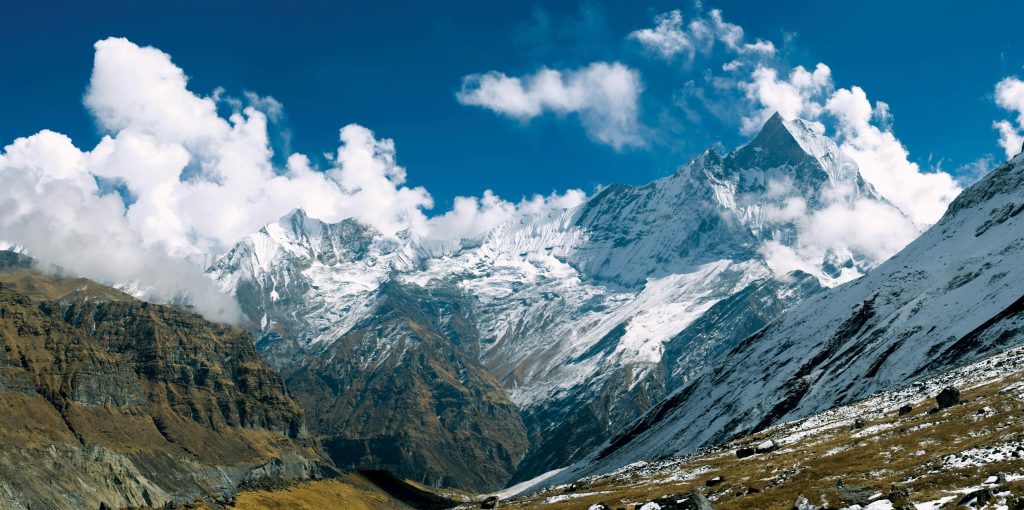
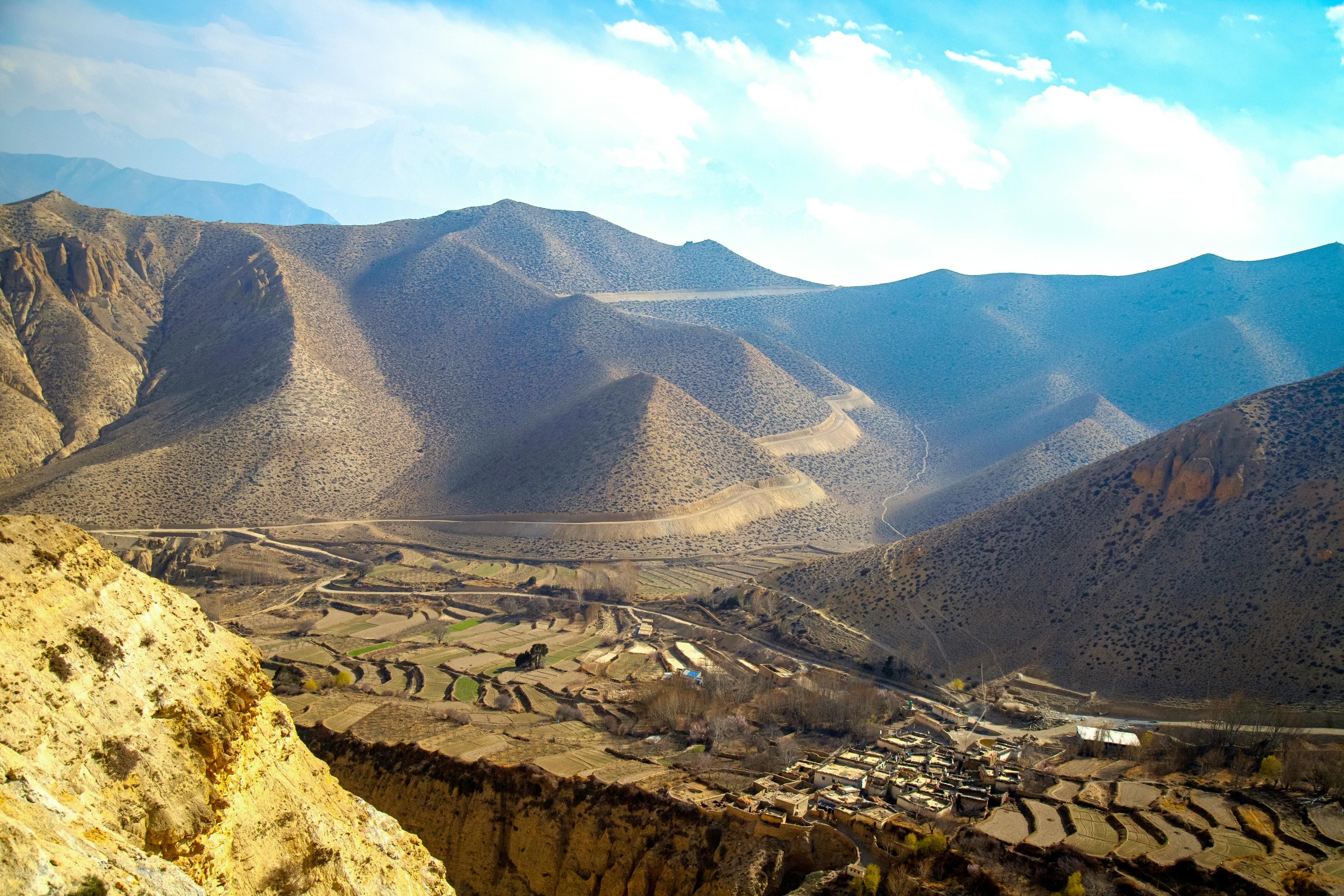
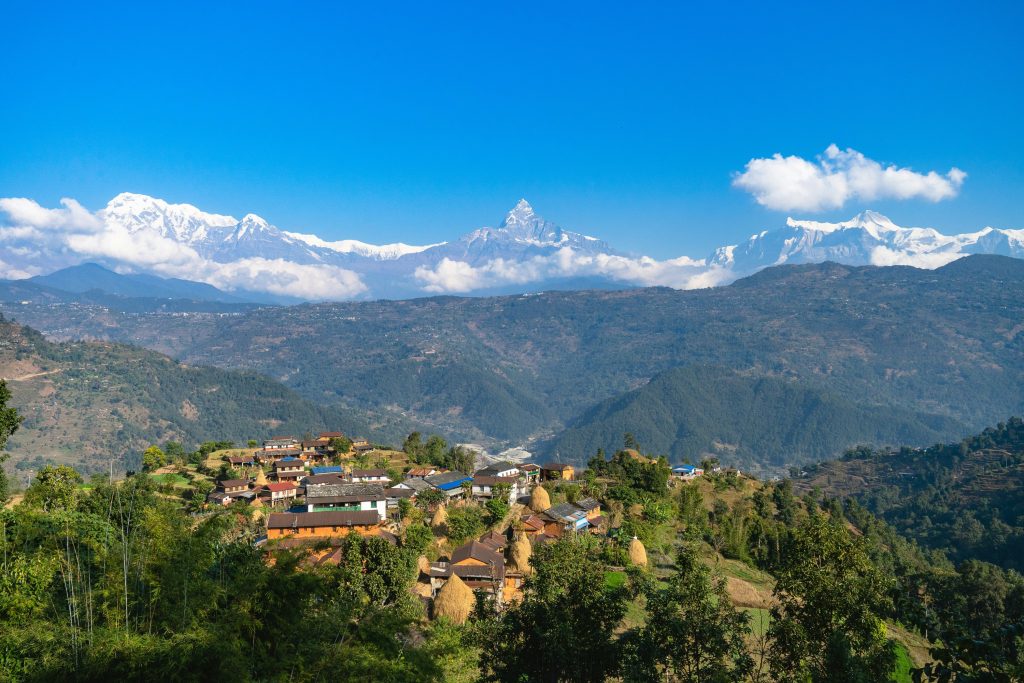
The Annapurna Base Camp Trek takes trekkers deep into the heart of the Annapurna region. The trail winds through terraced farmlands, traditional Gurung and Magar villages, rhododendron forests, and alpine landscapes before reaching Annapurna Base Camp at 4,130 meters.
The trek offers a unique opportunity to stand within a natural amphitheater surrounded by towering Himalayan peaks.
Everest Base Camp Trek
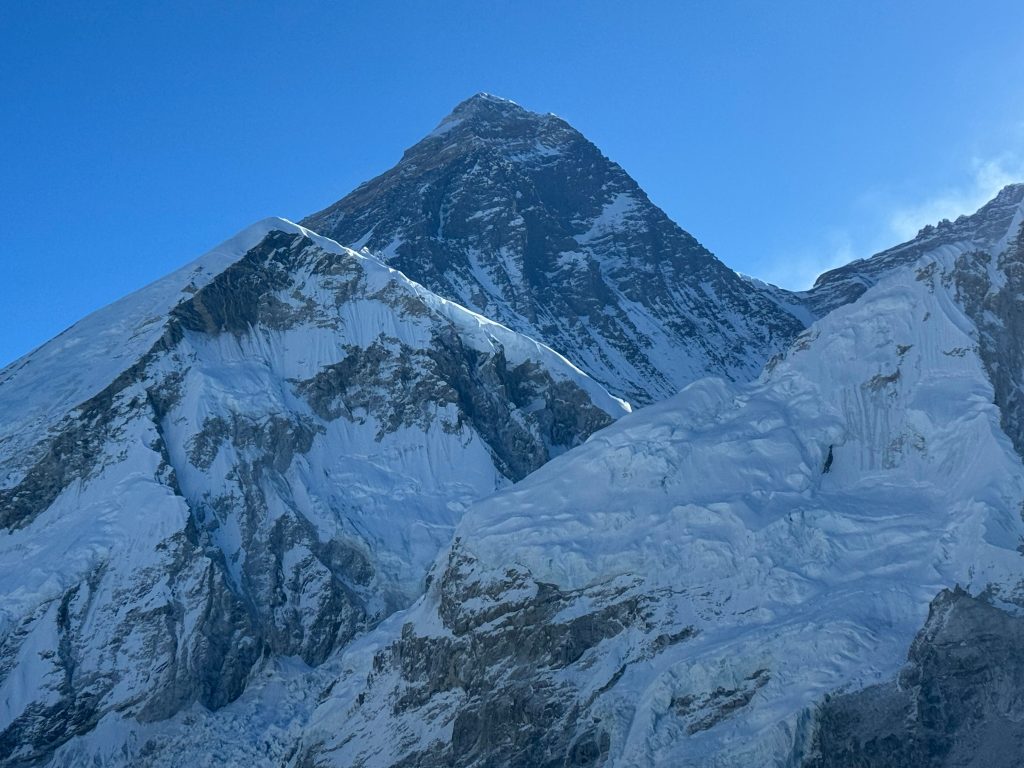
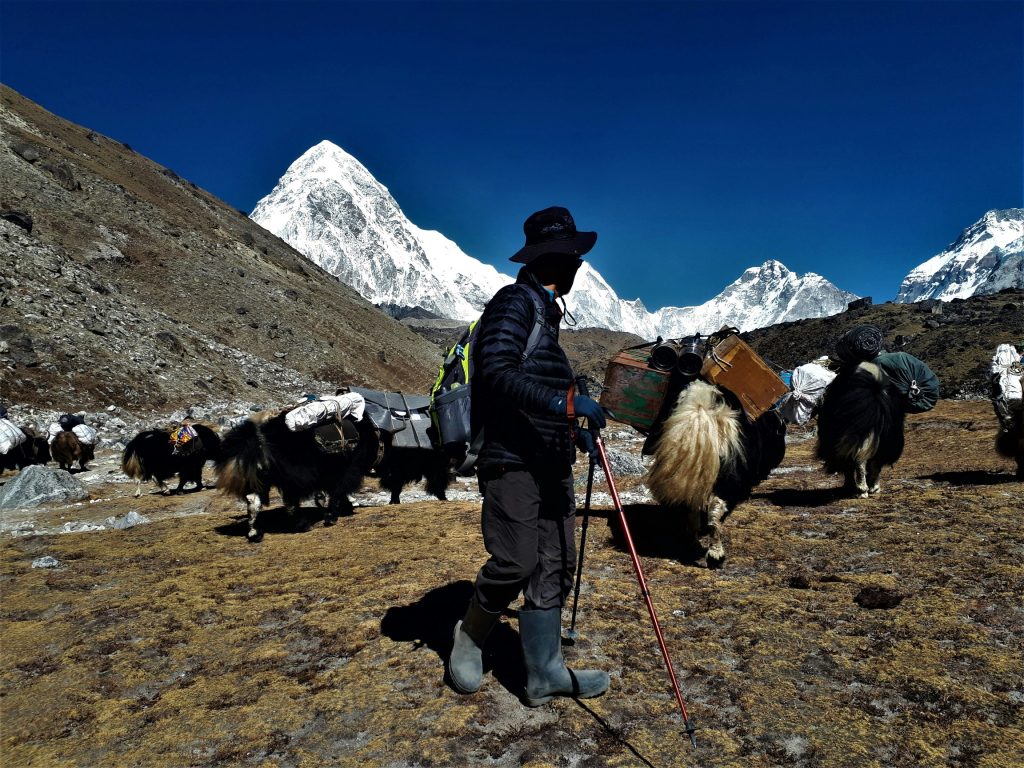
The Everest Base Camp Trek leads adventurers into the famous Khumbu region, home of the Sherpa people and the world’s highest mountain, Mount Everest.
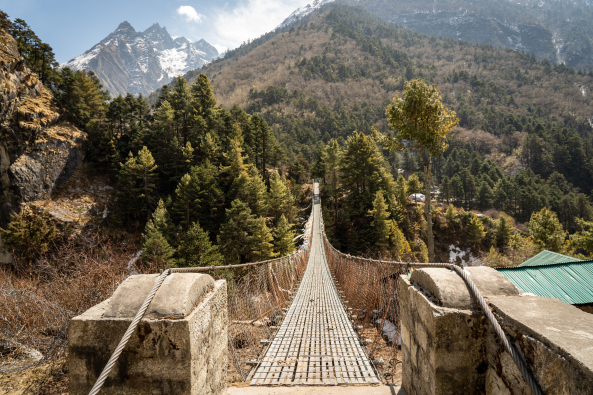
Starting with a scenic flight to Lukla Airport, trekkers journey through dramatic valleys, suspension bridges, monasteries, and high-altitude settlements before reaching Everest Base Camp at 5,364 meters.
Quick Comparison
| Feature | Annapurna Base Camp | Everest Base Camp |
|---|---|---|
| Maximum Altitude | 4,130 m | 5,364 m |
| Duration | 7–12 Days | 12–16 Days |
| Difficulty | Moderate | Moderate to Challenging |
| Accommodation | Comfortable Tea Houses | Tea Houses |
| Cost | Lower | Higher |
| Flight Required | No | Yes |
| Risk of Altitude Sickness | Moderate | Higher |
| Crowds | Moderate | High During Peak Season |
| Best For | First-Time Trekkers | Bucket-List Adventurers |
Scenery: Which Trek Has Better Views?
Annapurna Base Camp
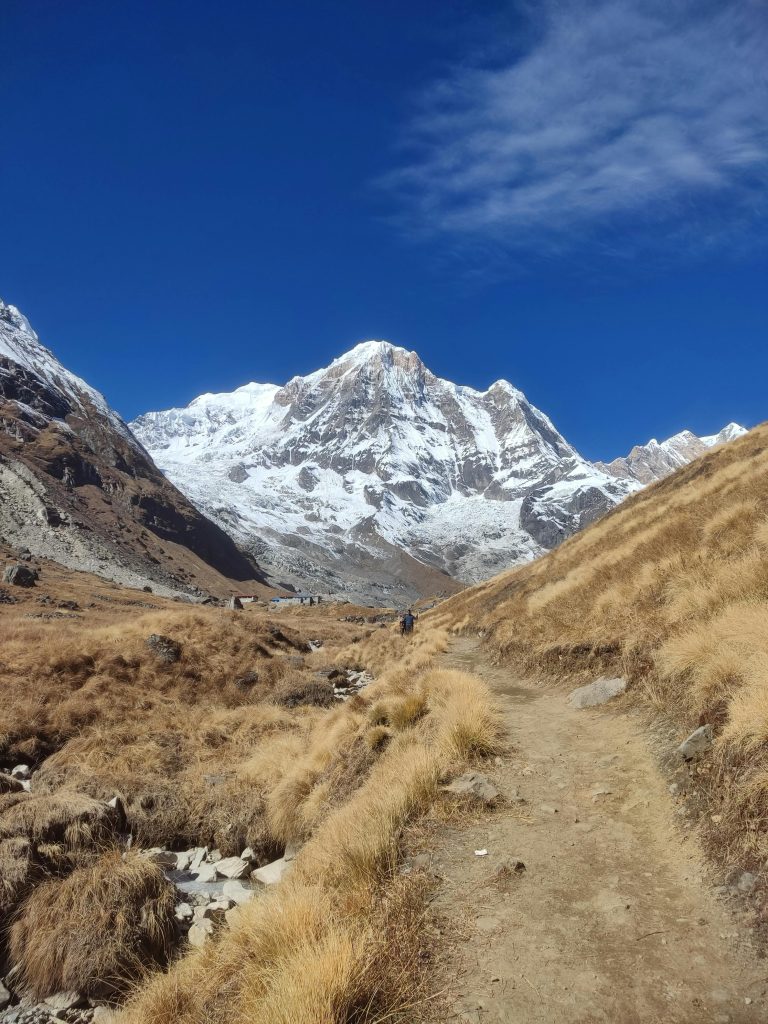
The Annapurna region offers extraordinary diversity.
In just a few days, you’ll pass through:
- Traditional mountain villages
- Rice terraces
- Bamboo forests
- Rhododendron forests
- Waterfalls
- Glacier landscapes
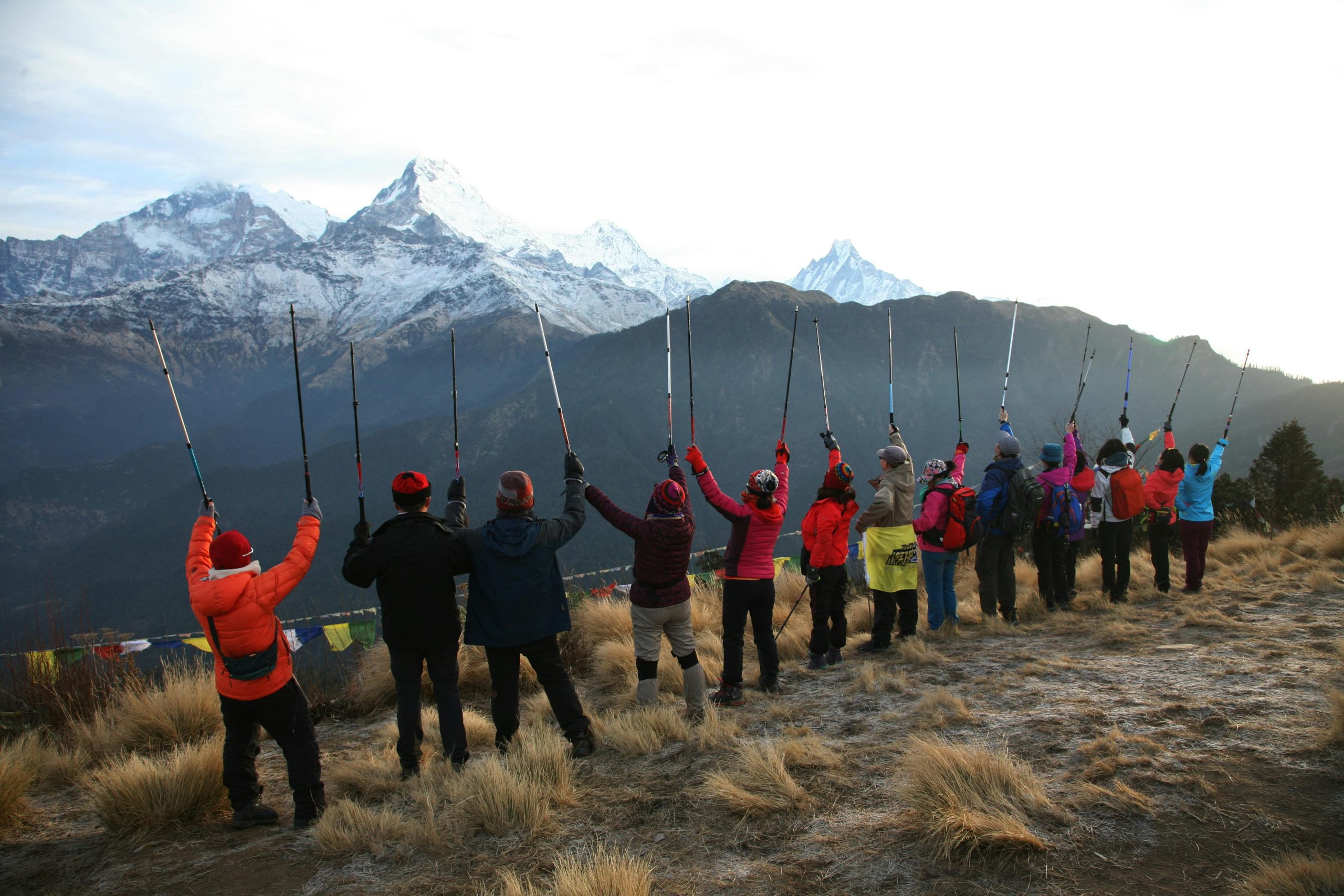
Upon reaching base camp, trekkers are surrounded by an incredible circle of peaks including:
- Annapurna I
- Machhapuchhre
- Annapurna South
- Hiunchuli
Everest Base Camp
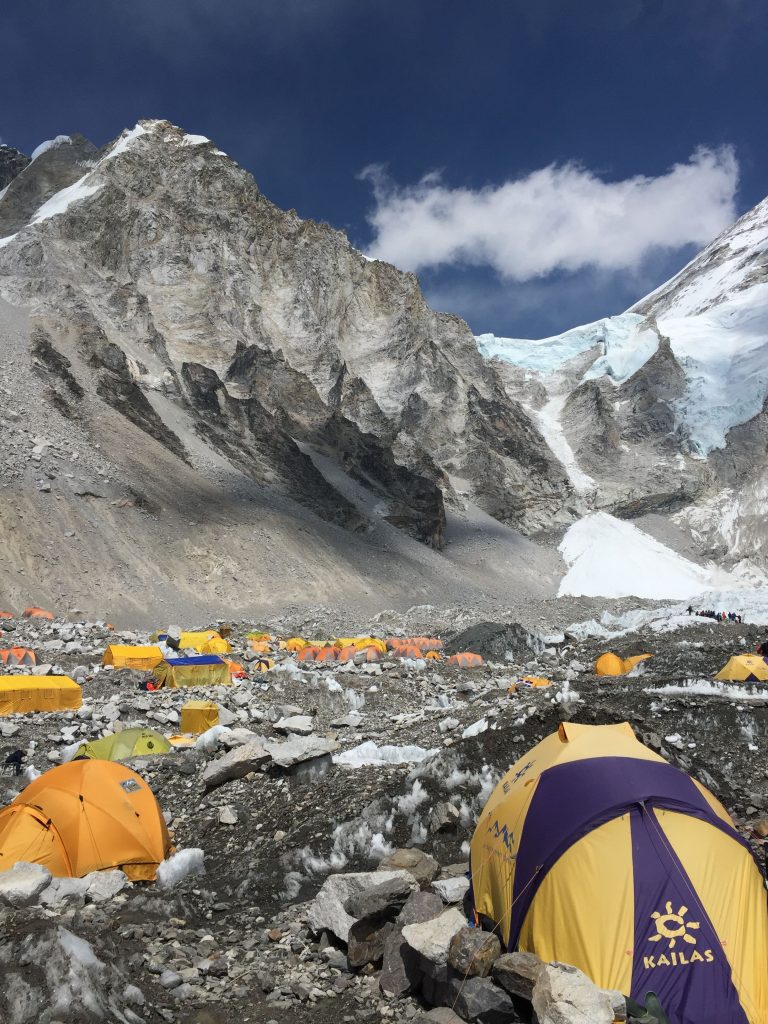
The Everest region delivers some of the most iconic mountain scenery on Earth.
Highlights include:
- Mount Everest
- Ama Dablam
- Lhotse
- Nuptse
- Khumbu Glacier
Winner: Everest Base Camp for dramatic high-altitude mountain views. Annapurna Base Camp for landscape diversity.
Difficulty and Physical Challenge
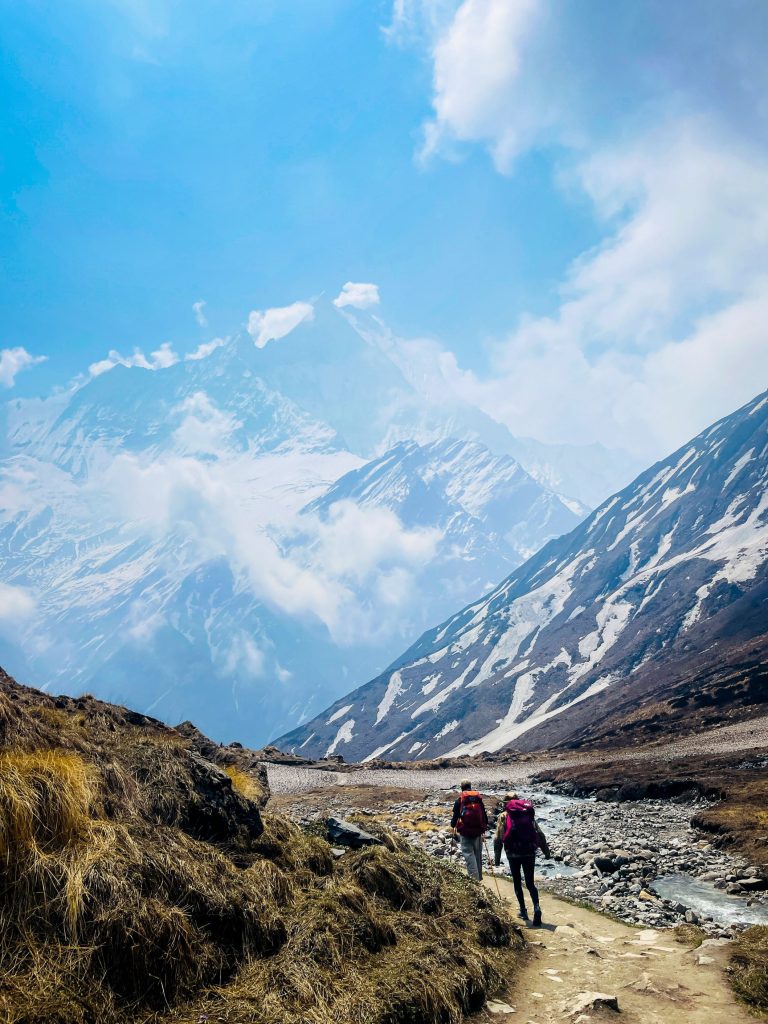
Annapurna Base Camp
ABC is generally considered more accessible for first-time trekkers.
Advantages include:
- Lower altitude
- Shorter itinerary
- Less risk of altitude sickness
- Better oxygen levels
Daily walking averages 5–7 hours.
Everest Base Camp
EBC is significantly more demanding due to altitude.
Challenges include:
- Longer trekking days
- Higher elevation
- Colder temperatures
- Greater risk of Acute Mountain Sickness (AMS)
Daily walking often ranges between 6–8 hours.
Winner: Annapurna Base Camp for beginners.
Altitude and Acclimatization
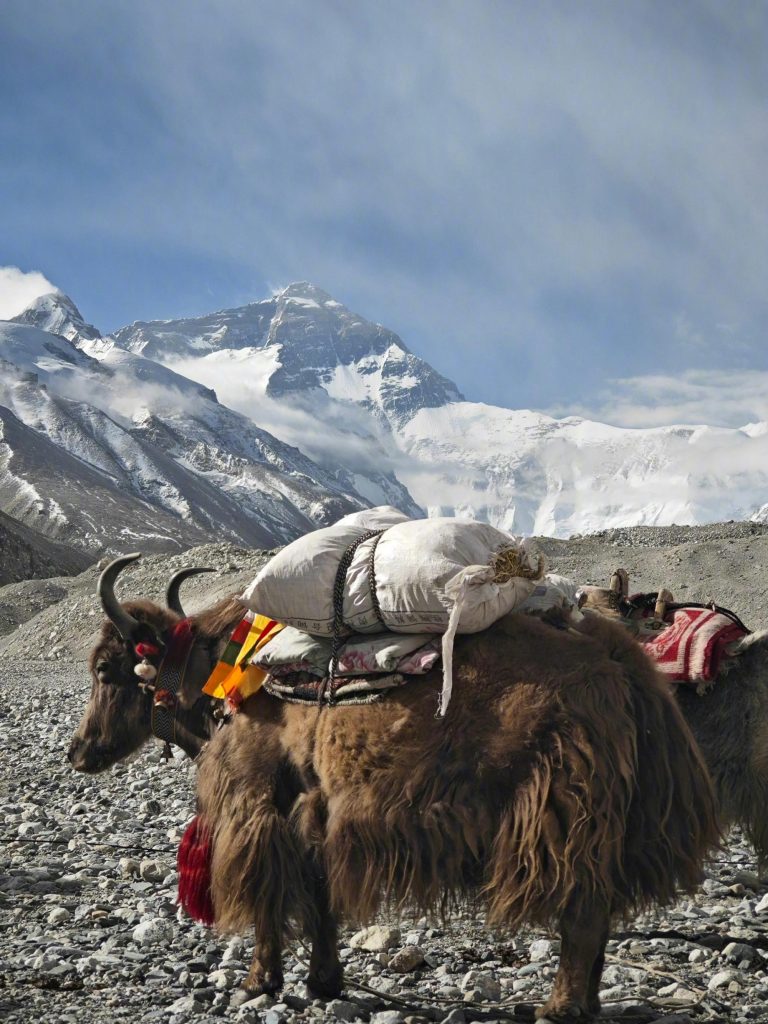
One of the most important differences between the two treks is elevation.
Annapurna Base Camp
Highest point:
- Annapurna Base Camp: 4,130 m
Most healthy trekkers can acclimatize comfortably.
Everest Base Camp
Highest points:
- Everest Base Camp: 5,364 m
- Kala Patthar: 5,545 m
Altitude becomes a major factor, requiring acclimatization days along the route.
Winner: Annapurna Base Camp for safer altitude conditions.
Culture and Local Experience
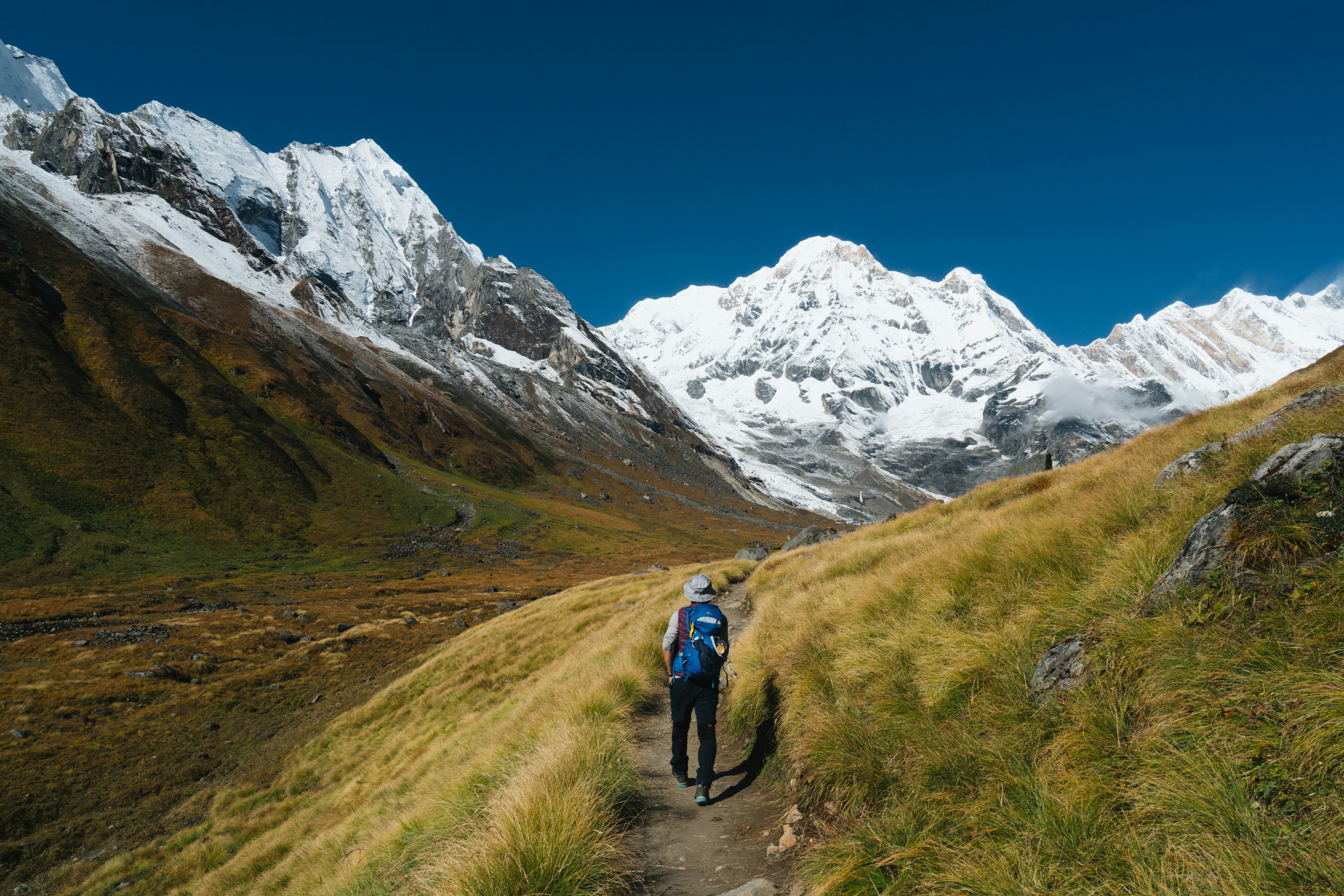
Annapurna Region
Trekkers encounter:
- Gurung communities
- Magar communities
- Traditional farming villages
- Local homestays
The cultural experience feels intimate and village-focused.
Everest Region
The Khumbu region offers rich Sherpa culture.
Highlights include:
- Ancient monasteries
- Prayer flags
- Mani walls
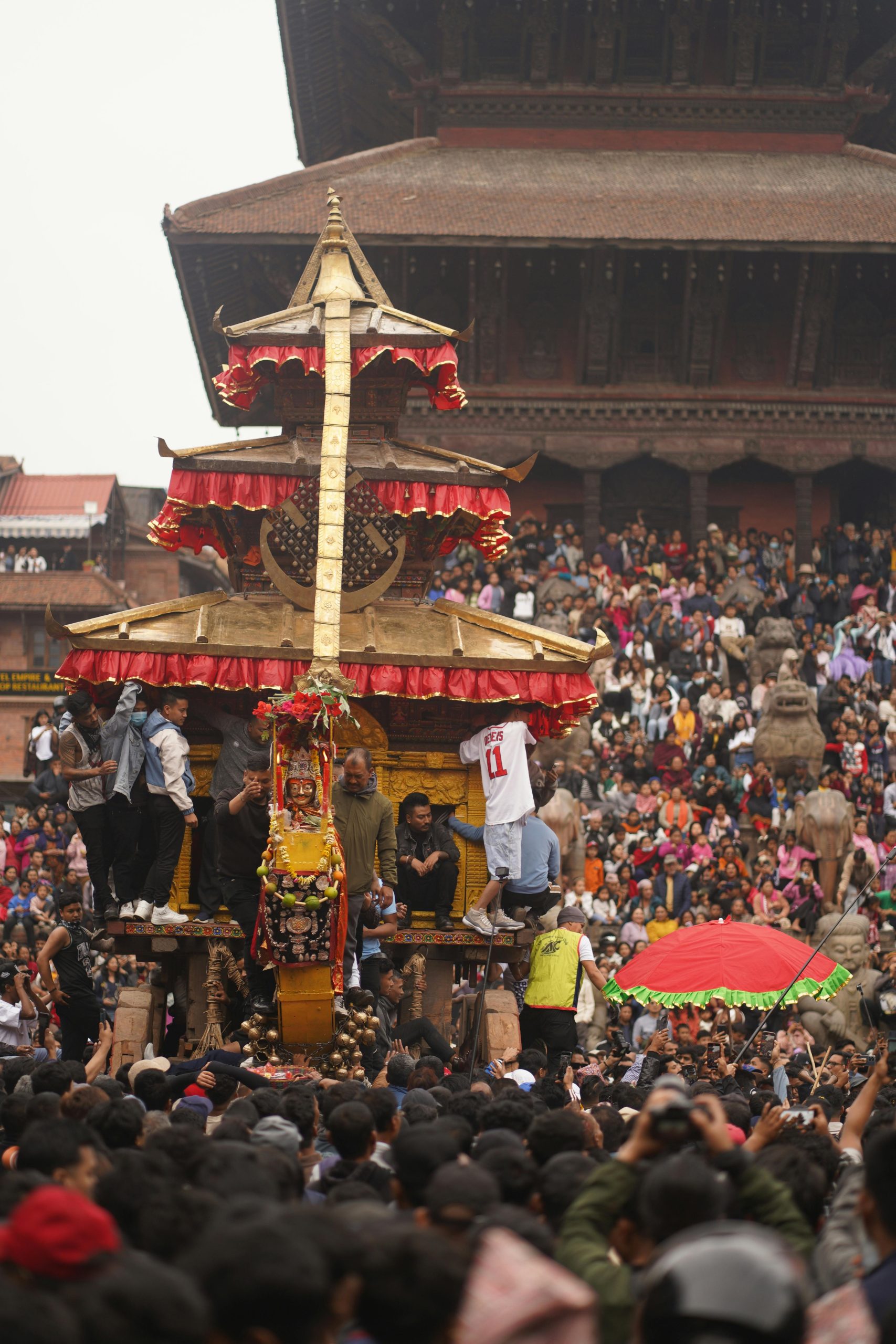
- Buddhist traditions
Notable stops include:
- Namche Bazaar
- Tengboche Monastery
Winner: Everest Base Camp for unique Sherpa culture.
Accommodation and Comfort
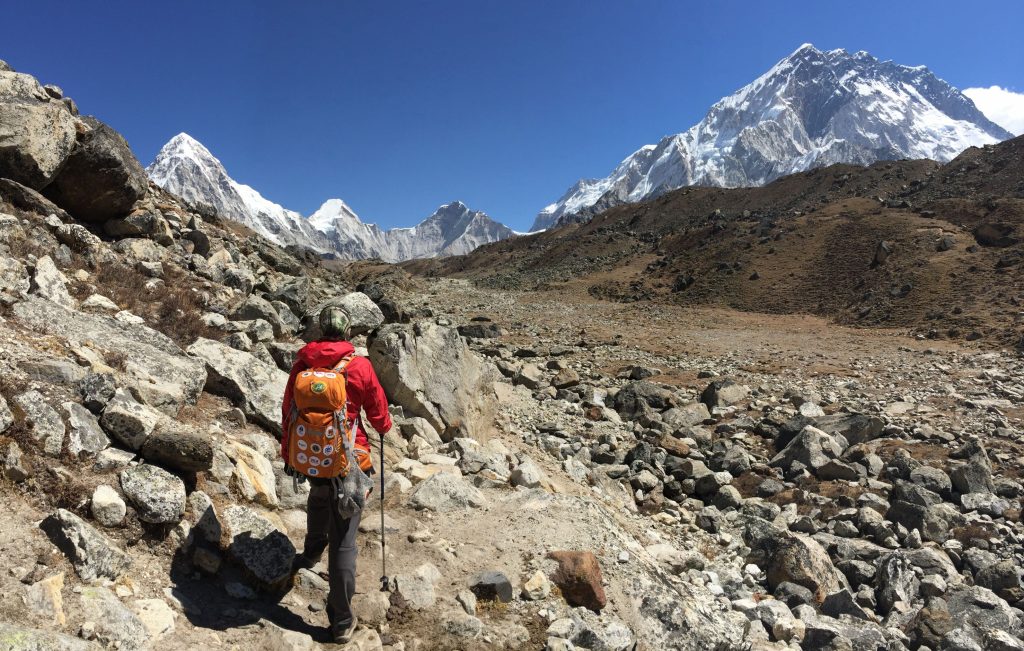
Annapurna Base Camp
Tea houses are generally:
- Comfortable
- Affordable
- Accessible
- Equipped with hot meals
Everest Base Camp
Tea houses are excellent but costs rise significantly with altitude.
Luxury lodges are available in some villages.
Winner: Annapurna Base Camp for value.
Best Time to Trek
Spring (March–May)
Excellent for both treks.
Highlights:
- Clear mountain views
- Blooming rhododendrons
- Comfortable temperatures
Autumn (September–November)
Generally considered the best trekking season.
Benefits:
- Stable weather
- Crisp visibility
- Dry trails
Winter (December–February)
Possible for experienced trekkers.
Monsoon (June–August)
Generally not recommended, although some Annapurna routes remain accessible.
Which Trek Is Better for First-Time Trekkers?
If this is your first Himalayan trekking experience, Annapurna Base Camp is often the better introduction.
Reasons:
- Lower altitude
- Shorter duration
- Easier logistics
- Lower cost
- Reduced AMS risk
Which Trek Is Better for Adventure Seekers?
Everest Base Camp remains one of the world’s greatest trekking achievements.
You should consider EBC if you:
- Want to see Mount Everest up close
- Have previous trekking experience
- Can handle higher altitudes
- Are prepared for longer trekking days
Final Verdict
Choose Annapurna Base Camp if you want:
✅ Lower altitude
✅ More varied landscapes
✅ Shorter trek
✅ Better value for money
✅ Beginner-friendly adventure
Choose Everest Base Camp if you want:
✅ The world’s most famous trekking route
✅ Spectacular high-altitude mountain scenery
✅ Sherpa culture and monasteries
✅ A true bucket-list Himalayan experience
Ultimately, there is no wrong choice. Both treks showcase the incredible beauty, culture, and hospitality that make Nepal one of the world’s greatest trekking destinations.
Ready to Choose Your Himalayan Adventure?
Whether you’re drawn to the diverse landscapes of the Annapurna Base Camp Trek or dream of standing in the shadow of Mount Everest, Nepal offers an unforgettable trekking experience for every adventurer.
At EHT Travel, we specialize in creating personalized trekking journeys tailored to your fitness level, travel style, and aspirations. From permits and accommodations to experienced guides and seamless logistics, our team ensures you can focus on enjoying the journey while we take care of the details.
Still unsure whether Annapurna Base Camp or Everest Base Camp is the right trek for you? Contact EHT Travel today for expert advice and let us help you plan the Himalayan adventure that best matches your goals.
Your journey to the heart of the Himalayas starts here.
Comments
Recent Posts