10 Ancient Royal Palaces You Can Visit in Nepal:
A Journey Through the Kingdom’s Regal Past (2026/27 Guide)
Nepal is renowned for its towering Himalayan peaks, sacred temples, and vibrant festivals, but its ancient royal heritage is equally captivating. For centuries, Nepal was ruled by powerful dynasties that shaped the country’s art, culture, religion, and architecture. Their legacy lives on in magnificent royal palaces scattered across the country, from the UNESCO-listed Durbar Squares of the Kathmandu Valley to hilltop forts overlooking breathtaking mountain landscapes.
Each palace tells a unique story of kings, queens, warriors, and artisans. Intricately carved wooden windows, gilded courtyards, majestic gateways, and ancient temples stand as enduring reminders of Nepal’s glorious past. Whether you’re a history enthusiast, architecture admirer, photographer, or curious traveler, exploration of the ancient royal palaces in Nepal offers an unforgettable glimpse into the nation’s cultural soul.
In this guide, we’ll take you through ten of Nepal’s most remarkable royal palaces that deserve a place on every travel itinerary.
1. Hanuman Dhoka Royal Palace (Kathmandu Durbar Square)
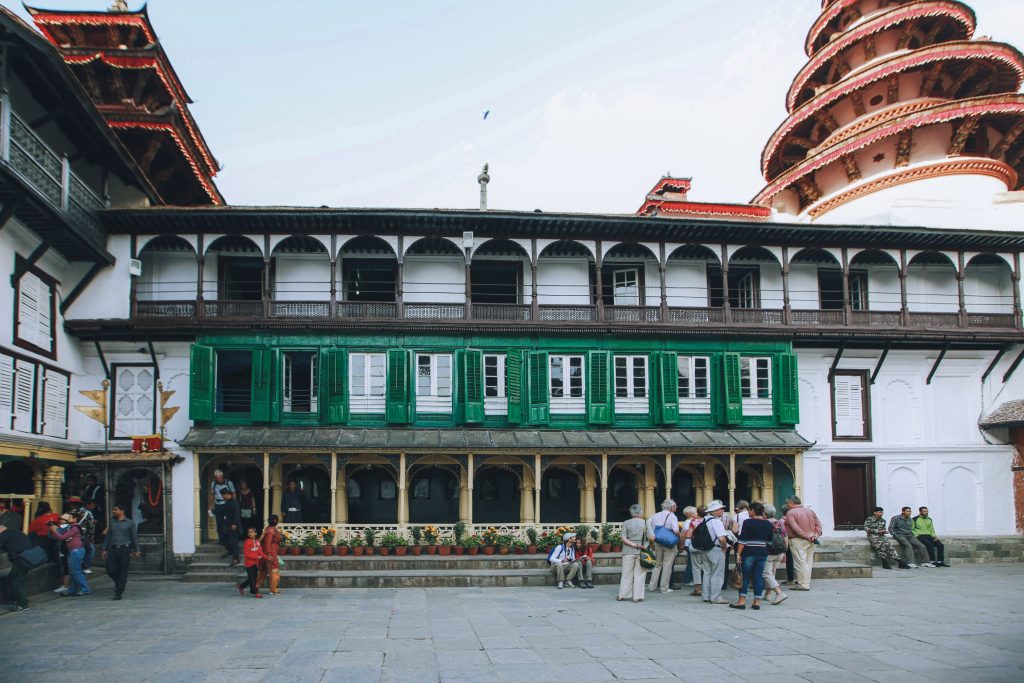
The heart of old Kathmandu is home to Hanuman Dhoka, Nepal’s most famous royal palace. Built during the Malla period and later expanded by the Shah kings, it served as the royal residence until the late 19th century.
Named after the revered Hanuman statue guarding its entrance, the palace is a masterpiece of Newari craftsmanship and one of Nepal’s most treasured historical landmarks.
Major Historical Events
- Served as the royal palace of the Malla kings before the unification of Nepal.
- In 1768, Prithvi Narayan Shah conquered Kathmandu and made Hanuman Dhoka the royal palace of the newly unified kingdom.
- Numerous coronations of Shah kings were held here.
- The palace witnessed major political transitions from the Shah monarchy through the Rana era.
- Sustained significant damage during the 2015 Gorkha Earthquake, followed by ongoing restoration.
Highlights
- Hanuman statue dating back to 1672
- Nasal Chowk ceremonial courtyard
- Tribhuvan Museum
- King Mahendra Memorial Museum
- Taleju Temple (opened annually during Dashain)
- UNESCO World Heritage Site
Best For: History lovers, architecture enthusiasts, photographers
2. Patan Royal Palace (Patan Durbar Square)
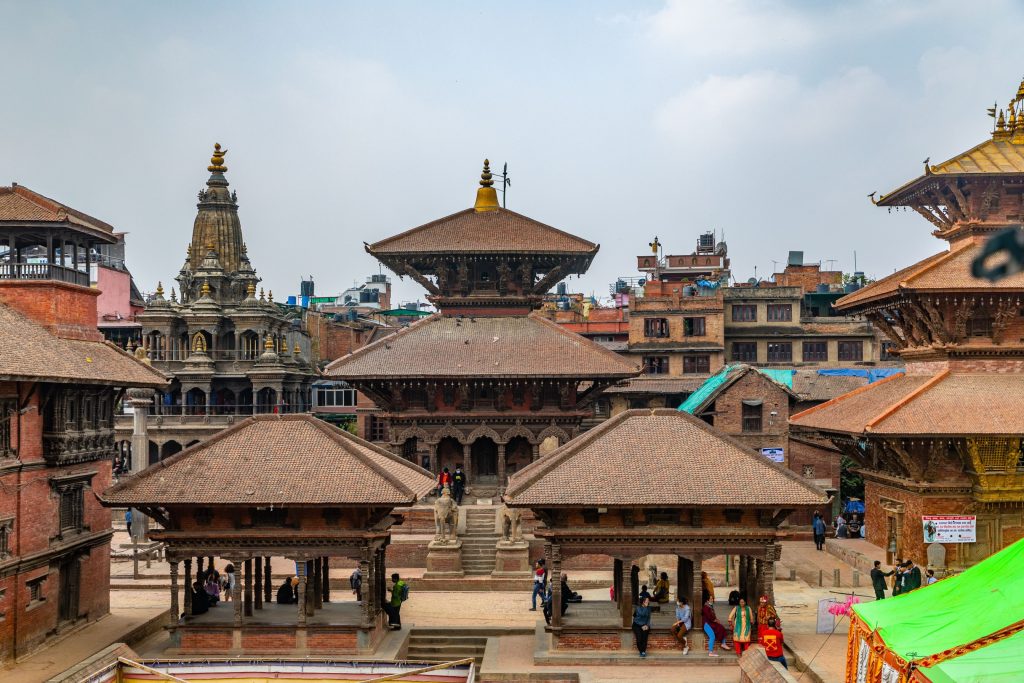
Located in Lalitpur, Patan Royal Palace is considered one of the finest examples of Newari architecture in South Asia. Once home to the Malla kings of Patan, the palace showcases exquisite craftsmanship through beautifully carved windows, brick courtyards, and elegant temples.
Today, this ancient royal palace in Nepal houses the world-renowned Patan Museum, displaying exceptional collections of bronze sculptures, traditional art, and religious artifacts.
Major Historical Events
- Capital of the independent Malla Kingdom of Patan until Nepal’s unification.
- Flourished during the reign of King Siddhi Narasimha Malla, when many temples and palace structures were built.
- Came under Shah rule after the unification campaign in 1768.
- Preserved much of its original Newar architecture despite several earthquakes.
- Restoration after the 2015 earthquake showcased Nepal’s traditional conservation techniques.
Must See
- Patan Museum
- Sundari Chowk
- Mul Chowk
- Royal Bath (Tusha Hiti)
- Krishna Mandir nearby
3. Bhaktapur Royal Palace (Bhaktapur Durbar Square)

Bhaktapur preserves the charm of medieval Nepal better than any other city. This ancient Royal Palace complex features the iconic 55-Window Palace, famous for its elaborately carved wooden windows and elegant brick architecture.
The magnificent Golden Gate is often regarded as Nepal’s finest masterpiece of metal craftsmanship.
Major Historical Events
- Capital of the Malla Kingdom of Bhaktapur for centuries.
- Reached its artistic peak under King Bhupatindra Malla.
- Fell to Prithvi Narayan Shah during the unification of Nepal in 1769.
- Damaged in the 1934 Bihar–Nepal Earthquake and again in 2015, leading to extensive restoration efforts.
Don’t Miss
- Fifty-Five Window Palace
- Golden Gate
- National Art Gallery
- Vatsala Temple
- Nyatapola Temple nearby
4. Gorkha Durbar
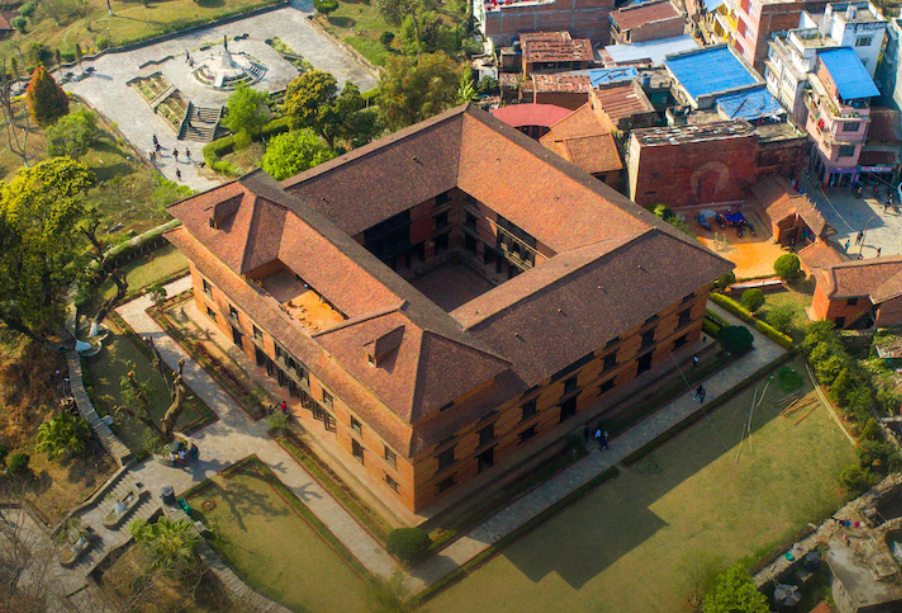
Perched dramatically on a hilltop, Gorkha Durbar is the birthplace of King Prithvi Narayan Shah, the founder of modern Nepal. From here, he launched his campaign to unify the many small kingdoms into one nation.
The palace combines military strength with elegant architecture and rewards visitors with breathtaking views of Manaslu, Ganesh Himal, Annapurna, and surrounding valleys.
Major Historical Events
- Birthplace of King Prithvi Narayan Shah.
- Strategic headquarters for the campaign to unify Nepal.
- Planning center for military expeditions that transformed numerous small kingdoms into one nation.
- Remains one of Nepal’s most significant national heritage monuments.
Highlights
- Historic royal palace
- Gorkha Museum
- Gorakhnath Cave
- Kalika Temple
- Panoramic Himalayan scenery
5. Nuwakot Durbar
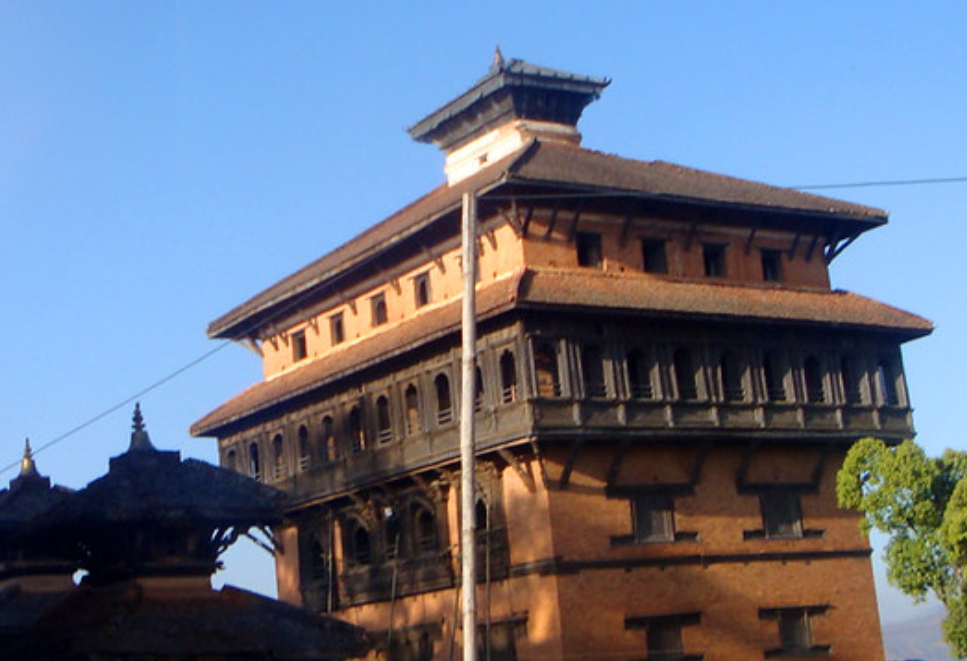
Located northwest of Kathmandu, Nuwakot Durbar was once a strategic fortress controlling trade routes between Kathmandu and Tibet.
The impressive seven-storey palace reflects both military architecture and royal elegance, making it one of Nepal’s most fascinating yet lesser-visited heritage sites.
Major Historical Events
- Captured by Prithvi Narayan Shah in 1744, marking one of his first major military victories.
- Control of Nuwakot secured the important trade route between Kathmandu and Tibet.
- Became a military and administrative headquarters during the unification campaign.
- Symbolized the beginning of Nepal’s expansion into a unified kingdom.
Why Visit?
- Historic Shah dynasty fortress
- Peaceful countryside
- Excellent photography opportunities
- Rich political history
6. Rani Mahal

Rani Mahal (Ranighat Palace), Palpa is one of Nepal’s most romantic and photogenic heritage landmarks. Often called the “Taj Mahal of Nepal,” it was built on the banks of the Kali Gandaki River by General Khadga Shumsher Rana in memory of his beloved wife, Queen Tej Kumari.
Quick Facts
- 📍 Location: Rani Mahal
- 🏛️ Built: 1893 AD
- ❤️ Nickname: The Taj Mahal of Nepal
- 🌊 Setting: On the scenic banks of the Kali Gandaki River
- 📸 Best for: Heritage photography, history lovers, architecture enthusiasts, and nature lovers
Historical Significance
General Khadga Shumsher Rana commissioned Rani Mahal after the death of his wife, Tej Kumari. Inspired by his deep affection for her, he built this elegant palace as a memorial. The palace later experienced years of neglect and damage before undergoing restoration, allowing visitors to appreciate its historical charm once again.
Architectural Highlights
- Elegant neoclassical European-inspired design
- Large arched windows and grand balconies
- Decorative columns and symmetrical façade
- Riverside gardens and peaceful surroundings
- Spectacular backdrop of hills and the Kali Gandaki River
7. Singha Durbar

Constructed by Rana Prime Minister Chandra Shumsher in 1908, Singha Durbar was once considered the largest private palace in Asia.
It served as Nepal’s central government complex. Although public access to the interior is limited, its impressive European-inspired architecture remains a landmark in Kathmandu.
Following the vandalism and arson in 2025, during the “anti-corruption” protests, the palace is undergoing reconstruction.
Major Historical Events
- Built in 1908 by then Prime Minister Chandra Shumsher Jung Bahadur Rana as the largest private residence in Asia at the time.
- Became the seat of the Rana oligarchy.
- Nationalized after the fall of the Rana regime in 1951.
- Today serves as Nepal’s central government administrative complex.
- A devastating fire in 1973 destroyed large portions of the palace before reconstruction.
Highlights
- Neo-Classical architecture
- Historic Rana palace
- Government headquarters
- Beautiful exterior views
8. Basantapur Palace
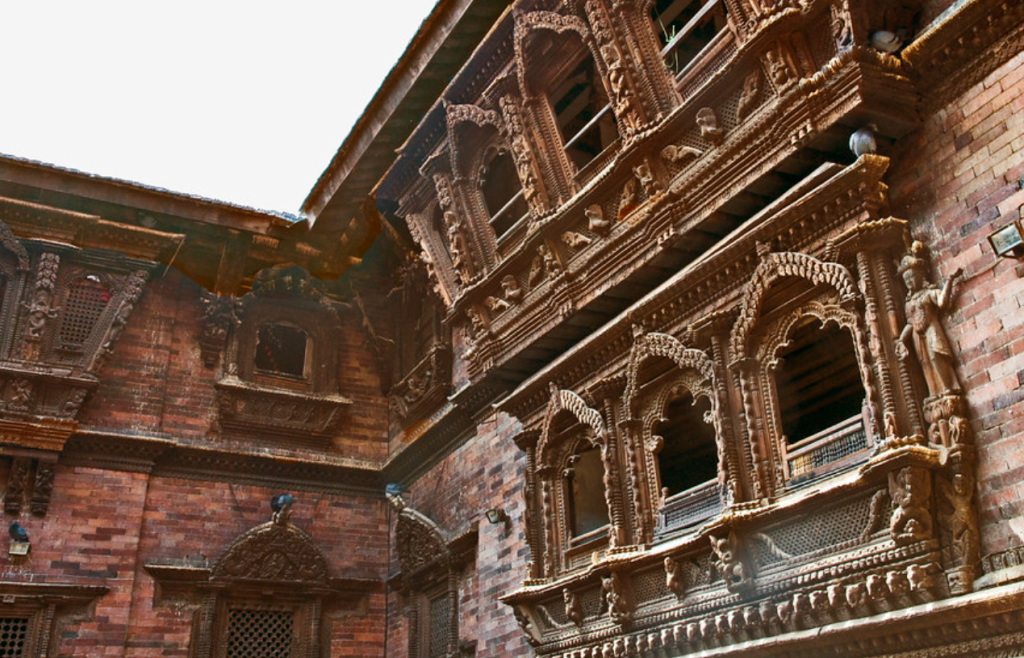
Part of Kathmandu Durbar Square, Basantapur Palace was a favored royal residence during the Shah dynasty. Its elegant multi-tiered roofs and richly decorated interiors once hosted royal ceremonies and state functions.
Nearby attractions include Kumari Ghar, home to Nepal’s Living Goddess.
Major Historical Events
- Formed part of the Hanuman Dhoka Royal Palace complex.
- Expanded by the Malla kings and later used by the Shah monarchs.
- Hosted royal ceremonies and important state occasions.
- Became one of the symbols of Kathmandu’s royal heritage after Nepal’s unification.
- Several sections required restoration after the 2015 earthquake.
9. Kaiser Mahal

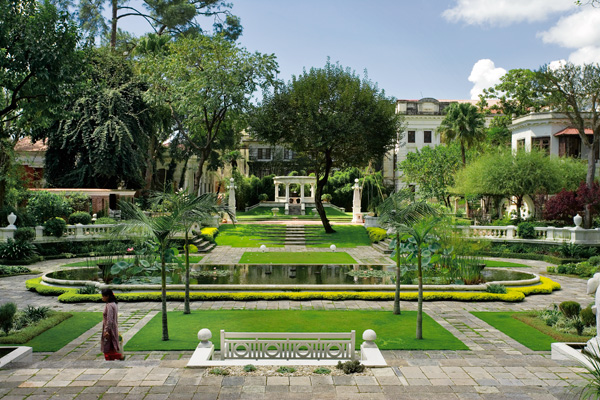
Built by Field Marshal Kaiser Shumsher Rana, Kaiser Mahal showcases an unusual blend of European and Nepali architecture. While much of the palace is not open to visitors, the adjacent Garden of Dreams remains one of Kathmandu’s most peaceful attractions.
It is a perfect stop for travelers seeking history combined with relaxation.
Major Historical Events
- Built by Field Marshal Kaiser Shumsher Rana in the early 20th century.
- Became a renowned cultural and literary center.
- The adjoining Garden of Dreams reflected European garden design introduced during the Rana era.
- Restoration projects revived both the palace surroundings and gardens as major tourist attractions.
10. Lamjung Durbar
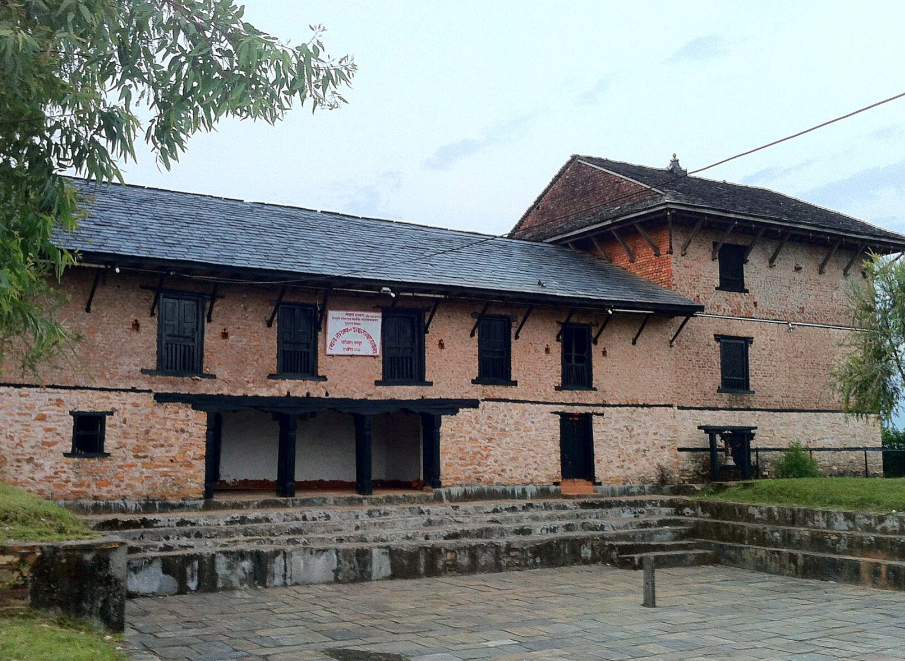
Often overlooked by mainstream tourists, Lamjung Durbar was once an important seat of the Shah dynasty before Nepal’s unification.
Surrounded by lush hills and traditional villages, the palace offers visitors an authentic glimpse into Nepal’s early royal history away from the crowds.
Major Historical Events
- Established as the seat of the Kingdom of Lamjung during the Baise–Chaubise era, when western Nepal was divided into numerous independent kingdoms.
- Governed by a branch of the Shah dynasty, closely related to the rulers of neighboring Gorkha.
- Maintained political alliances and occasional rivalries with nearby kingdoms, particularly Gorkha and Kaski.
- After Prithvi Narayan Shah began the unification campaign in the 18th century, Lamjung was gradually incorporated into the expanding Kingdom of Nepal.
- Following unification, the palace lost its status as a royal residence and became primarily a historical landmark.
- Today, the ruins stand as a reminder of the regional kingdoms that shaped Nepal before it became a unified nation.
Highlights
- Historic fortress
- Scenic hiking route
- Traditional villages
- Mountain panoramas
Ancient Royal Palaces In Nepal – Best Time to Visit
Nepal’s royal palaces can be visited year-round, but the most comfortable seasons are:
- Spring (March–May): Pleasant temperatures, blooming flowers, and ideal sightseeing.
- Autumn (September–November): Clear skies, festivals, and excellent photography.
- Winter (December–February): Cooler weather with fewer crowds.
- Monsoon (June–August): Lush scenery, though occasional rain may affect travel.
Ancient Royal Palaces in Nepal – Travel Tips
- Hire a licensed cultural guide for deeper historical insights.
- Start your sightseeing early to avoid crowds.
- Wear comfortable walking shoes, as palace complexes involve uneven pathways and stairs.
- Respect local customs, especially in palace areas with active temples.
- Carry a camera – the intricate wood carvings and architecture provide outstanding photography opportunities.
Why Explore Ancient Royal Palaces in Nepal?
Nepal’s royal palaces are more than architectural masterpieces, they are living chapters of the nation’s history. From the artistic brilliance of the Malla kings to the unification campaigns of the Shah dynasty and the grandeur of the Rana rulers, these sites offer an enriching journey through centuries of culture, politics, and craftsmanship.
Whether you’re fascinated by history, inspired by architecture, or simply looking to discover a different side of Nepal beyond its mountains, these palaces promise unforgettable experiences.
Frequently Asked Questions
Which is the oldest royal palace in Nepal?
Hanuman Dhoka Palace is among the oldest surviving royal palace complexes and dates back to the Licchavi period, with significant Malla-era expansions.
Which palace is a UNESCO World Heritage Site?
The palace complexes within Kathmandu Durbar Square, Patan Durbar Square, and Bhaktapur Durbar Square are all part of the UNESCO World Heritage listing.
Can I visit all ten palaces in one trip?
Yes. A well-planned itinerary of 7–10 days allows you to visit most of these palaces comfortably.
Which palace is best for photography?
Bhaktapur Royal Palace, Patan Royal Palace, and Gorkha Durbar are particularly popular for their architecture and scenic surroundings.
Are guides available?
Yes. Hiring a licensed guide greatly enhances your understanding of the history, architecture, and cultural significance of each palace.
Why Choose EHT Travel?
At EHT Travel, we specialize in immersive cultural journeys that bring Nepal’s rich heritage to life. Our expertly crafted itineraries combine UNESCO World Heritage Sites, historic royal palaces, sacred temples, and authentic local experiences, all guided by knowledgeable English-speaking professionals.
With comfortable private transportation, carefully selected accommodations, transparent pricing, and over 25 years of experience serving international travelers, we ensure your journey through Nepal’s royal history is seamless, enriching, and memorable.
Hence, step into Nepal’s royal past and uncover the stories of kings, queens, and timeless architecture. Let EHT Travel design a personalized heritage journey that brings Nepal’s magnificent palaces and cultural treasures to life. Contact us today and begin your royal adventure.
Comments
Recent Posts